Removing a tree from your property can be a big decision — and you’re probably wondering how much does tree removal cost in Australia in 2026. On average, typical residential tree removal ranges from $400 to $2,500+, depending on size, location and access. In this guide, you’ll learn how costs are calculated, what factors you should consider, and how to make the smartest choice for your property in Australia.
Why Tree Removal Prices Vary So Much
Tree removal isn’t a one‑price‑fits‑all service. Several factors influence the final cost, including:
1. Tree Size and Height
Larger trees take more time and skill to remove safely. Small trees (under 6m) are cheaper, while tall trees (over 12m) can increase labour and equipment expenses.
2. Location and Access
If the tree is close to buildings, fences or powerlines, it adds complexity. Tight access means more time and possibly specialised gear, which pushes up the price.
3. Tree Health and Lean
A dead or unstable tree is riskier to remove. These situations often need extra safety precautions and insurance considerations, so costs go up.
4. Stump Removal
Some services include stump grinding or removal, while others quote only tree felling. Stump removal can add $150–$600+ depending on size and location.
5. Disposal of Green Waste
Removing timber and branches from site — rather than leaving them — usually costs extra. Ask whether green waste disposal is included or charged separately.
Typical Tree Removal Cost Ranges in Australia
Below is a general guide for 2026 tree removal prices you might expect. These figures reflect current industry standards for urban and suburban settings:
- Small trees (up to 6m): $400–$800
- Medium trees (6m–12m): $800–$1,500
- Large trees (12m–18m): $1,500–$2,500+
- Very large/complex jobs: $2,500–$5,000+
Costs vary by city and region. In high‑demand areas or where specialised equipment is needed, prices can be higher.
Factors That Affect Tree Removal Costs in Detail
Regulations and Permits
In many parts of Australia, councils regulate tree removal, especially for significant or protected species. You may need a permit before removal — particularly if the tree is native, on a heritage property, or in a conservation zone. Permit fees and approval timeframes can affect overall project cost.
Safety and Risk Management
Removing trees near powerlines, roofs or fences dramatically increases risk. Arborists must take extra safety steps, such as using rigging systems, erecting exclusion zones, or employing powered gear like cranes or elevated work platforms. These measures take time and expertise — which will be reflected in the quote.
Seasonal Demand
Spring and early summer often see peak demand for tree work. Prices can slightly increase during busy periods due to higher workload for local arborists.
Transport and Waste Fees
Large timber and green waste may need tipping fees at waste facilities. Some companies include this in their quote; others charge it separately.
How to Get an Accurate Quote
To understand exactly how much tree removal will cost for your property:
- Request an On‑Site Assessment: Photos and phone quotes can help, but an on‑site visit is ideal.
- Ask for Itemised Costs: Clear breakdowns help you compare quotes — labour, equipment, disposal, stump removal, etc.
- Check Licensing and Insurance: Ensure your arborist is qualified and fully insured for public and property liability.
- Clarify Inclusions: What does the quote include? Tree removal only? Stump grinding? Waste removal?
Getting at least two to three quotes helps you understand fair pricing for your location.
Do You Always Need a Professional?
Not always. Simple pruning or small branch removal may be safe to DIY if you have basic tools and experience. However, tree removal is high‑risk work, and many situations should only be tackled by professionals.
Consider calling a qualified arborist if:
- The tree is large or close to structures
- You need stump removal
- You suspect the tree is diseased or unstable
- There are powerlines nearby
DIY removal of large trees without training and safety gear can lead to severe injury or property damage.
When to Call a Professional
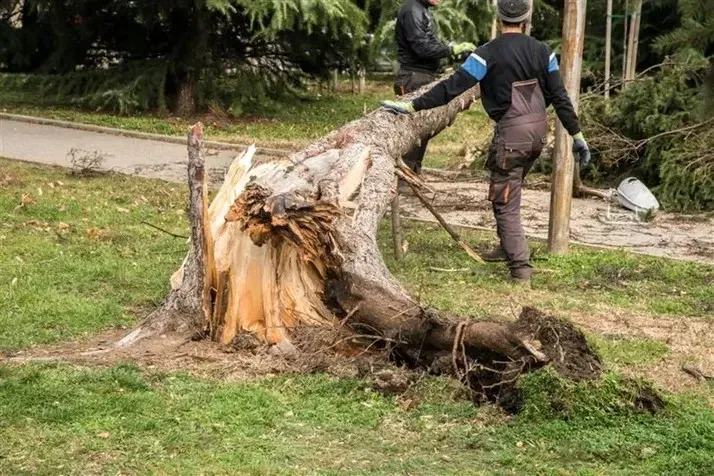
At the first sign you need expert help — whether it’s a leaning tree after heavy storms, a large dead limb over your backyard, or a tree too close to your rooftop — calling a professional arborist ensures safety and compliance.
All Hills Arbor has extensive experience working with Australian homeowners to assess tree condition, guide council permit requirements, and deliver safe, efficient tree removal services. If you’re unsure about risk, pricing or process, get in touch for a detailed quote and peace of mind.
- Licensed and insured arborists
- Transparent quotes with clear pricing
- Safe and compliant tree removal
Taking that step ensures your property, family and neighbours stay protected.
Ways You Can Save on Tree Removal
While safety should never be compromised, there are some ways to manage costs responsibly:
- Schedule work in off‑peak seasons: Autumn and winter can be less busy.
- Combine services: If you also need pruning or mulching, ask for a package quote.
- Ask about wood reuse: Some companies can leave cut timber onsite for firewood (reducing disposal costs).
Always balance cost with safety and quality. Cheaper isn’t better if it means unsafe or unlicensed work.
Conclusion
So how much does tree removal cost in Australia in 2026? Most small to medium trees fall in the $400–$1,500 range, while larger or complex removals can exceed $2,500. Prices depend on tree size, location, safety risks, stump removal and waste disposal.
Before booking any work, get a clear on‑site quote, understand exactly what’s included, and don’t hesitate to ask questions. If your situation involves big trees, limited access or safety hazards, calling a professional like All Hills Arbor is the safest way to go.
Your tree removal project doesn’t have to be stressful — with the right information and a transparent quote, you’ll know exactly what to expect.
Frequently Asked Questions
1. Is tree removal covered by homeowner insurance in Australia?
It depends on your policy and cause of removal. Damage caused by storms may be covered, but proactive removal usually isn’t. Check with your insurer for specific terms.
2. What’s the difference between tree removal and tree trimming?
Tree trimming is cutting branches to shape or reduce size. Tree removal is removing the entire tree from ground level.
3. Do I need council approval to remove a tree?
In many areas, yes — especially for native or protected species. Always check local council regulations before work begins.
4. Can I leave the wood on my property?
Some arborists can leave cut wood for firewood if you request it. Confirm this when getting your quote.