If you’ve ever wondered what does an arborist do, this guide breaks it down in clear Australian terms so you understand exactly how these tree professionals help keep your property safe and your trees thriving. From pruning and removals to health assessments and risk management, arborists play a vital role in managing trees across Australian homes and landscapes.
In Australia, a qualified arborist does much more than trim branches — they combine knowledge, skill and safety protocols to care for trees of all sizes.
What Is an Arborist?
An arborist is a trained and experienced professional specialising in the care, maintenance and management of trees. Unlike a gardener who trims shrubs and lawns, an arborist understands tree biology, structural safety, pests, diseases, and how trees interact with their surroundings.
In Australia’s diverse environments — from dry inland suburbs to coastal wind zones — arborists ensure trees are healthy, not hazardous, and compliant with local council requirements.
Core Tree Services an Arborist Provides
Arborists offer a wide range of services beyond basic branch trimming. These services are essential for both aesthetics and safety.
1. Tree Pruning and Trimming
Pruning involves selectively removing branches to:
- Encourage healthy growth
- Improve tree structure
- Clear limbs away from roofs, powerlines or structures
- Enhance light and airflow through the canopy
Proper pruning requires skill — incorrect cuts can damage a tree or create weak regrowth.
2. Tree Health Assessment
Arborists assess tree health using specialised knowledge of pests, diseases, nutrient requirements and environmental stressors. During an assessment they inspect:
- Root health and soil condition
- Signs of disease or decay
- Structural faults or weak limbs
- Canopy density and vigour
These insights help determine whether a tree needs care, monitoring, or removal.
3. Tree Removal
Tree removal is complex, high‑risk work. Arborists remove trees that are:
- Dead or dying
- Leaning dangerously
- Too close to structures
- Damaged after storms or high winds
Removing a tree safely involves rigging, cutting sections in a controlled way, and managing debris removal.
4. Stump Grinding and Removal
After a tree is felled, the remaining stump can be an eyesore or trip hazard. Arborists use specialised equipment to grind or remove stumps efficiently, making way for landscaping or rebuilding.
5. Emergency Tree Work
Storms, cyclones and sudden limb failure can create dangerous situations. Arborists provide emergency response to:
- Make sites safe
- Remove fallen or unstable trees
- Prevent further damage to property
Quick, safe action after an emergency minimises risk to people and assets.
6. Risk and Safety Assessments
Safety is a key part of an arborist’s job. Arborists assess potential hazards, such as:
- Trees with weak branch unions
- Trees influenced by pests or disease
- Trees near structures, boundary fences or utility lines
Their assessments help homeowners make informed decisions about tree care and risk mitigation.
How Arborists Diagnose Tree Problems
Knowing what does an arborist do also includes understanding how they evaluate tree wellbeing. Arborists look beyond what’s visible.
Signs of Poor Tree Health
Arborists watch for:
- Dead or dropping branches
- Discoloured or wilting foliage
- Fungal growth at the base of the trunk
- Cracks, cavities or rot in wood
- Root upheaval near paved areas
These signs can indicate disease, stress or structural weakness.
Tools and Techniques Used
Arborists use specialised tools like:
- Increment borers for internal wood sampling
- Soil probes for assessing moisture and nutrients
- Binoculars and cameras for crown inspection
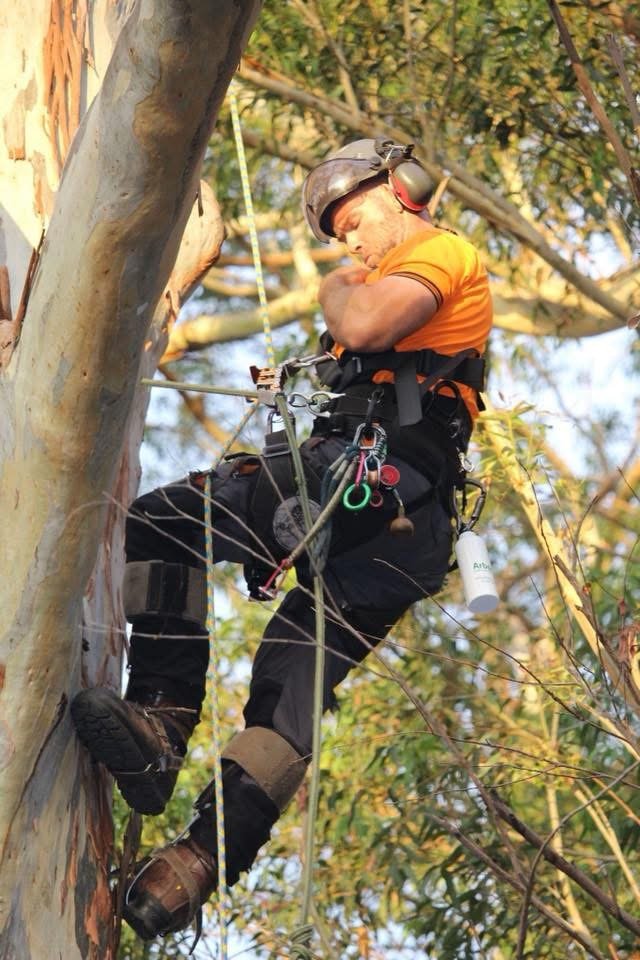
- Safety ropes, harnesses and elevating platforms
Each tool helps them assess and treat trees safely and accurately.
Why You Might Need an Arborist
You don’t need an arborist every time you trim a branch — but there are specific situations where their expertise is invaluable.
Trees Causing Safety Concerns
If a tree is near:
- Your roof
- Powerlines
- Decks, patios or sheds
… an arborist will know how to manage risk safely.
Trees Declining in Health
When a tree looks unhealthy or its growth has changed rapidly, arborists can diagnose the cause and recommend treatment.
Large or Difficult Trees
Large trees require skill, planning, and safety gear. Removing or caring for them yourself isn’t recommended — it’s dangerous and can void insurance.
Before Landscaping or Construction
If you’re building or renovating near trees, consult an arborist first. They can advise on protecting valuable trees and ensuring compliance with council regulations.
Regulations and Compliance in Australia
Part of knowing what does an arborist do means understanding local rules. In many Australian states and councils, certain trees are protected or require permits before removal or significant pruning.
An arborist helps you navigate:
- Council approval processes
- Tree protection orders
- Environmental guidelines
This expertise protects both the tree and you from fines or legal issues.
How an Arborist Keeps You and Your Property Safe
Arborists don’t just cut trees — they manage risk. Their training includes:
- Understanding tree mechanics
- Using rigging to control falling branches
- Setting exclusion zones during work
- Wearing and using safety gear
This ensures work is conducted efficiently without endangering people or property.
How to Choose the Right Arborist
Choosing a qualified arborist matters. Look for:
- Proper qualifications (e.g., Diploma of Arboriculture)
- Insurance for public liability and workers’ compensation
- Professional associations such as the Arboriculture Australia accreditation
- Clear, itemised quotes
A reputable arborist — like All Hills Arbor — will assess your situation, explain your options clearly, and provide a safe, transparent service.
When to Call a Professional
If you’re unsure what does an arborist do for your trees, consider contacting a professional when:
- You see significant limb drop or canopy dieback
- There’s structural instability after storms
- Trees are obstructing access or utilities
- You need council approval for major work
All Hills Arbor offers expert tree assessments, pruning, removals and ongoing maintenance across Australian suburbs. Their team prioritises safety, clear pricing and long‑term tree health.
Reach out to discuss your trees and get a tailored, transparent quote.
DIY vs Professional Tree Care
Some tasks like light pruning may be safe to DIY with the right tools and knowledge. But arborists bring:
- Safety expertise
- Structural understanding
- Risk assessment skills
- Compliance support
Working with an arborist reduces the chance of damage, injury or costly mistakes.
Benefits of Regular Arborist Care
Regular tree care by an arborist can:
- Improve tree health and longevity
- Enhance property appearance
- Prevent safety hazards before they become serious
- Support compliance with local council rules
These advantages help protect both your investment and your neighbourhood environment.
Conclusion
So, what does an arborist do? An arborist is a trained specialist who looks after every aspect of a tree’s life — from health assessments and pruning to removals and risk management. They balance safety, biology and practical knowledge to keep your property and trees in great shape.
If you have large trees, safety concerns, or need expert advice, contact All Hills Arbor for professional support you can trust in Australia.
FAQ — Quick Answers to Common Questions
1. What qualifications should an arborist have in Australia?
Look for formal training in arboriculture and professional memberships, such as certifications from Arboriculture Australia.
2. Is an arborist the same as a tree surgeon?
The terms are often used interchangeably, but “arborist” emphasises scientific tree care whereas “tree surgeon” can be more general.
3. How often should a tree be assessed by an arborist?
Healthy trees typically benefit from annual check‑ups; risk or fast growth areas may require more frequent assessments.
4. Can an arborist treat tree disease?
Yes — they diagnose issues and may recommend treatments, soil management or targeted pruning to support recovery.