Baulkham Hills is famous for its leafy streets and gardens, but even the healthiest-looking gums can hide problems. A carefree weekend barbeque under a shady tree can turn risky if that tree is leaning, cracking, or harboring decay. The good news is you don’t have to guess. A professional tree inspection – basically a check-up by a certified arborist – can spot trouble before it’s too late. In fact, authorities like NSW National Parks warn that “regular tree inspections are an important risk management tool”. In other words, routine tree health checks keep people safe and landscapes green. Read on for 7 clear warning signs that you should call All Hills Arbor for a thorough tree inspection of your property.
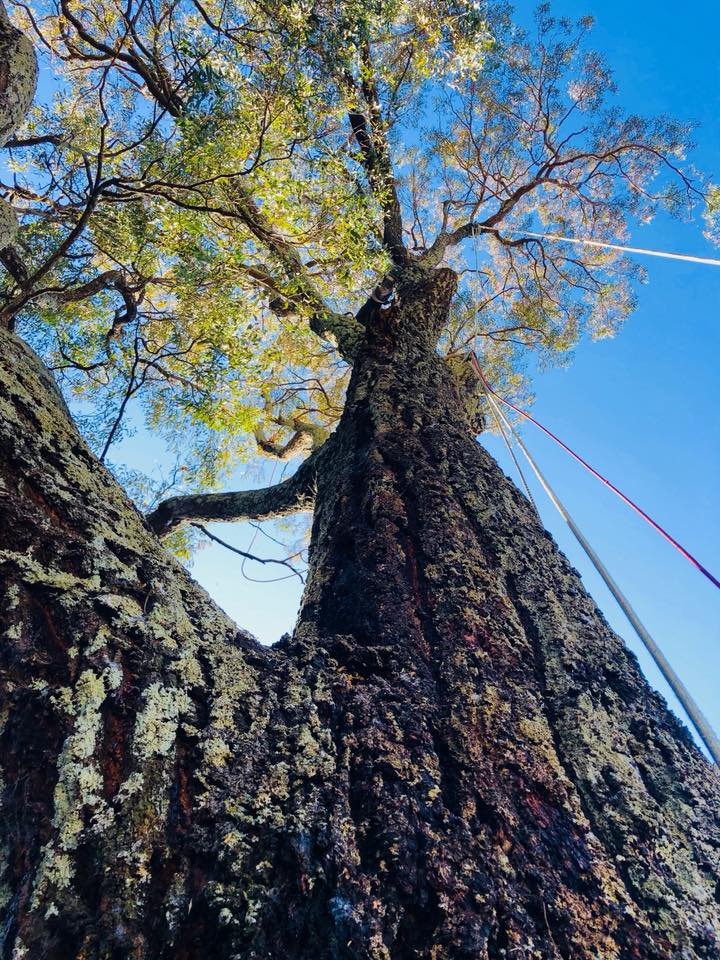
Even a big, beautiful tree in a local park can hide dangers. A certified arborist can spot subtle clues – like cracks or rot – to protect you and your home. Image: lush campus trees (Arbor Day Foundation)
1. Dead or Hanging Branches
One of the most obvious warning signs is dead, brittle branches. If you notice limbs without leaves or dried-out twigs drooping ominously, take notice. As one arborist notes, “Dead branches are the most common sign of a problem. They are also the most dangerous because they can fall at any time”. In our windy Sydney storms, even a small dead branch can become a missile. Think of it like seeing cracks in the ceiling – you wouldn’t ignore that, and you shouldn’t ignore big “widow-maker” branches overhead. You and your family should steer clear of areas under these branches. A certified arborist during a tree inspection will look for deadwood and advise removal or pruning. Sometimes the fix is as simple as removing one branch; other times it means taking down a bigger hazard.
In short: if you see any hangers-on that look dry, brittle or gray, call in the experts. It might feel a bit dramatic, but it’s better than an unexpected limb crashing down on your car or backyard barbecue.
2. A Leaning or Tilting Tree
Trees do lean sometimes, and a gentle tilt can be normal for some species. But if a tree that used to stand straight suddenly angles more, that’s a red flag. You might notice the lean has worsened after heavy rain or wind. Look at the base: if the soil is cracked or bulging on one side, or if roots are lifting out of the ground, the tree might be tipping out of its root grip. This often means the root system is failing. In fact, one arborist warns: “A new or worsening lean is serious… if you see cracked or heaving soil around the base, the tree could come down soon”.
It’s like seeing a chair wobble more each day – eventually it will topple. If your tree is leaning toward a target (house, driveway, power lines), don’t change it. Keep kids and pets away from the lean side and call for a professional tree inspection ASAP. A certified arborist can perform a tree stability assessment and recommend measures (like staking or removal) to avoid collapse. Remember, leaning trees often have root damage or decay at the base, so don’t just stand back and hope it rights itself.
3. Cracks, Splits, and Cavities in the Trunk
Check your tree’s trunk for any visible damage. Large cracks (especially vertical ones running up the bark), splits where the trunk forks, or big holes and cavities are serious warning signs. These issues mean the tree’s main support is compromised. For example, a deep crack where two big limbs diverge (a co-dominant stem) can put the whole tree at risk of failure. Some things to watch for include:
- Vertical cracks along the trunk, which may indicate internal decay or structural weakness.
- Deep splits or cracks at branch junctions (co-dominant forks) – these often lead to breakage.
- Cavities, hollows, or large openings in the trunk. Some age-related hollowing is normal, but large or expanding holes reduce strength.
- Falling or peeling bark in large sections, revealing soft or crumbly wood underneath.
Many healthy trees can survive minor cracks, but together with other signs (like leaning or rot), they become dangerous. A certified arborist will do a thorough Tree Structural Assessment to determine if the wood left is enough to hold the tree up. As one arbor-care expert puts it: “Not every crack means the tree is about to fall. But cracks at a fork, or cracks combined with a lean, are high-risk signs”. In practice, this means it’s time for a Tree Risk Assessment. The arborist will often use a mallet or probe to check how deep the weakness runs, and may recommend bracing or removal. It’s better to catch these issues early when they’re fixable.
4. Fungal Growth and Unusual Mushrooms
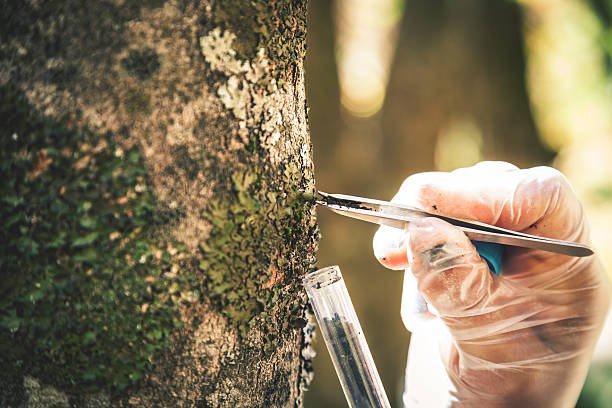
Ever spotted mushrooms, bracket fungi, or odd bulges at the base or on the trunk of a tree? These are classic signs of internal decay. Fungi digest dead wood – so if a fungus is fruiting on your tree, something inside the trunk is rotting. For instance, shelf-like fungi (conks) on a trunk or mushrooms at the base are not just a forest floor whimsy; they signal structural decline. An arborist explains that “fungi on a tree are a visible sign of internal decay… the mushrooms you see on the outside are the fruiting bodies of fungi that are breaking down the wood inside”.
If you spot any fungus, imagine it as a smoke signal: something is burning (decaying) inside. These critters don’t attack healthy wood; they feast where the defenses are down. A tree inspection will identify the fungus type and extent. Some fungi are aggressive (like those causing rot at the root flare), meaning the tree could fall at ground level. Other fungi might be managed by pruning affected limbs and monitoring. In any case, a Tree Disease Diagnosis by our certified arborist can tell you whether the tree can be saved or should come down. Don’t rub off mushrooms with a stick and pretend nothing’s wrong – these warning signs need professional eyes.
5. Soil Heaving, Root Damage, or Shallow Roots
Often problems start where you least see them: underground. Pay attention to the ground at the trunk’s base and out to the drip line. Key signs include soil heaving (lifting up like the earth is pushing outwards in a circle around the tree), large cracks in the earth near roots, or exposed/truncated roots from construction or tree guards. These are clues that roots are struggling. A resilient tree anchors deep, but disturbances can sever roots or suffocate them under compacted soil.
What to watch for: soil cracking or bulging around the base, exposed roots, or seeing the tree wobble even in a gentle breeze. Sometimes you might notice the tree dropping more branches or leaning after you’ve built a driveway or had big earthworks near the root zone. The simple fact is: roots damage = instability. It’s like standing on a pedestal that’s slowly crumbling. A qualified Tree Stability Assessment will involve checking the root plate.
- For example, did you do recent landscaping near the tree? If the tree’s form sags or limbs die back afterwards, assume root damage.
- Or, if mulch volcanoes or roots wrapped in plastic, water might be pooling and rotting them.
Our certified arborists conduct a detailed Tree Health Assessment from top to toe – and that includes the roots. They may gently probe under the soil or use ground-penetrating radar to see how far the root problems go. If critical roots are lost, the recommendation might lean toward removal to avoid sudden collapse.
6. Crown Dieback or Unusual Thinning Foliage
Healthy trees keep most of their leaves through summer. If you notice your tree’s canopy thinning out (fewer leaves) or entire branch tips dying back, this could indicate stress or disease. Perhaps only the topmost branches are leafy, or some sections look leafless and brown in spring. Sudden dieback, especially after droughts or heatwaves, is a warning that the tree isn’t feeding its extremities properly.
Unlike normal seasonal leaf drop, permanent dieback often appears uneven or twiggy. This might be caused by disease, root issues, or severe stress. An analogy: it’s like a person’s hair falling out in patches after illness. If left unchecked, the tree could become brittle. A Tree Condition Assessment evaluates overall vitality – and dieback is a red flag. During an inspection, a certified arborist may check for pests or disease in the foliage and trunk. For example, borers or canker diseases often manifest as dieback. We’ll also check if the watering and soil conditions are adequate. Sometimes supplemental watering or treatment can recover the tree; other times, it’s too far gone and poses a hazard.
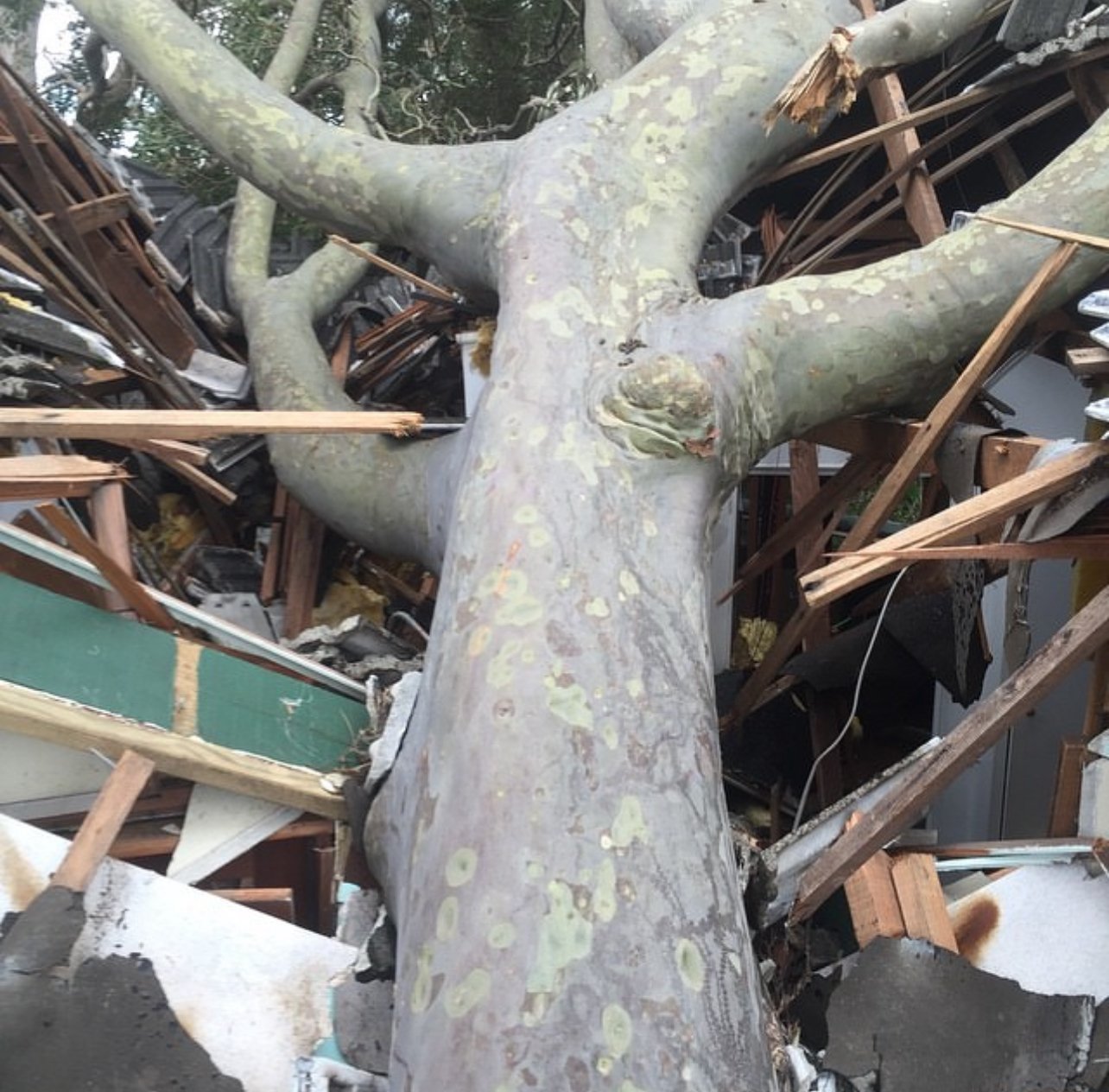
7. After Storm Damage or Lightning Strikes
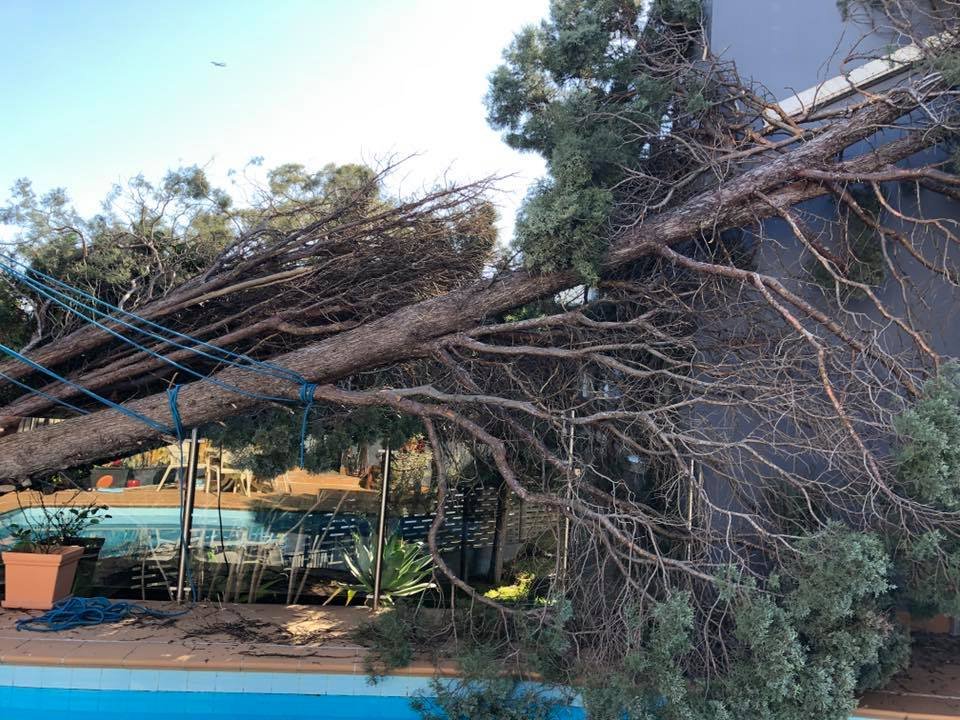
Sydney’s weather can be wild, and Baulkham Hills isn’t immune to hail, wind, or even the occasional mini-tornado. If your tree has taken a hit – maybe large branches broke in last year’s storm, the trunk got a big crack from lightning, or the canopy was ripped – it’s smart to have a tree safety inspection. Even if the tree looks mostly intact, storms can cause hidden structural damage. For instance, a tree might appear fine but could have internal splits or loosened roots you can’t see.
In plain terms: if you’ve had a big storm (or a series of heavy rains) in the past year, it’s a good idea to have a professional look. A Certified Arborist will assess recent damage in a Tree Risk Assessment, checking for weaknesses like torn bark or large wounds. You might not get a visible split, but the wood fibers could be compromised. Even minor damage can let in pests or fungus, weakening the tree over time. As the Arbor Day Foundation warns, we must “balance safety with the value that trees provide,” which often means taking a measured approach instead of reactionary removals. With All Hills Arbor’s inspection, we can decide if the tree needs pruning to remove damaged limbs, supports to reinforce cracks, or careful monitoring for regrowth.
In short, don’t wait for the next storm to find out. Be proactive. If your tree shows any storm-scars – like a bent trunk, ripped branches, or even just lost bark – ring us for a quick check. It’s far better than risking a branch (or tree) coming down unexpectedly.
What Happens During a Tree Inspection? A certified arborist will evaluate all the signs above (and more). Think of it as a health check-up: we look at the trunk, branches, leaves, roots, and even the tree’s history (like known diseases or past storms) to judge safety and vitality. We might perform a Tree Structural Assessment by tapping the wood or drilling a small core to see how rotten it is inside. We’ll also review environmental factors: proximity to buildings, fences or powerlines, and even local regulations. For example, Hills Shire Council requires permits for removing significant trees. In fact, NSW guidelines remind us that changes to soil or unauthorized lopping can carry big fines. A thorough Tree Risk Assessment helps property owners make informed decisions (sometimes removal, often just monitoring or pruning) before small problems become disasters.
Commercially, as well as residentially, a hazard tree inspection can protect everyone. SafeWork Australia emphasizes that before ANY tree work, “the integrity of a tree is critical to the safety… a visual tree assessment should be carried out by a competent person”. That’s exactly what our certified arborists provide: professional expertise and compliance with national standards.
For example, even if your tree looks fine, you might hear “crack!” in a storm. That’s terrifying in real time, but if an arborist had already identified and fixed any hidden split, you’d be prepared. Certified arborists use terms like tree defect inspection or hazardous tree inspection for these routine checks. We may suggest a tree stability assessment to see how a windy day might sway your tree, or a tree disease diagnosis if brown spots appear on leaves. All these are part of a comprehensive inspection that saves lives and keeps your greenery intact.
Conclusion
To sum up, don’t ignore these warning signs on your Baulkham Hills property: dead or hanging branches, a tree that’s suddenly leaning, cracks or cavities in the trunk, mushrooms growing on the bark, unstable soil or exposed roots, thinning canopy, or storm damage. These are red flags that you need a professional tree inspection. Acting on them can save your home and family from surprise accidents, while still preserving the benefits of those majestic trees in your yard. Remember, All Hills Arbor is here to help; we’re a team of certified arborists experienced in local tree species and conditions. We’ll give your trees a clean bill of health or advice on fixes, with full transparency and care for regulations (like The Hills Council’s tree permit rules).
Still have questions about tree inspections? We’ve got answers. Our certified arborists have handled hundreds of hazard assessments across New South Wales and know exactly what to look for. Keep in mind that safety inspections aren’t just bureaucracy – they’re about protecting people, property and the very trees you love.
Call to Action
Have concerns about a tree in your yard? Don’t wait until it’s too late. Contact All Hills Arbor today for a thorough tree inspection in Baulkham Hills. We’ll send out a qualified certified arborist to assess your tree’s condition and advise on any Tree Risk or Tree Health Assessments needed. Whether it’s a quick check or a full structural analysis, we tailor solutions to your property and wallet. Keep your family safe and your trees healthy – give us a call or visit our website to book an inspection now.
FAQs
1. When should I book a Tree Inspection?
Book a Tree Inspection if you notice dead branches, cracks, leaning, or after storms. A regular Tree Inspection every 2–3 years helps identify safety issues early, while older or high-risk trees may need annual inspections by a Certified Arborist.
2. What happens during a Tree Inspection?
A professional Tree Inspection includes checking the trunk, branches, canopy, and roots for defects, decay, and disease. A Certified Arborist also performs a Tree Health Assessment and Tree Risk Assessment before recommending pruning, treatment, or ongoing monitoring.
3. Why should I hire a Certified Arborist for a Tree Inspection?
A Certified Arborist has the expertise to spot hidden structural problems, diseases, and safety risks that are easy to miss. A professional Tree Inspection also ensures recommendations meet Australian standards and local council requirements.
4. How can I tell if my tree is hazardous?
A tree may need an urgent Tree Inspection if it has large cracks, dead limbs, root damage, fungal growth, or a noticeable lean. A professional Hazardous Tree Inspection and Tree Structural Assessment determine the level of risk and the safest solution.
5. Can I inspect my own tree before calling an arborist?
You can look for visible signs such as dead branches, leaning, or fungal growth, but a visual check cannot detect hidden decay. A professional Tree Inspection by a Certified Arborist provides a complete Tree Condition Assessment and helps prevent costly or dangerous failures.