If you are deciding whether to remove a tree or prune it, the right choice depends on the tree’s health, location, structure and safety risks. Healthy trees often benefit from professional pruning, while damaged, diseased or hazardous trees may require removal to protect your property and family.
Trees add value, shade and character to Australian properties, but they also need proper care to remain safe. Understanding the difference between pruning and removal helps you make a practical decision before problems become more expensive.
Understanding When to Remove a Tree or Prune It
Many homeowners are unsure whether a tree problem can be fixed with pruning or whether the entire tree needs to come down. The answer usually depends on the condition of the tree and the level of risk it creates.
Tree pruning focuses on removing selected branches to improve structure, reduce hazards and support healthier growth. Tree removal involves taking down the entire tree when it cannot be safely retained.
Before making a decision, consider these factors:
- The overall health of the tree
- The amount of dead or damaged branches
- Signs of disease or decay
- The tree’s position near buildings, powerlines or driveways
- Whether the roots are causing structural problems
- Local council requirements for tree removal
A qualified arborist can assess the tree and provide advice based on its condition rather than simply removing it as the first option.
Signs Your Tree May Only Need Professional Pruning
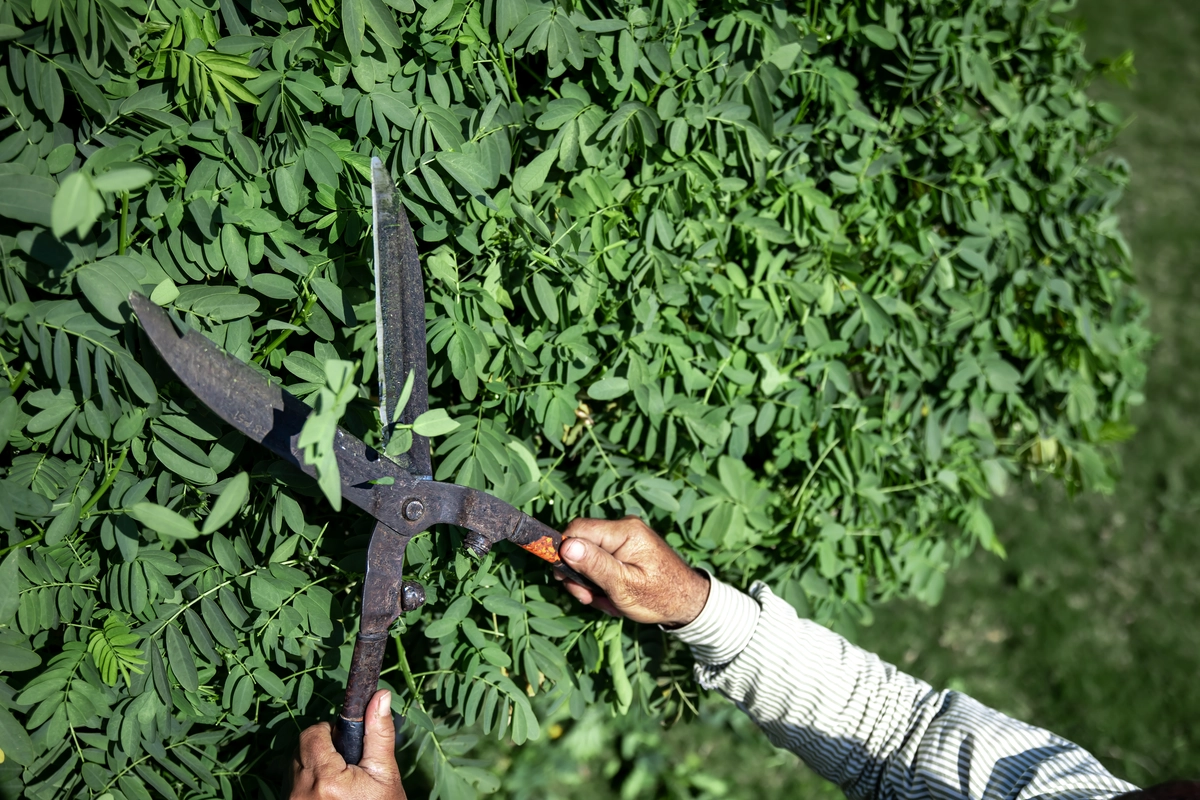
Pruning is often the best option when the tree is healthy but requires maintenance. Regular pruning can improve branch structure and reduce the chance of future issues.
Common situations where pruning may help include:
- Overgrown branches blocking sunlight
- Branches rubbing against each other
- Dead or weak limbs creating minor hazards
- Excessive growth around pathways or outdoor areas
- Improving the shape and balance of the tree
Correct pruning techniques matter because removing too much foliage or cutting branches incorrectly can damage the tree. Australian tree care professionals follow recognised arboricultural practices to avoid unnecessary stress on trees.
For many residential properties, planned pruning is a cost-effective way to maintain mature trees while keeping outdoor spaces safer.
When Tree Removal May Be the Safer Option
There are situations where pruning cannot solve the underlying issue. A tree that has severe structural damage, extensive decay or major root problems may become unsafe.
You may need to consider removal when:
- The trunk has significant cracks, cavities or decay.
- Large branches are dead and pose a falling risk.
- The tree is leaning towards a building or frequently used area.
- Storm damage has affected the tree’s stability.
- The roots are damaging structures or creating safety concerns.
Removing a tree is not always the first choice, but there are times when keeping a dangerous tree creates a greater risk for your property.
ALL HILLS DISTRICT TREE SERVICES PTY. LTD helps property owners assess tree conditions and determine whether pruning, maintenance or removal is the most suitable solution.
How Location Affects Your Tree Care Decision
The location of a tree plays a major role in deciding the correct approach. A healthy tree growing in an open area may only need occasional maintenance, while a damaged tree near a home requires more careful assessment.
Trees located close to:
- Roofs and gutters
- Driveways
- Retaining walls
- Swimming pools
- Electrical infrastructure
may require more frequent inspections and management.
Australian properties experience different weather conditions throughout the year, including strong winds, heavy rainfall and storms. Proper tree maintenance reduces potential hazards and helps protect surrounding structures.
Why Professional Assessment Matters Before Tree Work
Tree work involves more than cutting branches. Arborists consider tree species, growth patterns, branch weight, surrounding structures and safety risks before recommending a solution.
A professional assessment can help you avoid unnecessary removal and identify problems early. It can also ensure work is completed safely, especially when trees are large or located near obstacles.
Tree work in Australia may also need to follow local council rules. Some councils protect certain tree species or require approval before removal. Checking regulations before starting work can help prevent compliance issues.
Benefits of Maintaining Healthy Trees Through Pruning
Regular tree maintenance provides several practical benefits for homeowners. Proper pruning can:
- Reduce dangerous deadwood
- Improve tree structure
- Maintain clearance from buildings
- Support healthier growth
- Improve the appearance of your property
Pruning should always be based on the tree’s needs rather than removing branches unnecessarily. Trees that are maintained correctly can continue providing shade, privacy and environmental benefits for many years.
Common Mistakes Homeowners Make With Tree Decisions
One common mistake is waiting until a tree becomes an obvious hazard before arranging an inspection. Small warning signs, such as dead branches or unusual leaning, can indicate larger issues.
Another mistake is attempting major pruning without the correct equipment or knowledge. Large branches can be unpredictable and may damage property or cause injury if handled incorrectly.
Simple maintenance, such as removing small fallen branches and keeping an eye on changes, can help. However, larger concerns should be assessed by a trained professional.
When to Call a Professional
If you are unsure whether to remove a tree or prune it, getting expert advice can help you make the safest decision for your property. Professional tree specialists can inspect the tree, identify risks and explain the available options.
ALL HILLS DISTRICT TREE SERVICES PTY. LTD provides tree removal, tree pruning and tree care solutions for Australian properties. Contact the team for professional advice and a suitable approach for your tree needs.
Conclusion
Choosing between pruning and removal depends on the tree’s health, safety risks and location. Healthy trees often benefit from careful pruning, while damaged or dangerous trees may require removal.
Regular inspections and professional guidance can help protect your property while keeping valuable trees where possible. If you need help deciding the right option, contact ALL HILLS DISTRICT TREE SERVICES PTY. LTD for reliable tree care support across Australia.
Frequently Asked Questions
Should I remove a tree or prune it if it has dead branches?
Dead branches do not always mean a tree needs removal. Professional pruning can often remove hazardous limbs and improve safety if the tree remains healthy.
How often should trees be pruned?
The ideal pruning schedule depends on the tree species, age, location and condition. Many residential trees benefit from inspections every few years.
Can I remove a tree without checking council rules?
Some Australian councils have tree protection rules that may require approval before removal. Always check local requirements before removing a protected tree.
Is tree removal always better than pruning for unsafe trees?
Not always. Some unsafe conditions can be managed through pruning or maintenance, while severe structural problems may require complete removal. An assessment helps determine the safest option.