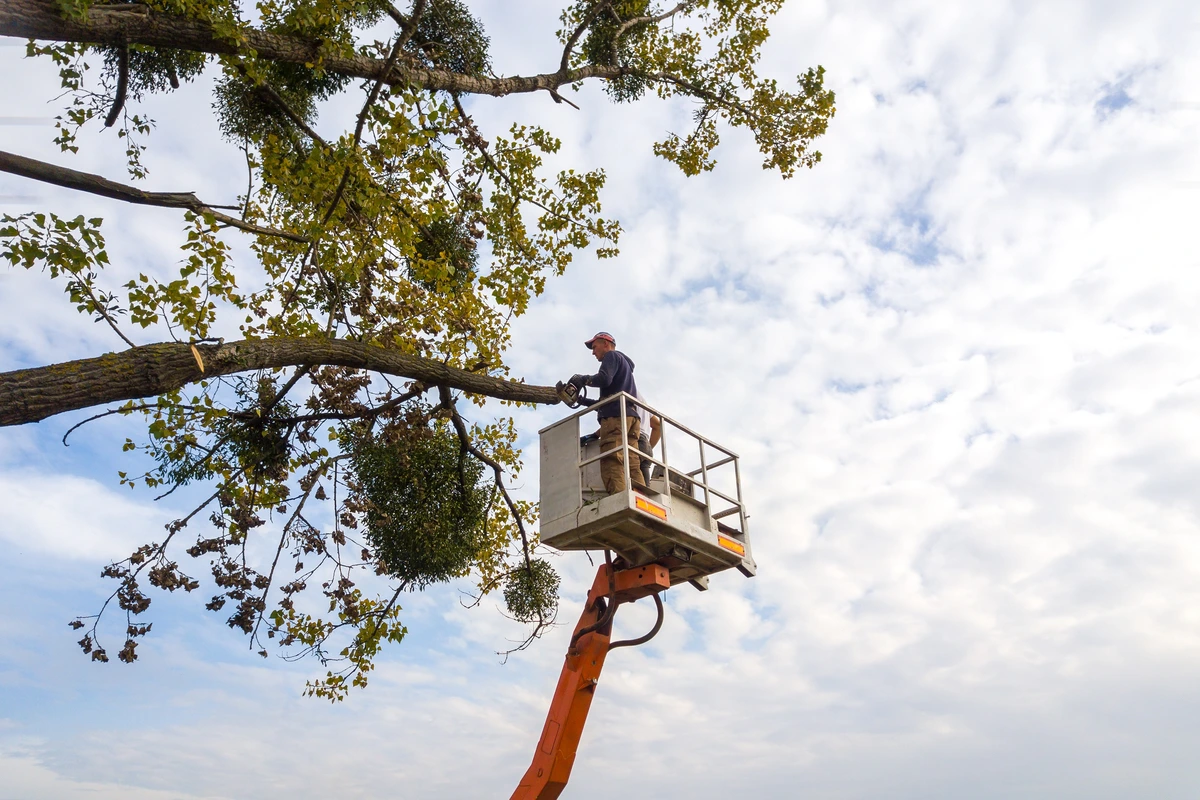
You can know if a tree is unsafe by checking for warning signs such as visible cracks, dead branches, leaning trunks, root damage and signs of decay. Early identification helps reduce risks to your property, family and surrounding areas.
Trees are an important part of many Australian properties, providing shade, privacy and natural beauty. However, trees can become hazardous when they suffer damage, disease or structural problems. Regular inspections and proper maintenance help identify issues before they become serious.
How Do I Know If a Tree Is Unsafe Before It Becomes Dangerous?
Many tree problems develop slowly and may not be obvious until significant damage has occurred. A tree that appears healthy from a distance may still have internal decay, weak branches or unstable roots.
Homeowners should regularly inspect trees around their property and look for changes in appearance or structure. While some warning signs are easy to spot, others require professional assessment using industry knowledge and experience.
Common signs that a tree may need attention include:
- Large dead branches or falling limbs
- Cracks in the trunk or major branches
- Visible decay, holes or cavities
- Sudden changes in leaf growth
- Exposed or damaged roots
- A noticeable lean developing over time
If you notice any of these issues, arranging an inspection can help determine whether pruning, maintenance or removal is required.
Signs That Your Tree May Have Structural Problems
A tree’s structure plays a major role in its safety. Strong, healthy branches usually have good attachment points and balanced growth, while damaged trees may develop weak areas that increase the chance of branch failure.
One common warning sign is a split or cracked branch union where two major branches meet. These areas can become weak, especially during strong winds or heavy rainfall.
Other structural concerns include:
- Branches growing unevenly or heavily on one side
- Large branches extending over homes or outdoor areas
- Broken limbs hanging within the canopy
- Trunks showing unusual swelling or cracks
Trees near homes, sheds, driveways or powerlines require extra attention because falling branches can cause significant damage.
Root Problems That Can Make Trees Unsafe
Roots provide stability by anchoring trees into the ground and supplying water and nutrients. When roots become damaged, the tree’s ability to remain stable can be affected.
Signs of possible root issues include:
- Soil lifting around the base of the tree
- Exposed or broken roots
- Fungal growth near the trunk base
- Changes in ground level around the tree
- Recent excavation or construction near roots
Australian properties often undergo landscaping changes, paving projects and renovations that can unintentionally affect tree roots. Protecting the root zone helps maintain tree health and stability.
How Weather Conditions Affect Tree Safety
Australian weather can place significant stress on trees. Strong winds, storms and heavy rainfall can weaken branches or affect root stability, especially in older or damaged trees.
After severe weather, inspect your trees for:
- Newly broken branches
- Hanging limbs
- Leaning trunks
- Changes around the tree base
- Damage to nearby structures
Avoid standing directly beneath damaged branches, as they can fall without warning. If a tree appears unstable after a storm, professional assessment is the safest option.
Why Regular Tree Inspections Matter
Routine tree inspections help identify problems before they create safety risks. A trained arborist can assess the tree’s health, structure and surrounding environment to recommend suitable solutions.
Professional inspections consider factors such as:
- Tree species and natural growth patterns
- Previous damage or pruning history
- Soil conditions
- Nearby structures
- Signs of pests or disease
ALL HILLS DISTRICT TREE SERVICES PTY. LTD provides tree assessments, pruning and removal services to help property owners manage tree risks safely.
Can an Unsafe Tree Always Be Saved?
Not every unsafe tree needs to be removed. Some issues can be managed through corrective pruning, removing damaged branches or improving surrounding conditions.
For example, a tree with a few hazardous limbs may only require selective pruning. However, a tree with severe decay, major root failure or unstable structure may pose ongoing risks and require removal.
A professional assessment helps you understand the available options and avoid removing trees unnecessarily.
Common Mistakes When Checking Tree Safety
Many homeowners only inspect trees after noticing obvious damage. Waiting too long can allow small problems to become larger safety concerns.
Another mistake is assuming a tree is safe because it still has green leaves. A tree can appear healthy while having internal weaknesses that are not visible without a closer assessment.
Avoid climbing trees or removing large branches yourself. Tree work involves specialised equipment and safety procedures, especially when working at height or near structures.
Australian Tree Safety Standards and Regulations
Tree work in Australia should be completed using recognised arboricultural practices. Professional arborists follow safety procedures and industry guidelines when assessing and managing trees.
Local councils may also have regulations relating to tree protection and removal. Before removing a tree, property owners should check whether approval is required in their area.
Understanding these requirements helps ensure tree work is completed responsibly and avoids unnecessary issues.
When to Call a Professional
If you are unsure how to know if a tree is unsafe, professional advice can help identify risks before they affect your property. A qualified tree specialist can inspect the tree, explain the concerns and recommend suitable options.
ALL HILLS DISTRICT TREE SERVICES PTY. LTD can assist with tree inspections, pruning and tree removal services across Australia. Contact the team to arrange an assessment and understand the safest solution for your property.
Conclusion
Knowing the warning signs of an unsafe tree helps you protect your home, family and surrounding areas. Cracks, dead branches, root problems and sudden structural changes should never be ignored.
Regular inspections and correct maintenance can help keep healthy trees safe while identifying trees that may require further action. If you notice possible hazards, contact ALL HILLS DISTRICT TREE SERVICES PTY. LTD for professional tree care advice.
Frequently Asked Questions
How do I know if a tree is unsafe after a storm?
Look for broken branches, leaning trunks, root movement and visible damage. Avoid standing near damaged trees until they have been assessed.
Can a tree look healthy but still be unsafe?
Yes. Some problems, such as internal decay or root damage, may not be visible from the outside. Professional assessment can identify hidden risks.
Should I remove a tree with dead branches?
Not always. Dead branches can often be removed through pruning if the overall tree structure remains stable.
How often should trees be inspected for safety?
Inspection frequency depends on the tree species, age, location and condition. Trees near buildings or high-use areas may require more regular checks.