It’s a Sunday arvo in Castle Hill. You’re out the back with a flat white, and you notice a branch hanging off your favourite gum like a broken wing. You tell yourself it’s fine. It’s been like that for weeks. Then a southerly rolls through on Tuesday night, and suddenly you’re ringing around at 6am asking who can come today.
I’ve heard that story more times than I can count. At All Hills Arbor, we see the same pattern every storm season. Homeowners wait, trees fail, and a few hundred dollars of preventative work turns into a very expensive insurance headache. So I’m sharing this plain-English guide from All Hills District Tree Services, covering the warning signs your tree is asking for help.
Here’s the quick answer for the skimmers. Your tree needs professional care when you see dead or hanging branches, a leaning or cracked trunk, fungus or decay, a thinning canopy, lifted roots, or limbs growing near powerlines or your roof. If any of that sounds familiar, book a qualified arborist in the Hills District sooner rather than later.
Why Trees in the Hills District Need Extra Attention
The Hills District isn’t a gentle place for trees. We get hot, dry summers, sudden storm cells, heavy clay soils that swing between baked and boggy, and a lot of large, established natives like spotted gums, blue gums and ironbarks. They look incredible, but they also carry serious weight. A mature eucalypt can drop a limb the size of a car door without much warning.
That’s why a local team makes a difference. All Hills District Tree Services works with these conditions every day, from Kellyville ridgelines to leafy Baulkham Hills streets. We know which species struggle in clay, which ones drop limbs in a heatwave, and which backyards get hammered by wind funnelling between houses. Local knowledge isn’t a nice-to-have in tree work. It’s the difference between guessing and knowing.
If you’re new to all this, here’s a simple definition. An arborist is a trained tree specialist who assesses tree health, structure and risk, then recommends the safest way to manage it. That might be a light prune, a targeted removal, or just a “leave it alone, it’s healthy.” Good tree services in the Hills District will tell you the truth, even when the truth is “you don’t need us yet.”
Sign 1: Dead, Dying or Hanging Branches
Dead wood is the most obvious red flag, and it’s also the one people ignore the longest. A dead branch has no flexibility left. It’s dry, brittle and unpredictable, so it can snap in a light breeze, not just a storm. If you spot bare limbs in the middle of a leafy canopy, or branches with peeling bark and no new growth, that’s deadwood.
Think of it like a dodgy ceiling fan. It might spin for months, then one day it doesn’t. A tree lopping job to remove deadwood is usually quick and affordable compared with repairing a fence, car or roof after the fall. For anyone searching for tree lopping in the Hills District, my advice is to treat dead limbs as a “book it this month” job, not a “someday” job.
Hanging branches, which arborists call “widowmakers,” deserve even more respect. These are partly broken limbs caught in the canopy. Don’t stand under them, and definitely don’t try the weekend ladder-and-chainsaw approach. That’s how people end up in emergency departments. All Hills District Tree Services handle these with proper rigging and climbing gear, so nothing drops on your Hilux or your head.
Sign 2: A Leaning Trunk or Cracks in the Wood
Plenty of trees lean, and plenty of them are perfectly healthy. The trick is knowing when the lean is natural and when it’s a problem. A tree that has always grown at an angle toward the light is usually fine. A tree that has started leaning recently, especially after rain or wind, is a different story.
Watch for fresh soil heaving on the side opposite the lean, or cracks opening in the ground near the base. That’s the root plate lifting, and it means the tree’s anchor is failing. Also look for splits or deep cracks in the trunk, or a fork where two main stems meet in a tight “V” with bark squeezed between them. That’s called included bark, and it’s a weak joint that tends to fail under load.
Here’s the clarification most people want: if the trunk is cracked or the lean is new, it’s urgent. Call All Hills District Tree Services for an assessment before the next storm, not after. Sometimes cabling or crown reduction can save the tree. Other times tree removal in the Hills District is the safest call. Either way, you want that decision made by someone who can see the whole picture.
Sign 3: Fungus, Rot and Pests
Mushrooms or bracket fungus growing on the trunk or around the base are like a “check engine” light. They usually mean decay is happening inside the wood, where you can’t see it. A tree can look green and healthy on top while its structure is quietly turning to mush underneath.
Other clues include hollow sounds when you tap the trunk, oozing sap or dark fluid, tiny exit holes from borers, or sawdust-like frass piled around the base. Termites can also be a factor, and a tree full of them near your home is worth a proper look. None of these automatically means the tree must go. But they do mean you need a trained eye, because decay can hollow out a trunk long before the canopy shows any stress.
This is where an arborist in the Hills District earns their keep. At All Hills District Tree Services, we assess how much sound wood is left, how the tree is loaded, and what’s under it. If there’s a play area, a car space or a bedroom nearby, the risk bar goes up. If it’s out in the back paddock, we might just monitor it.
Sign 4: A Thinning Canopy or Strange Leaf Colour
Healthy trees have a fairly consistent canopy for their species. When yours starts looking sparse, with bare tips, early leaf drop, yellowing foliage or lots of small dead twigs at the outer edges, something is stressing it. That something could be drought, root damage, soil compaction from building work, pests or disease.
Canopy dieback is the tree’s way of conserving energy. It sheds what it can’t support. Sometimes a bit of targeted tree pruning in the Hills District, combined with proper watering and mulching, gives the tree a fighting chance. Other times the problem is deeper, and no amount of watering will fix it.
One note for the Hills in particular: after a long dry spell, many trees shed leaves as a survival move, and that’s not always a disaster. If the canopy bounces back after rain, you’re probably fine. If it keeps declining over a season or two, get it checked. If you’re unsure, a quick photo sent to All Hills District Tree Services can help us tell you whether it’s a “keep an eye on it” or a “let’s book you in” situation.
Sign 5: Roots Causing Trouble
Roots are the part of a tree you rarely see, which is exactly why they cause so many surprises. Warning signs include lifted pavers, cracked driveways, bulging lawn, doors that suddenly stick, and drains that keep blocking. In extreme cases, roots can interfere with pipes and even foundations.
Resist the urge to hack at them yourself. Cutting major structural roots can destabilise a tree and make it more likely to fall, which is the opposite of what you want. A qualified arborist can assess whether root pruning is safe or whether the tree’s position is simply a long-term problem. Where the tree is too close to a house or pool, tree removal in the Hills District may be the more responsible path.
Sign 6: Storm Damage and Emergencies
Hills District storms can be spectacular and brutal. After a big blow, walk the yard and look up, not just down. Snapped limbs, split trunks, uprooted trees and anything leaning on a fence, roof or powerline all count as emergencies. Keep people and pets well away, and never touch anything near electrical lines. Call Endeavour Energy or 000 if wires are down.
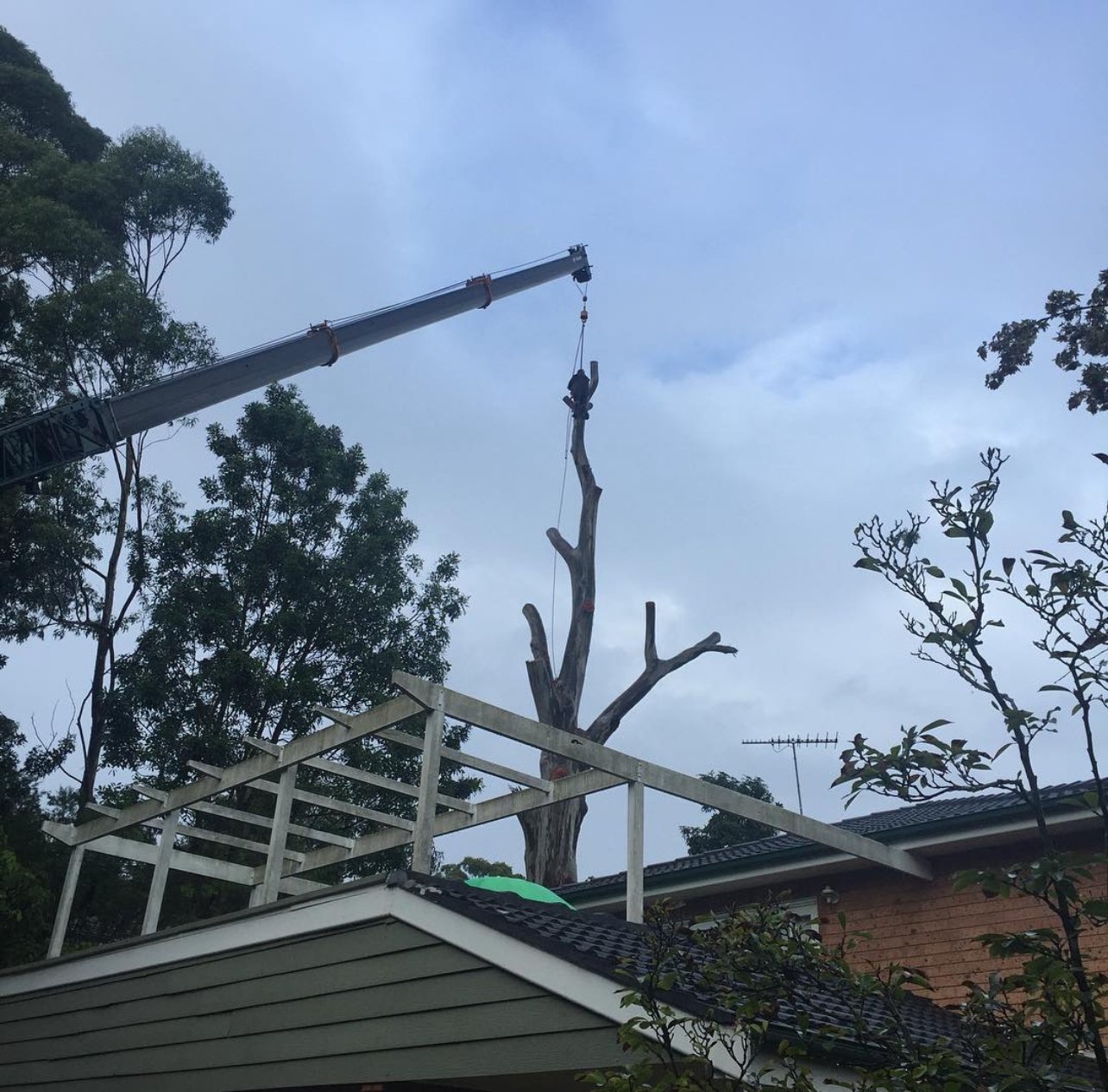
When the situation is urgent, emergency tree removal in the Hills District is about speed and safety, not just chainsaws. A proper crew will secure the scene, make the tree safe, clear the debris and often provide documentation for your insurer. All Hills District Tree Services keeps an emergency line open for exactly these moments, because storms don’t care what day it is.
Quick Checklist: When to Book a Professional
This is one of the two sections where I’m giving you a list, because it’s genuinely easier to scan. Read the paragraph, then tick off what applies to your tree.
If you’re standing in the yard wondering whether it’s time to call, run through these signs. Any single one is worth a conversation, and two or more means you should book an assessment promptly.
- Dead, brittle or hanging branches in the canopy
- A new lean, soil lifting or cracks near the base
- Fungus, hollow sounds, oozing sap or borer holes
- A thinning canopy that isn’t recovering after rain
- Limbs touching your roof, gutters or powerlines
- Roots lifting paving or affecting drains
Signs vs Solutions at a Glance
| What you notice | What it usually means | Likely service |
| Dead or hanging limbs | Deadwood, branch failure risk | Tree lopping or pruning |
| New lean, cracked soil | Root plate failure | Urgent assessment, possible removal |
| Fungus, hollow trunk | Internal decay | Arborist inspection |
| Thin, yellowing canopy | Stress, disease or drought | Pruning, treatment, monitoring |
| Lifted pavers, blocked drains | Invasive or crowded roots | Root assessment, possible removal |
| Storm-damaged tree | Immediate hazard | Emergency tree removal |
| Leftover stump | Regrowth, trip hazard, pests | Stump grinding |
Council Rules: Check Before You Cut
Here’s the part people forget until a letter arrives. In NSW, many trees are protected, and you often need approval before pruning or removing them. The rules depend on the species, size, location and whether the tree sits in a bushfire or heritage zone. The Hills Shire Council has its own tree controls, and the state framework sits in the NSW planning system. You can check the basics on the NSW Planning Portal and confirm local requirements with your council before any work starts. (Note for publisher: please verify this link goes to the most relevant current NSW Government tree and vegetation page before publishing.)
The short version is this: never assume a tree is fair game just because it’s in your backyard. A proper operator will explain the approval process and tell you what’s allowed. All Hills District Tree Services can talk you through it, and if a tree is dangerous, there are often fast-track pathways. That’s one more reason to work with a team that knows local rules, rather than a random bloke with a ute and a saw.
Don’t Forget the Stump
Once a tree is gone, the stump is the leftover problem. It can sprout, harbour termites, trip your kids and ruin a lawn. Stump grinding in the Hills District is the tidy fix, grinding the stump well below ground level so you can lay turf, build a garden bed or plant a replacement. We usually recommend it as part of any removal job, because paying twice for two visits is nobody’s idea of a good time.
How to Choose the Right Tree Team
Not all tree services are equal, and this is where young professionals, busy and time-poor, can get stung. Look for a business with proper insurance, qualified arborists, clear written quotes and a willingness to explain what they’re doing. Ask whether they hold recognised qualifications and whether they carry public liability cover. A cheap quote from an uninsured crew isn’t a bargain if a branch lands on your neighbour’s car.
I’d also trust the operator who tells you what not to do. If someone insists your healthy tree must be removed, get a second opinion. When you call All Hills District Tree Services, you get a straight assessment, a fair price and tidy work. We cover tree care in Baulkham Hills, tree services in Castle Hill and the surrounding suburbs, so you’re dealing with a local crew that turns up when it says it will.
What Happens When You Call Us
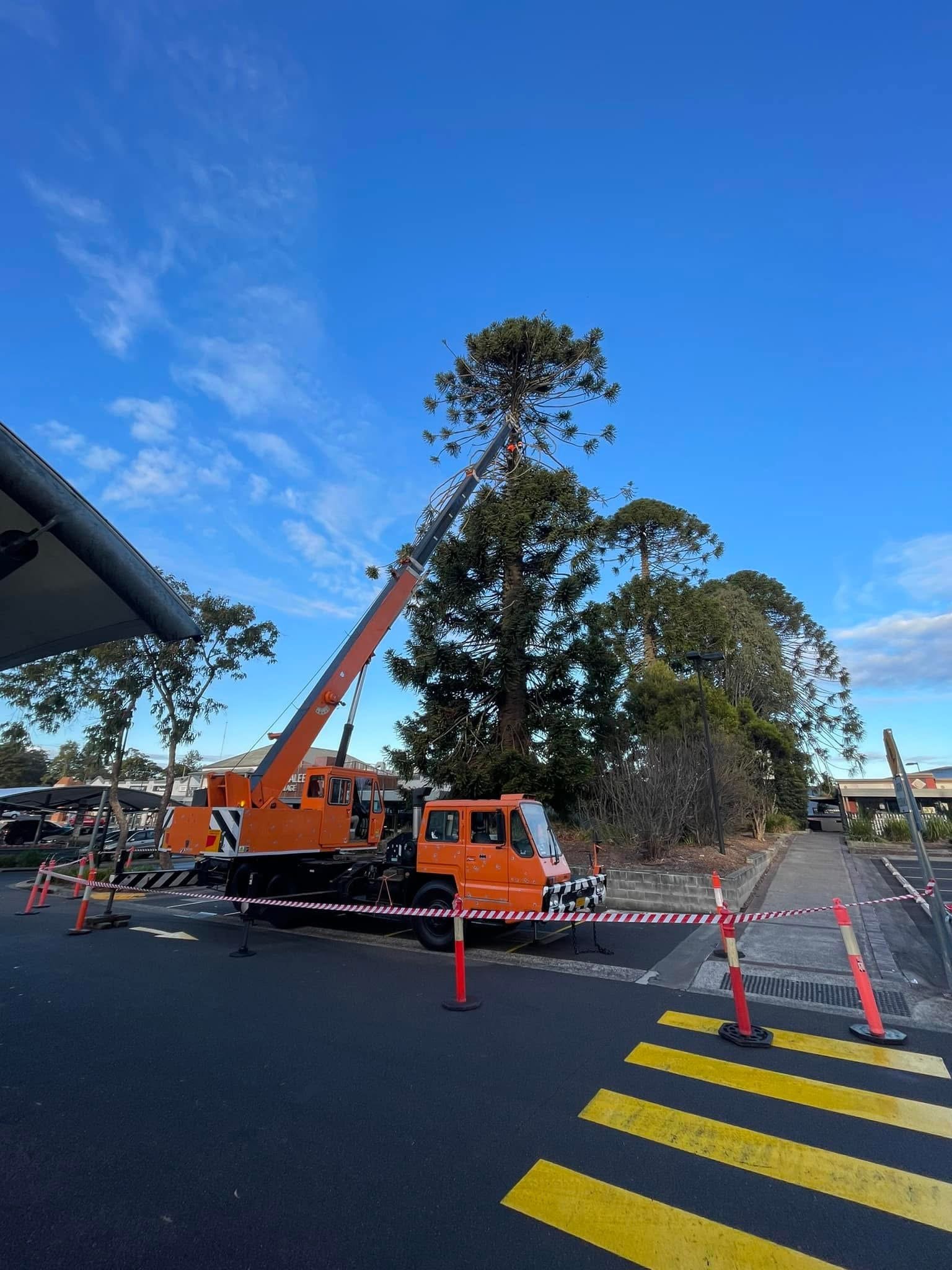
You’d be surprised how simple it is. You ring or send photos, we book a time, an arborist inspects the tree and explains the options in plain English, and you get a written quote. If you go ahead, the crew arrives, protects your property, does the work and cleans up. No mystery, no pressure.
For routine jobs, we can often book you in quickly. For urgent hazards, we prioritise. Either way, All Hills District Tree Services treats your yard like it’s our own, because in the Hills, reputation travels fast over the back fence.
Conclusion
Trees give the Hills District its character, but they also need looking after. The big warning signs are dead or hanging branches, a new lean or cracked base, fungus and decay, a thinning canopy, troublesome roots and storm damage. Catching these early almost always means safer outcomes and smaller bills. Pair that with a quick check of council rules and a trustworthy arborist, and you’ll protect your home, your family and the trees worth keeping. That’s the whole philosophy behind All Hills District Tree Services.
If something in your yard is giving you that uneasy feeling, don’t wait for the next storm to decide for you. Contact All Hills District Tree Services at All Hills Arbor today for a friendly, no-nonsense assessment and a clear quote. Whether you need pruning, removal, stump grinding or emergency help, we’re ready to make your trees safe, healthy and looking sharp.
Frequently Asked Questions
1. How do I know if my tree needs to be removed or just pruned?
If the tree is structurally sound and the problem is deadwood, overgrowth or shape, pruning is usually enough. Removal becomes the better option when the trunk is badly decayed, the root system is failing, or the tree poses a serious risk to people or property. An arborist can tell the difference after a proper inspection, and All Hills District Tree Services will always explain why we recommend one over the other.
2. How much do tree services cost in the Hills District?
Cost depends on the tree’s size, height, access, the work involved and whether cleanup and stump grinding are included. A small prune is far cheaper than removing a large tree from a tight backyard. The best approach is to get a written quote after an on-site assessment. All Hills District Tree Services provide clear pricing, so you’re never surprised on the day.
3. Do I need council approval to remove a tree in the Hills District?
Often, yes. Many trees are protected depending on species, size and location, and approval may be needed before removal or major pruning. Dangerous trees may qualify for faster pathways. Check with The Hills Shire Council and the NSW planning system, or ask All Hills District Tree Services to guide you through the process before any work begins.
4. What should I do if a tree falls during a storm?
Keep everyone well clear, stay away from any wires and call 000 or Endeavour Energy if powerlines are involved. Once it’s safe, contact an emergency tree removal service in the Hills District to make the area safe and clear the debris. Take photos for your insurer. All Hills District Tree Services can respond to urgent callouts and help with the paperwork trail.
5. How often should I have my trees inspected?
A yearly check is a good rule of thumb for mature trees close to your home, with an extra look after severe storms. Younger or smaller trees can be checked less often. Regular inspections from All Hills District Tree Services catch small problems early, which keeps your trees healthier and your costs lower.