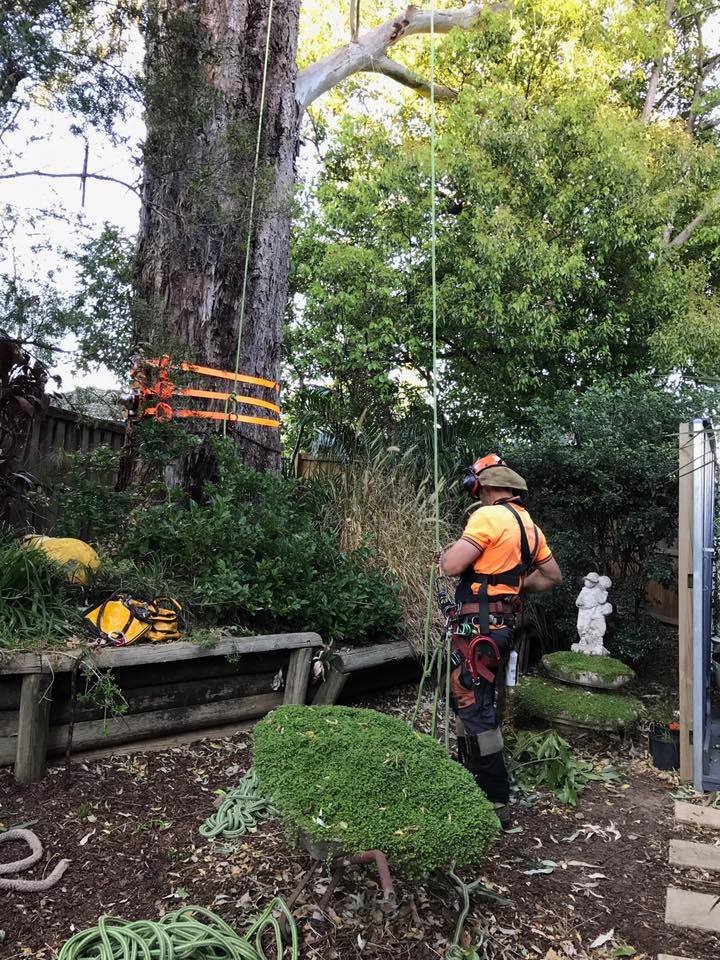
A tree does not have to look damaged to pose a risk. A crack in the trunk, disturbed soil around its base, or a heavy branch hanging over a roof can signal a problem. Dangerous Tree Removal starts with finding out what has weakened the tree and whether it could affect people or property.
Many Hills District homes have mature trees close to houses, driveways and fences. These trees offer shade and privacy, but their size and position can become a concern after strong winds, heavy rain or nearby groundworks.
An arborist’s assessment helps establish what needs attention. The tree may need a few branches removed, closer monitoring or complete removal. Here is what happens during the inspection and what homeowners should expect.
Dangerous Tree Removal Assessment Steps
The inspection usually starts with a conversation about what you have noticed. Perhaps the tree has started leaning, a branch has split, or bark has fallen away. Tell the arborist when you first saw the change and whether it followed a storm or work around the property.
The arborist then examines the tree from the base to the canopy. This includes:
- Trunk and branches: Cracks, cavities, deadwood, damaged bark and weak branch connections.
- Roots and surrounding ground: Exposed roots, lifted soil, visible damage and changes caused by excavation or paving.
- Nearby property: Roofs, fences, driveways, sheds and areas regularly used by residents.
The arborist may take photographs and measurements to record defects. The arborist may also need a closer look at a particular part of the tree before making a recommendation.
Removal is not the automatic outcome. If the problem is limited to a damaged limb, pruning may be enough. The decision depends on the tree’s condition and the risk it presents.
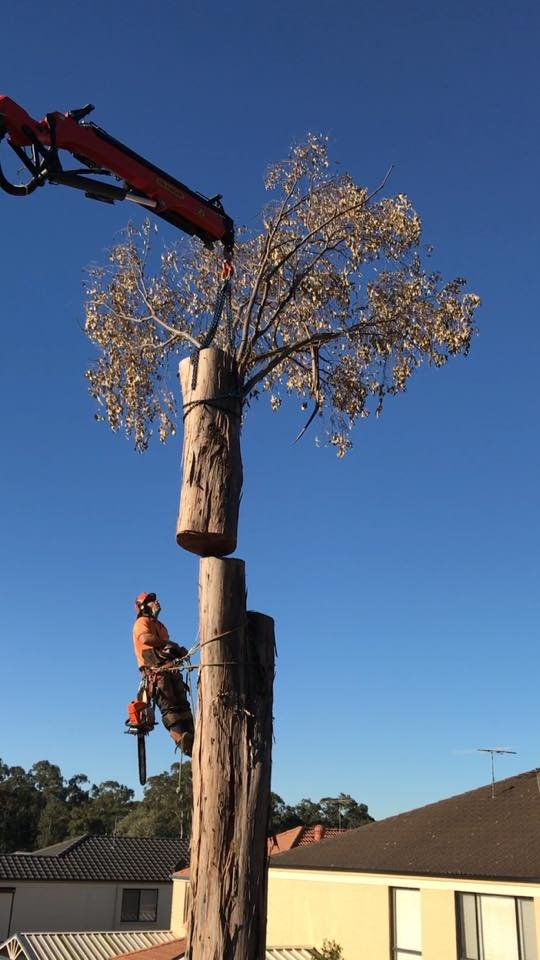
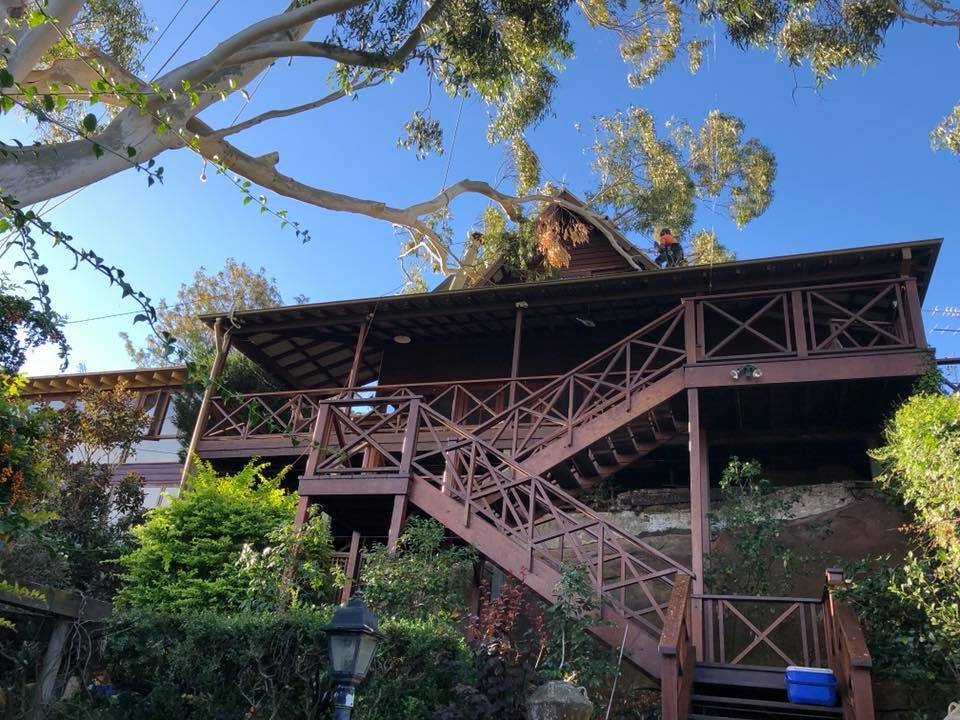
What Hazardous Tree Assessment Reveals
A hazardous tree assessment looks beyond dead branches or a leaning trunk. It considers defects that could affect the tree’s strength and stability.
A long crack, hollow section or fungal growth may indicate decay. Weak branch unions can also cause trouble, particularly when a heavy limb extends over a roof or driveway. During a Dangerous Tree Removal assessment, the arborist considers the size and position of each defect rather than treating every sign of damage as proof that the tree must go.
The ground around the trunk matters too. Excavation, new paving, retaining wall work and drainage changes can disturb roots. This is worth checking on established residential blocks, where landscaping projects often take place close to mature trees.
Some defects need further investigation before the arborist can conclude. Ask what they have found, whether the tree can remain and what could happen if the problem is left alone.
How Arborists Assess Structural Tree Risks
A tree risk assessment weighs the chance of a tree or branch failing against the likely consequences. A damaged limb above an empty garden presents a different concern from one hanging over a driveway used every day.
During Dangerous Tree Removal, the arborist considers the tree’s condition, its position and how people use the surrounding space. These details help determine the level of risk and whether pruning, further investigation or complete removal is needed.
| Inspection finding | Possible concern | Likely response |
| Crack in the trunk | Reduced structural strength | Further investigation or removal |
| Dead hanging branch | Branch may fall | Targeted pruning |
| Exposed or damaged roots | Reduced stability | Root assessment |
| Large cavity or decay | Internal deterioration | Detailed inspection |
| Recent change in lean | Possible root movement | Prompt assessment |
| Split after a storm | Weakened trunk or limb | Make-safe work or removal |
These are not fixed outcomes. A tree with a cavity may remain stable, while one with less obvious damage could be unsafe because of its location or root condition. This is why Dangerous Tree Removal decisions must consider the tree’s overall condition rather than relying on one visible defect.
When Emergency Tree Removal Is Needed
Some damage needs attention straight away. Emergency tree removal may be necessary when a tree or large branch threatens a home, vehicle, access route or occupied area.
After a storm, check for sudden changes from a safe distance rather than approaching damaged sections yourself. During a Dangerous Tree Removal assessment, the arborist looks for warning signs such as:
- A tree that has suddenly started leaning.
- A split trunk or large branch hanging loose.
- Lifted or cracked ground around the roots.
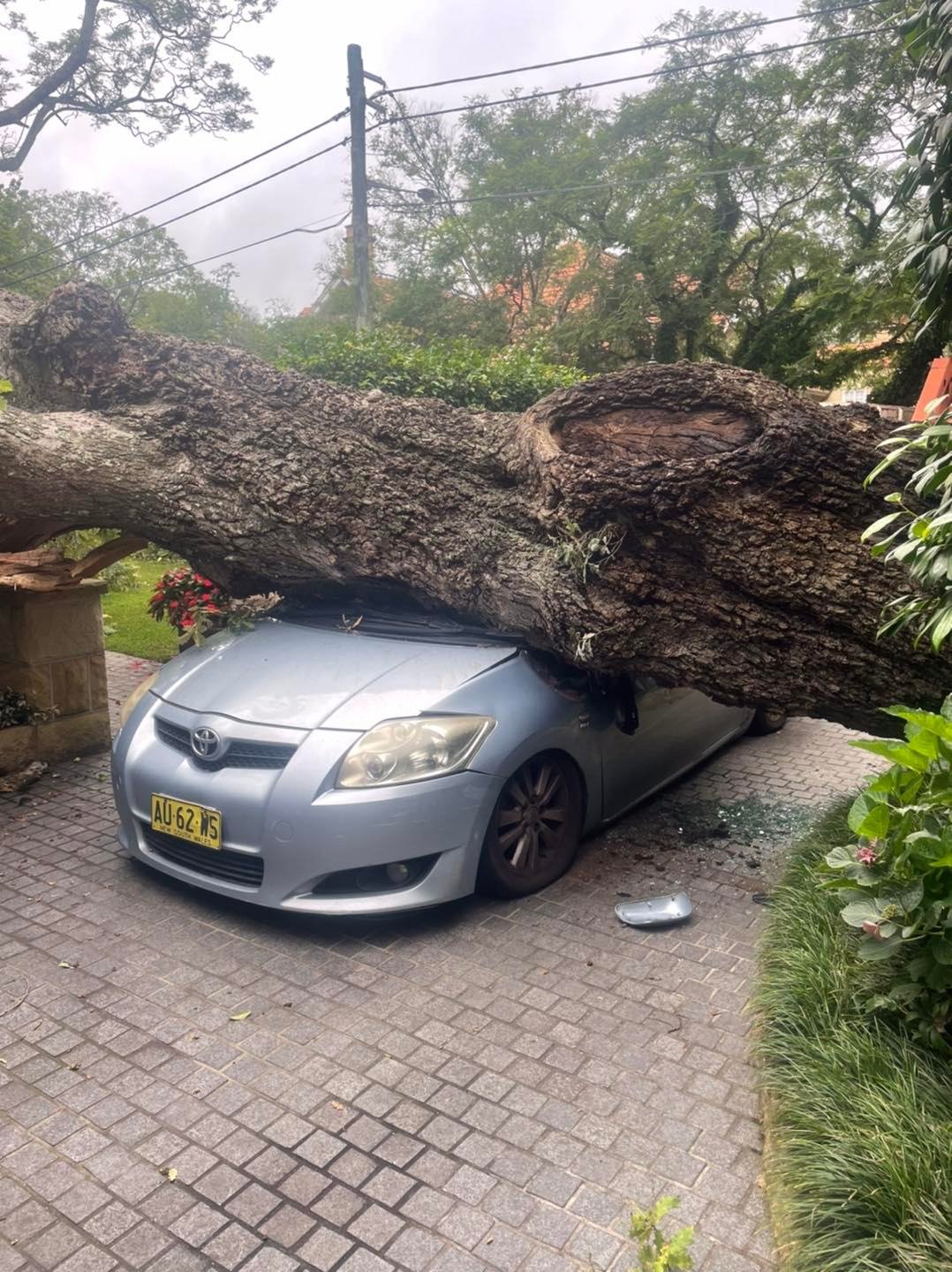
- A fallen tree blocking access or damaging a building.
- Major limbs resting on a roof or fence.
Keep people away from the affected area. Do not climb the tree, pull down hanging branches or attempt to cut a damaged limb. It may move without warning.
If a fallen tree or branch touches powerlines, stay well clear and contact the electricity network provider or emergency services. Never try to move it.
Storm Damaged Tree Removal After Severe Weather
Storm damage does not always mean a tree needs to come down. Storm damaged tree removal may be recommended when the trunk has split, major limbs have failed, or the roots can no longer support the tree. A Dangerous Tree Removal assessment helps establish whether the damage calls for pruning or complete removal.
Strong winds can place heavy pressure on a mature canopy. Saturated ground may also affect root stability. In the Hills District, trees close to homes, fences and neighbouring properties deserve particular attention after severe weather.
If the damage is limited to a few branches, pruning may resolve the problem. Where the main trunk or root system has suffered serious damage, removal may be the safer option.
A tree can also look healthy while having a weakened structure. Leaves and new growth do not tell the whole story. The arborist needs to consider the damaged sections and the tree’s ability to remain stable.
Dead and Leaning Trees Need Attention
Dead tree removal may be necessary when decay has weakened the trunk or branches, especially where the tree stands near a home, driveway or outdoor area. Dead wood can become brittle, increasing the chance of branches breaking. During a Dangerous Tree Removal assessment, the arborist checks whether the damage poses a risk to nearby people or property.
A dead tree in a quiet part of a large property may present a different risk. Its condition and surroundings determine whether removal, monitoring or other work is appropriate.
A leaning tree also needs a closer look. Some trees naturally grow at an angle. A sudden change is more concerning, particularly when the ground has lifted, roots are exposed, or the trunk has started to shift.
Leaning tree removal may be recommended if the tree is losing stability and could fall onto a building, road or frequently used area. Tell the arborist if the lean is new or has become more noticeable.
Dangerous Tree Branch Removal or Pruning
Sometimes the problem is one damaged limb, not the entire tree. Dangerous tree branch removal may be suitable when the trunk and root system remain sound. During a Dangerous Tree Removal assessment, the arborist checks whether targeted pruning can address the risk without removing the whole tree.
For example, a dead branch over a driveway may need removal while the rest of the tree can stay. A limb growing towards a roof may also need selective pruning.
The amount removed matters. Cutting away too much of the canopy can affect the tree’s structure and future growth. The arborist should identify the branches that need attention and explain why.
If the main trunk or roots are compromised, pruning may not address the underlying risk. In that situation, hazardous tree removal may be considered.
Council Rules Before Tree Work
An arborist’s recommendation during a Dangerous Tree Removal assessment does not automatically mean you can remove a tree. The Hills Shire Council has rules covering tree removal and pruning on private land. Some work requires approval, while exemptions apply in certain circumstances.
Council guidance includes requirements for pruning more than 10% of a tree and for substantial soil-level changes within three metres of its trunk. Check the current rules before arranging work, as the requirements depend on the circumstances.
Ask the arborist whether approval is needed and what documents may support an application. Photographs and an assessment report can help explain the tree’s condition.
Preparing for a Hazardous Tree Assessment
Before a Dangerous Tree Removal assessment, share a few details about the tree to help the arborist understand the problem and prepare for the inspection.
- Take photographs: Capture visible cracks, damaged branches, exposed roots or changes in the tree’s lean.
- Explain recent work: Mention excavation, paving, drainage changes, landscaping or nearby construction.
- Point out problem areas: Show the arborist nearby roofs, fences, driveways and frequently used spaces.
- Keep previous reports handy: Share earlier assessments or Council correspondence if available.
Do not cut damaged branches or disturb the ground around the tree before the visit. Those details may help the arborist understand what has happened.
Make an Informed Tree Safety Decision
A damaged tree may need one branch removed, while another may require complete removal. A professional Dangerous Tree Removal assessment helps establish the difference and gives you a clearer idea of the work involved.
If a tree on your property has started leaning, lost major branches or developed visible cracks, contact Hills Arbor to arrange an inspection. Discuss the findings and recommended work before deciding how to proceed.
Frequently Asked Questions
1. How long does a tree assessment take?
The time needed for a Dangerous Tree Removal assessment depends on the tree’s size, condition and location. A straightforward inspection may take less time than one involving major trunk damage or suspected root problems.
2. Can an arborist confirm whether a tree is dangerous?
Yes. During a Dangerous Tree Removal assessment, an arborist checks visible defects, structural condition and surrounding risks. Some concerns need further investigation before the arborist can recommend suitable work.
3. Does every hazardous tree need removal?
No. Dangerous Tree Removal is not always necessary. Pruning, removing specific branches or monitoring may be suitable if the main structure remains stable and the identified risk can be managed.
4. Can I arrange dangerous tree removal in Baulkham Hills after a storm?
Yes. Contact an arborist for Dangerous Tree Removal advice if a tree has split, shifted or lost major branches. If it presents an immediate danger, keep people away and seek urgent assistance.
5. Is Council approval required for unsafe tree removal?
Dangerous Tree Removal may require Council approval, depending on the tree, proposed work and applicable exemptions. Check The Hills Shire Council’s current requirements before arranging removal, even if the tree appears damaged.
6. What happens after the arborist completes the assessment?
After a Dangerous Tree Removal assessment, the arborist explains the findings and recommends suitable work. This may involve pruning, further investigation, monitoring or removal, followed by a discussion about costs and approvals.