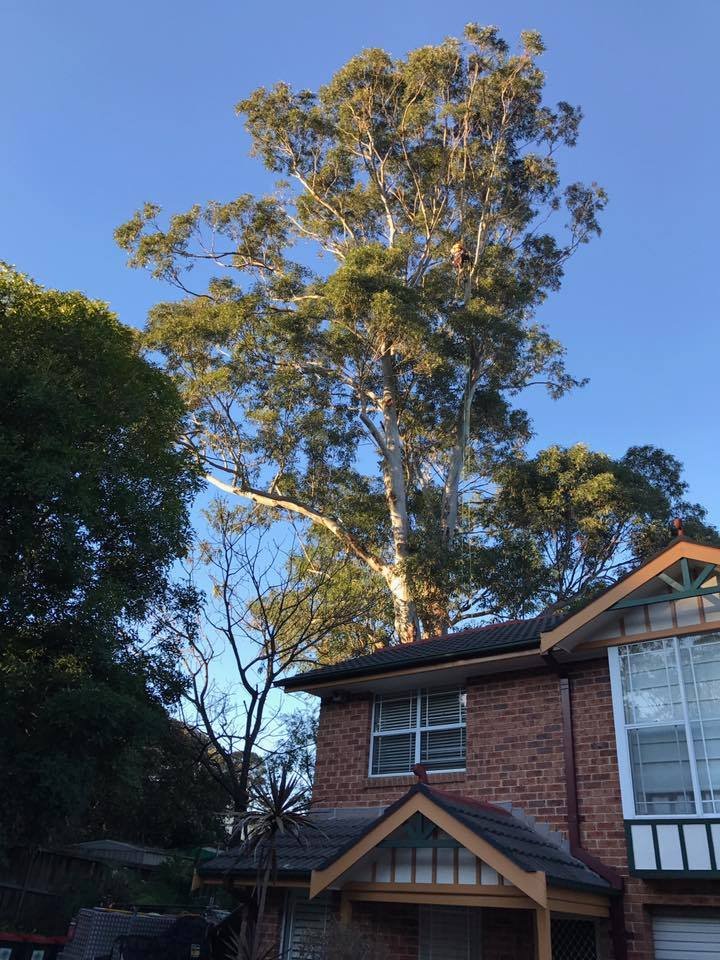
A tree branch hanging over your roof after a storm is not something most homeowners want to ignore. It may stay where it is for hours, even days, and then come down when the next strong wind arrives. That is where Emergency Tree Branch Removal can make a real difference. For property owners in Baulkham Hills, dealing with an unstable branch early can mean the difference between a straightforward tree job and an expensive repair to a roof, car, fence or outdoor structure.
Storm damage is not always dramatic. Sometimes the only sign is a fresh split in a large limb or a branch sitting at an unusual angle. Other times, the damage is obvious, with part of a tree resting on a house or blocking a driveway. Either way, the safest response is to keep people away from the area and have the tree assessed properly.
Why a Broken Branch Should Not Be Ignored
Trees are remarkably strong, but that does not mean a damaged branch will hold indefinitely. Once a limb has cracked, its weight, wind exposure and weakened attachment can all work against it.
A branch hanging over a roof is a particularly awkward problem. Even if it does not fall completely, it can rub against roof materials or gutters. A heavier limb can also break tiles, damage a pergola or land on a parked vehicle.
The situation becomes harder to judge after a storm. A branch may look secure from ground level while being badly damaged where it connects to the trunk. That is one reason Emergency Tree Branch Removal should involve an assessment rather than simply cutting away whatever is easiest to reach.
SafeWork NSW identifies falling objects, working at heights and powerlines among the major hazards associated with tree work. Its guidance recommends that tree and work sites are assessed before work begins.
-
- know if a tree is unsafe
What Makes a Tree Branch an Emergency?
Not every broken branch needs to be removed immediately. The location and condition of the limb are just as important as its size.
Imagine two branches of similar weight. One has fallen into an unused section of the backyard. The other is cracked above the front entrance. The second branch presents a much more immediate concern because people and property are directly underneath it.
Emergency Tree Branch Removal is generally worth considering when there is a clear possibility of a branch falling onto something or someone.
| Tree problem or situation | What could happen if it is left alone | Level of concern | Sensible next step |
| Large cracked limb above a roof | Tiles, gutters or roof structures may be damaged | High | Keep the area clear and arrange an arborist inspection |
| Branch hanging over a driveway | It could fall onto a vehicle or block access | High | Move vehicles if safe and organise professional removal |
| Split branch following strong winds | The remaining attachment may fail suddenly | High | Avoid standing beneath it and have the branch assessed |
| Dead branch above a garden path | It may drop without much warning | Moderate to high | Arrange professional pruning or removal |
| Branch touching a powerline | Contact can create a serious electrical hazard | Very high | Stay away and contact the appropriate utility service |
| Fallen limb across a fence | Further movement may damage the fence or surrounding area | Moderate | Have the limb safely cut and cleared |
| Damaged branch beside a swimming pool or entertaining area | Falling material could injure people or damage equipment | High | Restrict access until the hazard is assessed |
| Tree showing major trunk or root damage | The problem may involve the entire tree | Very high | Arrange an urgent arborist assessment |
The table shows why there is no single answer for every storm-damaged tree. Position matters. So does the condition of the attachment point.
Why Baulkham Hills Homeowners Should Take Storm Damage Seriously
Baulkham Hills has plenty of established residential streets, mature gardens and properties where trees grow close to homes and other structures. That can be a beautiful part of the area, but it also means a damaged tree may have very little room to fall without hitting something.
Strong weather can reveal weaknesses that were not obvious beforehand. A branch that appeared perfectly healthy during summer may split during a period of high wind. Heavy rain can also soften the ground around some trees, while an already compromised root system may become less stable.
This is where Emergency Tree Branch Removal becomes more than simple garden maintenance. The objective is to manage a situation that has changed unexpectedly.
Hills Arbor says it is based in Baulkham Hills and provides emergency tree work throughout the Hills District. Its service information also notes experience with storm-related emergencies and emergency dismantling.
The Problem With Trying to Remove the Branch Yourself
A broken branch can look like an easy weekend job. If it is small and safely reachable from the ground, basic garden maintenance may be straightforward. A large damaged limb is another matter.
The weight of the branch can change as soon as a cut is made. Some branches are under tension, meaning they can move unexpectedly when released. A person using a ladder is also dealing with an unstable work position while handling cutting equipment.
SafeWork NSW reported seven serious incidents involving tree work between February and July 2024, including falls from height and workers being struck by falling branches. Its advice includes site-specific risk assessment, exclusion zones and competent people carrying out tree assessments and work.
That makes professional Emergency Tree Branch Removal particularly important where a branch is large, elevated, partly detached or close to a building.
What a Professional Tree Assessment Looks At
An arborist does not simply look at the broken part and start cutting. The tree itself needs to be considered.
The condition of the trunk, branch union, remaining limbs and surrounding ground can all influence the safest way to deal with the problem. Access is another consideration. A branch over a narrow driveway may require a different approach from one in an open backyard.
Weather matters too. After particularly severe conditions, the safest method may change as wind or rain continues.
A professional assessment can answer a useful question: does the entire tree need attention, or is the immediate problem limited to one section?
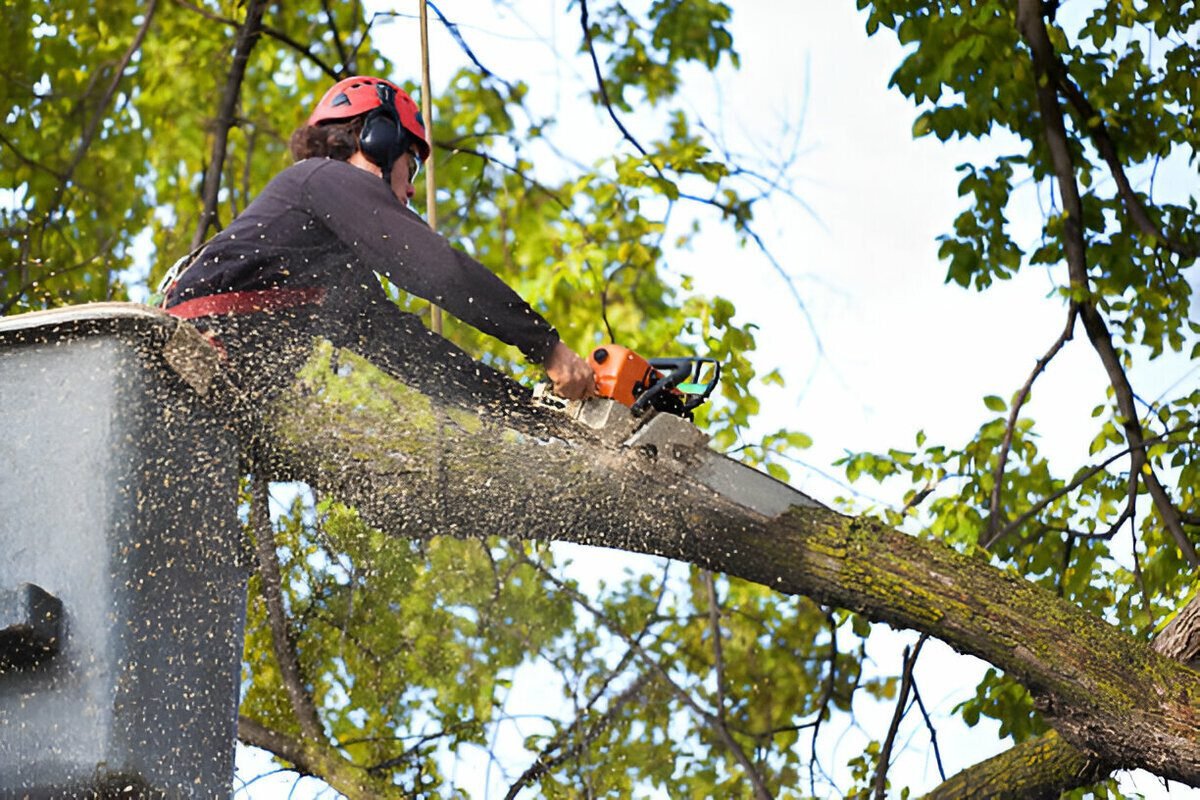
In many cases, Emergency Tree Branch Removal can involve taking away a damaged limb while leaving the healthier parts of the tree standing.
What Happens During Emergency Tree Branch Removal?
The process will vary depending on the site, but it generally starts with making the area safe.
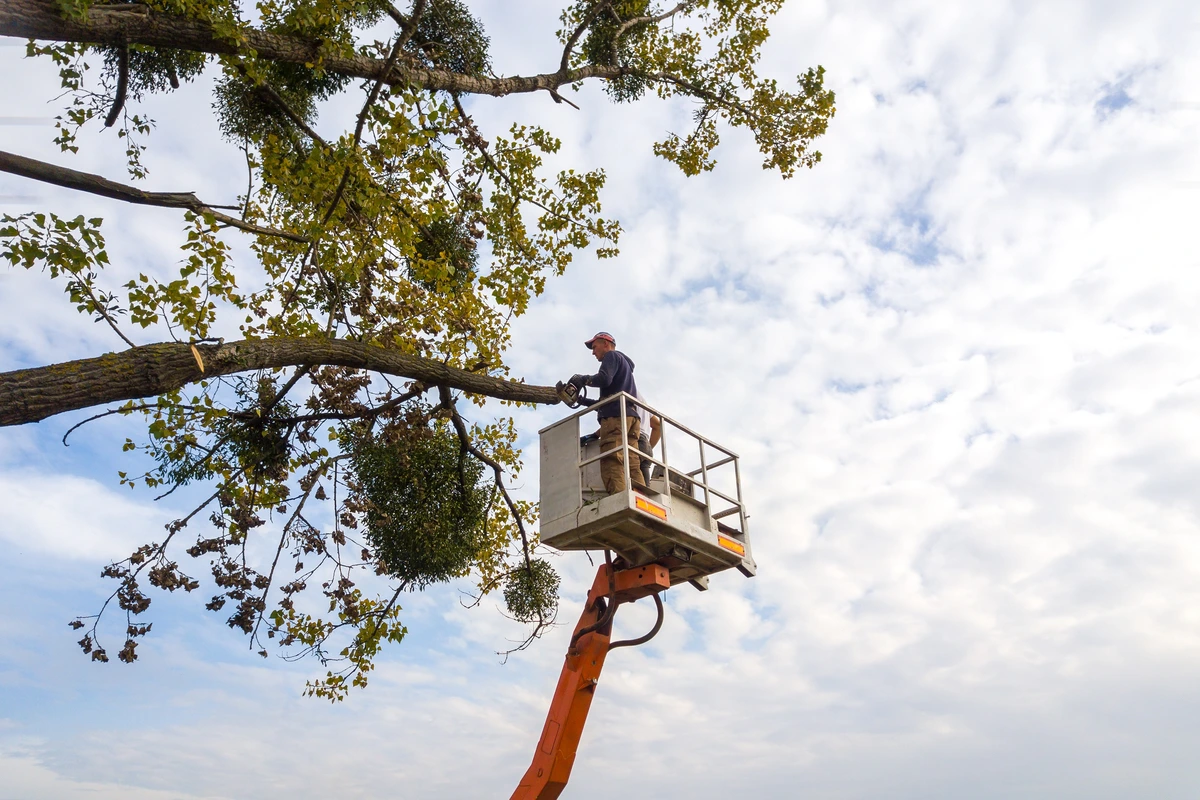
People, pets and vehicles may need to be moved away from the tree. The arborist then assesses the branch, identifies possible fall paths and considers nearby structures, electrical infrastructure and access.
The damaged section may be removed in smaller pieces rather than allowed to drop in one large section. This is particularly useful around houses because a controlled lowering method can reduce the chance of the branch hitting the roof or another structure.
The final stage is usually clearing the cut material and checking whether additional tree work is needed.
Hills Arbor’s emergency service describes a safety-first approach, including assessment, controlled removal or stabilisation and specialist equipment where required.
What to Do While Waiting for an Arborist
The safest thing a homeowner can do is often very simple: stay away from the damaged tree.
There is no benefit in standing underneath a hanging limb to check whether it is going to fall. Do not climb onto the roof to inspect a branch that has landed there, and do not pull at a limb that is caught against a structure.
If powerlines are involved, the situation should be treated as an electrical hazard rather than an ordinary gardening problem.
SafeWork NSW specifically recommends establishing exclusion zones around tree work and controlling hazards such as powerlines and falling branches.
When Fallen Tree Removal Is Needed
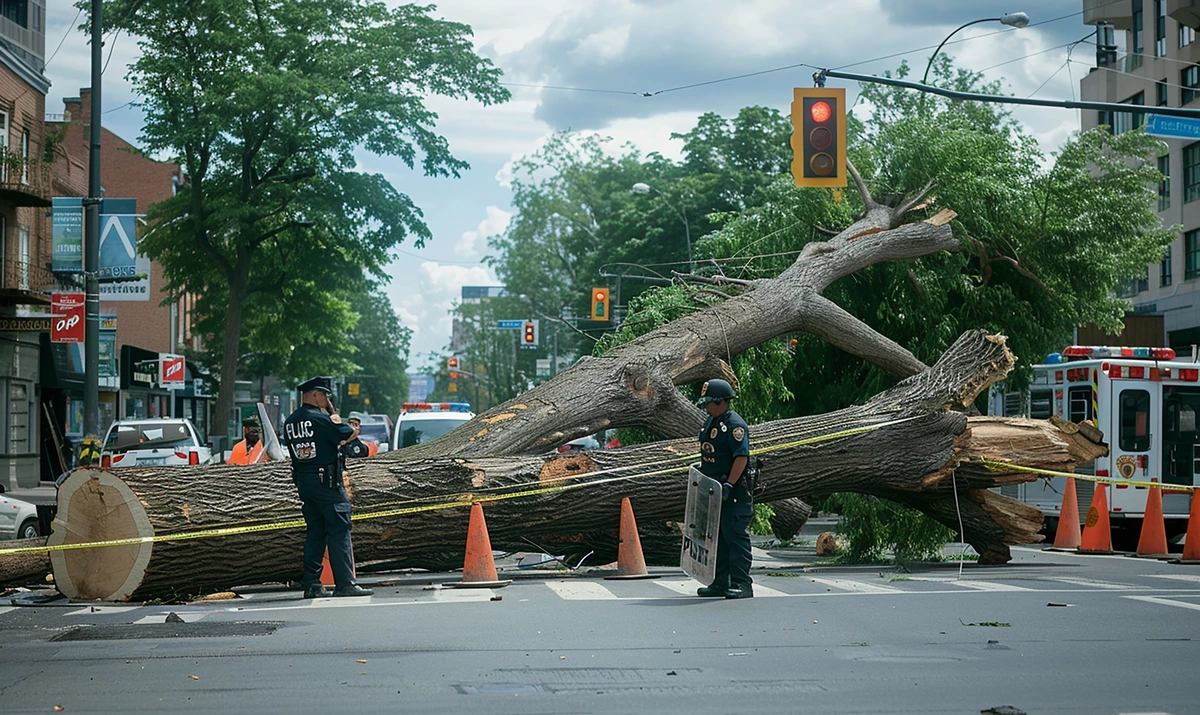
Sometimes the damage is larger than a single branch. A whole tree may have fallen across a driveway, fence or section of a house.
In that case, fallen tree removal needs to be planned carefully. A fallen trunk can still contain considerable tension, and branches can shift as sections are cut away.
Trying to drag a large tree away with a vehicle or cutting it randomly can make the situation worse. The safest approach depends on the tree’s position, weight, access and surrounding hazards.
Recognising a Dangerous Branch Before It Falls
There are occasions when a branch gives some warning before it fails. Cracks, dead sections, cavities, unusual movement and weak attachment points can all deserve attention.
This does not mean homeowners should climb trees to inspect them. A ground-level observation can be useful, but anything involving climbing or cutting should be left to someone with the right skills and equipment.
Dangerous tree branch removal may be recommended where a limb has a clear likelihood of failure and sits above a place where people or property could be affected.
The timing matters. Removing a hazardous limb while conditions are calm is generally preferable to dealing with the same branch after it has landed on a roof.
Emergency Tree Services Baulkham Hills After Severe Weather
Searching for emergency tree services Baulkham Hills usually means something has already happened. Perhaps a storm has snapped a limb, a tree has started leaning or part of the canopy is now sitting against the house.
The first step is not necessarily to remove everything. A proper assessment helps establish what is actually dangerous and what can safely remain.
For Baulkham Hills residents, using a local arborist can also be practical when access, local conditions and council requirements need to be considered.
Why Emergency Tree Branch Removal Can Protect Your Budget
There is a financial side to tree emergencies that is easy to overlook.
A large branch falling onto a roof may damage tiles first. Water can then enter through the damaged area. Gutters may be bent, insulation may become wet and internal repairs may eventually be needed.
A branch falling onto a car creates another type of expense. Fencing, sheds, outdoor furniture and electrical equipment can also be damaged.
Arranging Emergency Tree Branch Removal before the branch falls cannot prevent every type of storm damage, but it can remove one known hazard from the equation.
The cost of dealing with a damaged limb is often easier to manage than dealing with several unrelated repairs after a fall.
Preparing Trees Before the Next Storm
Emergency work is useful, but prevention still has a place.
A tree that is inspected periodically may reveal deadwood, weak branches or structural concerns before they become urgent. Professional pruning can sometimes reduce the amount of vulnerable material in the canopy.
Homeowners should also keep an eye on changes around mature trees. New cracks in the ground, exposed roots, a sudden lean or significant dead branches are worth having assessed.
Good preparation does not mean removing every large tree from a property. It means understanding which trees present a realistic risk and managing them appropriately.
 Choosing an Emergency Arborist in Baulkham Hills
When a tree has already been damaged, homeowners usually want someone who can assess the situation properly rather than simply arrive and start cutting.
Look for a contractor with relevant arboricultural experience, appropriate equipment and a clear approach to safety. It is also worth checking whether the company can deal with both the tree work and the resulting debris.
SafeWork NSW advises property owners to hire professional tree work contractors and check their qualifications and experience.
For anyone looking for an emergency arborist Baulkham Hills, local experience can also be useful when the job involves restricted access, neighbouring properties or council considerations.
When the Whole Tree Is the Problem
Sometimes a damaged branch is only the visible part of a bigger issue.
A tree with substantial trunk decay, severe root damage or major structural failure may need a more detailed assessment. If the tree cannot reasonably be retained, hazardous tree removal may become the appropriate option.
That decision should not be based solely on appearance. Removing an established tree is significant work, and there may also be local requirements that apply to removal.
The Hills Shire Council has rules relating to trees on private property, so owners should check the current requirements before carrying out planned tree work.
A Sensible Response Can Prevent a Bigger Problem
The most useful thing about Emergency Tree Branch Removal is that it deals with a known risk while it is still manageable.
A branch does not have to be enormous to cause damage. Its position can be enough to make it dangerous. A relatively modest limb above a bedroom, driveway or entrance deserves more attention than a larger branch falling into an empty section of garden.
That is why the circumstances matter more than simply looking at the tree from a distance.
Conclusion
A cracked or hanging branch is easy to put out of mind, particularly when it has not caused damage yet. The trouble is that trees do not always give you a second warning.
For homeowners in Baulkham Hills, Emergency Tree Branch Removal can be a sensible response when a damaged limb is sitting above a home, vehicle, driveway or other vulnerable area. Getting the problem assessed early may prevent the branch from becoming a much more expensive issue.
Do not climb onto a roof to investigate a storm-damaged limb or attempt to cut a large hanging branch yourself. Keep the area clear and let an experienced arborist determine the safest way forward.
If your property has a broken, hanging or unstable branch, Hills Arbor can assess the situation and provide professional assistance.
Contact Hills Arbor today to arrange Emergency Tree Branch Removal in Baulkham Hills and deal with the hazard before the next strong wind turns it into property damage.
Frequently Asked Questions
1. When should I arrange Emergency Tree Branch Removal?
It is worth arranging an assessment when a branch has split, cracked, become partly detached, is hanging unusually low or is positioned above a building, vehicle or area regularly used by people. If the branch is unstable, keep away until it can be assessed.
2. Can a damaged branch be removed without removing the entire tree?
Yes. Emergency Tree Branch Removal can sometimes be limited to the damaged limb. Whether this is appropriate depends on the health and structure of the remaining tree. An arborist can determine whether selective pruning or removal is suitable.
3. Is it safe to cut a storm-damaged branch myself?
Large or elevated branches should not be treated as normal DIY work. They can move unexpectedly when cut, and working from a ladder introduces additional risks. SafeWork NSW identifies falling objects and falls from height as significant hazards in tree work.
4. What if the broken branch is touching a powerline?
Do not approach it or attempt to cut it. A branch in contact with electrical infrastructure can create a serious electrical risk. Keep people away from the area and contact the appropriate electricity or emergency service.
5. How quickly can an emergency tree service respond in Baulkham Hills?
Response time depends on weather, the seriousness of the situation and the number of emergency jobs being handled. Hills Arbor states that it provides 24-hour emergency tree services across Baulkham Hills and surrounding Hills District suburbs.
6. Does emergency tree work require council approval?
It depends on the circumstances and the type of tree work involved. Planned pruning and removal can be subject to local requirements. Property owners should check the current Hills Shire Council rules before arranging non-urgent work.