There’s a particular sound every Baulkham Hills homeowner knows. It’s 2am, the wind’s picked up off the escarpment, and a branch the size of your arm just cracked somewhere in the backyard. You lie there thinking, “is that tree actually fine, or have I just been ignoring it for three years?” Fair question. And honestly, most of us don’t know the answer until something falls.
That’s exactly the gap a proper tree health assessment is built to close. Baulkham Hills sits in one of the leafiest pockets of Sydney’s Hills District, which is a blessing for shade, birdlife, and property value, but it also means a lot of mature eucalypts, jacarandas, and camphor laurels are quietly ageing above driveways, roofs, and kids’ trampolines. A tree health assessment isn’t about being paranoid. It’s about knowing, with actual evidence, whether that tree in the corner of your yard is a leafy asset or a slow-motion liability.
At All Hills Arbor, we’ve walked hundreds of properties across Baulkham Hills, Castle Hill, and Kellyville, and we can tell you the pattern is always the same: the trees that fail are rarely the ones that “look sick.” They’re the ones nobody looked at closely. This blog walks you through what a tree health assessment actually involves, why it matters more here than in most suburbs, and how to tell when it’s time to book one.
What Exactly Is a Tree Health Assessment?
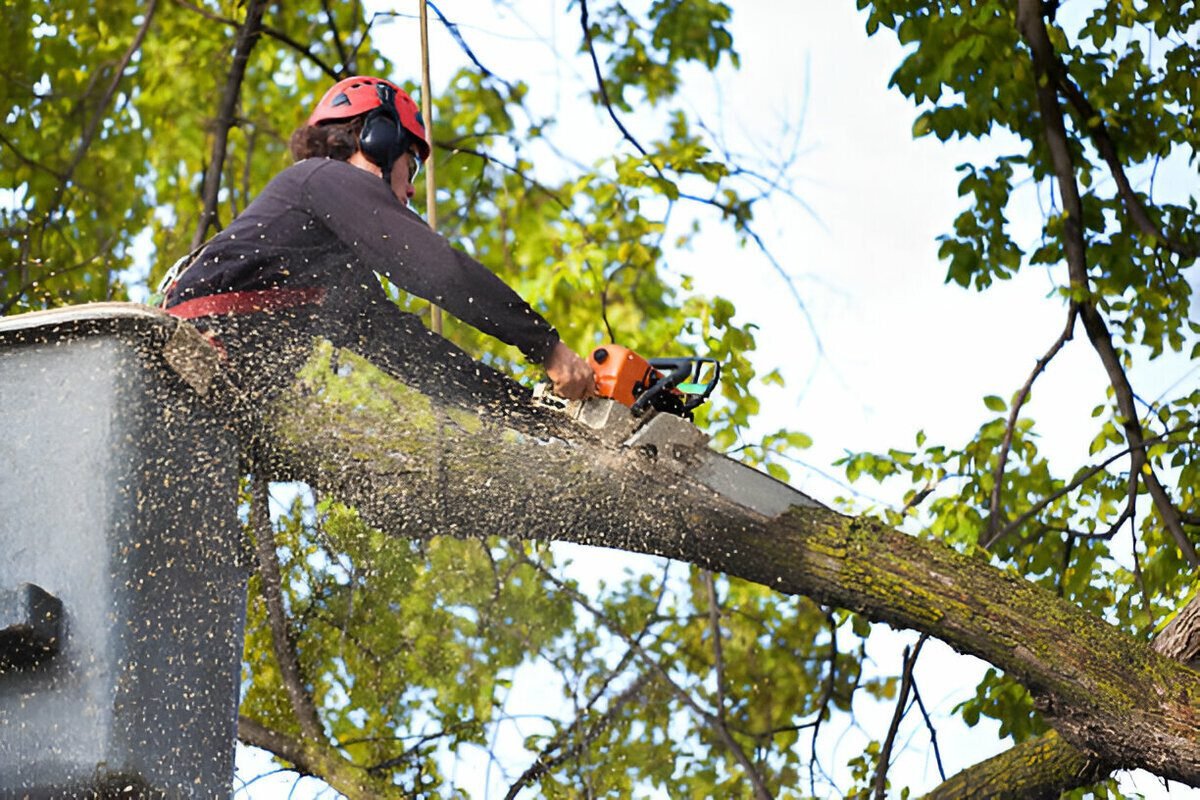
Put simply, a tree health assessment is a structured inspection carried out by a qualified arborist to work out how healthy, stable, and safe a tree currently is, and where it’s likely heading. Think of it like a vehicle roadworthy check, except instead of brake pads and tyre tread, you’re looking at root plates, bark integrity, canopy density, and signs of internal decay.
A genuine tree health assessment covers more ground than a quick glance from the footpath. The arborist will look at the trunk for cracks, cavities, or fungal growth, check the canopy for dieback or thinning, examine the root zone for heaving soil or fungal conks (a classic sign of root rot), and assess the tree’s lean, load distribution, and proximity to structures. Some assessments go further with tools like a mallet-sound test or a resistograph, which measures wood density to detect hidden decay without cutting the tree open. It’s genuinely more science than guesswork, and that’s the whole point.
For Baulkham Hills properties specifically, a tree health assessment also has to factor in local conditions: clay-heavy soils that swell and shrink with rainfall, storm exposure from the north-west, and the sheer age of many street and backyard trees planted during the suburb’s 1970s and 80s development boom. A tree that’s structurally fine in a sheltered coastal suburb can be a genuine hazard here once you add 40-year-old roots fighting compacted clay.
Why Tree Safety in Baulkham Hills Deserves Extra Attention
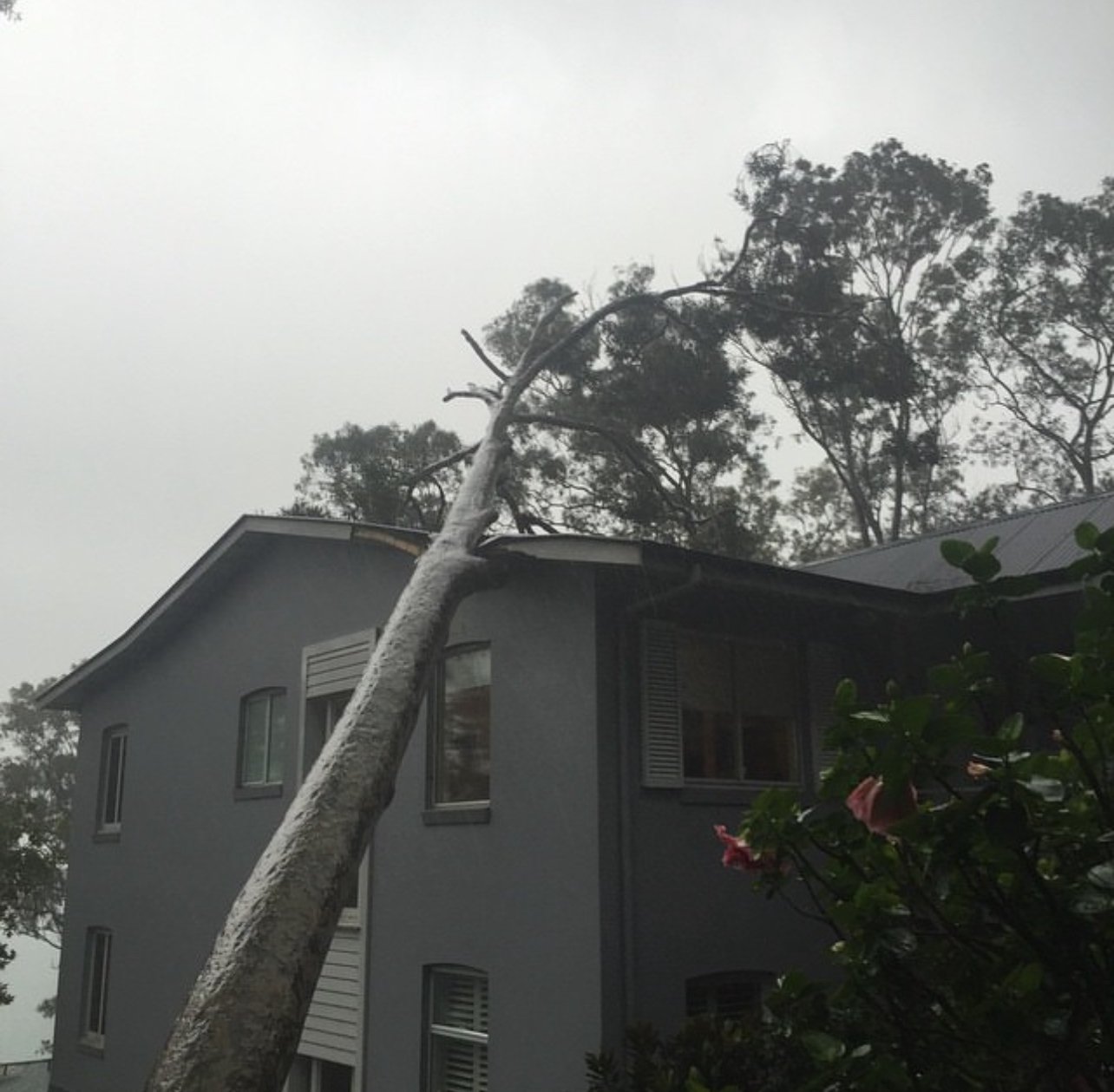
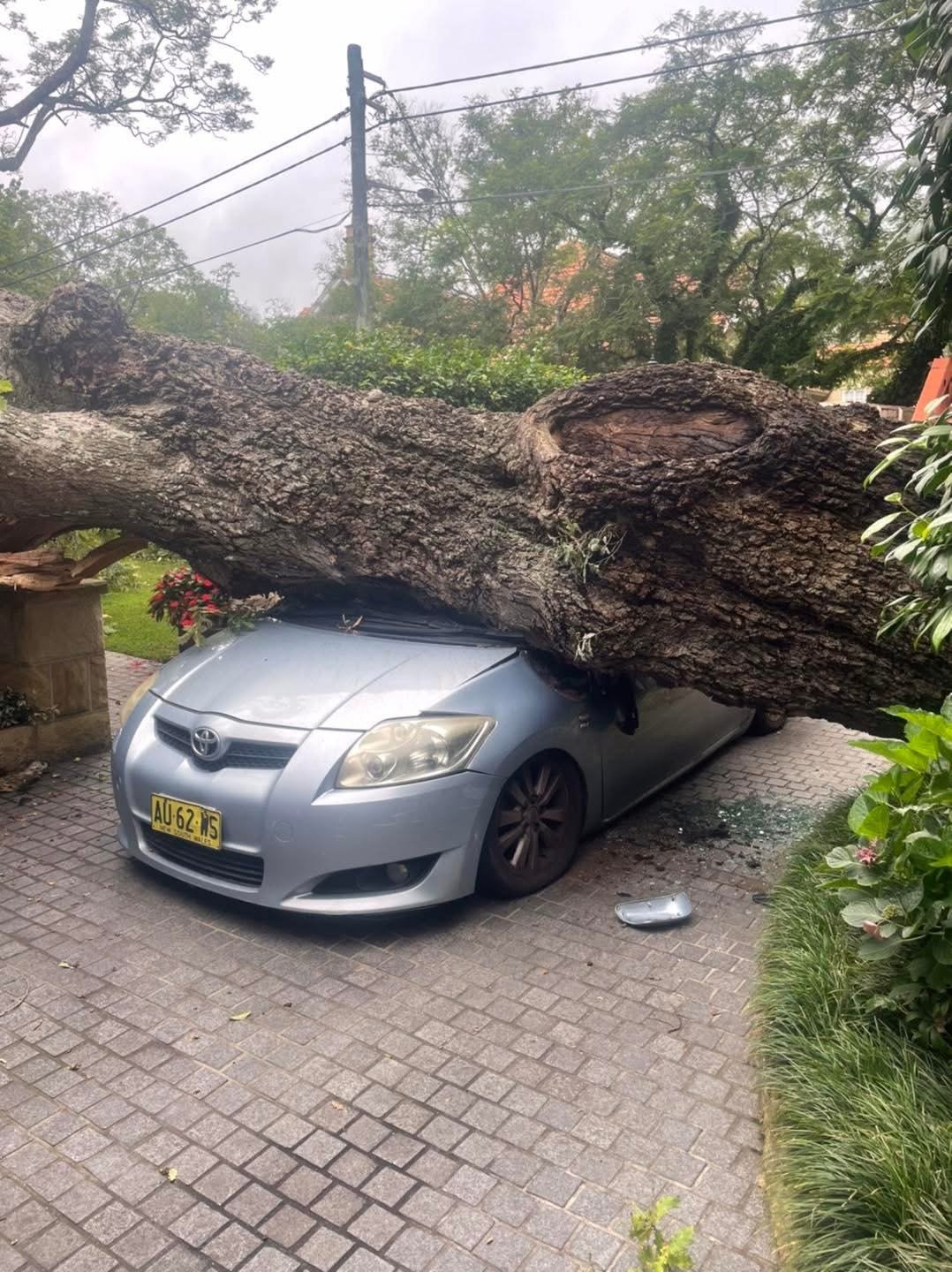
Here’s the thing about Sydney’s Hills District: it looks calm most of the year, then a summer storm cell rolls through and suddenly every second street has a downed limb across a driveway. The Bureau of Meteorology has flagged Western Sydney, including the Hills, as one of the more storm-prone corridors in the metro area, and mature trees take the brunt of it.
A tree health assessment matters here because the consequences of skipping one aren’t hypothetical. Councils in the region receive a steady stream of insurance claims and property damage reports tied to trees that were never professionally inspected. And it’s not just about branches falling in a storm. Slow, invisible problems, like root rot from overwatered garden beds or borer damage in an old camphor laurel, can weaken a tree over years until a completely calm, windless day is the moment it finally lets go.
There’s also a legal angle worth knowing. Local councils, including The Hills Shire Council, regulate what you can and can’t do to trees on private land, and any removal or major pruning usually needs council consent under the relevant tree preservation provisions. A documented tree health assessment is often exactly what you need to support a removal or pruning application, because it gives council a credible, arborist-backed reason rather than just “I think it looks unsafe.” You can read more about local tree rules directly on The Hills Shire Council’s trees on private land page , which is worth a bookmark if you own a property with established trees.
Signs Your Tree Might Need a Tree Health Assessment
You don’t need to be an arborist to notice the early warning signs. You just need to know what you’re actually looking at. A few things worth flagging for a professional tree health assessment:
- Large dead branches sitting in an otherwise green canopy, especially near the top
- Fungal growth (mushrooms, brackets, or conks) at the base of the trunk or along major roots
- A noticeable new lean, or soil lifting on one side of the root zone
- Cracks, splits, or oozing sap running vertically down the trunk
- Thinning canopy compared to how the tree looked a year or two ago
- Hollow-sounding trunk sections when tapped, or visible cavities
If you’ve ticked even one of those boxes, it’s genuinely worth booking a proper tree risk assessment rather than waiting to see what happens next season. Trees are patient. They can look “mostly fine” for years while a problem quietly compounds underground or inside the trunk, and by the time the visual symptoms are obvious to an untrained eye, the risk level is often already high.
The Difference Between Tree Health Assessment and Tree Risk Assessment
People use these terms interchangeably, and honestly, in casual conversation that’s fine. But there’s a useful distinction. A tree health assessment focuses on the biological condition of the tree: is it diseased, is it stressed, is it getting enough water and nutrients, is it fighting pests. A tree risk assessment builds on that health data and adds context: what’s underneath the tree, how many people walk past it daily, how close it is to a house, a power line, or a car park.
A tree can be in decent health but still carry high risk, think of a large, otherwise healthy gum tree leaning directly over a bedroom window. Conversely, a tree can show clear health issues but carry low risk if it’s tucked away in the back corner of a large block with nothing nearby. A thorough professional arborist assessment always considers both angles together, because safety decisions need the full picture, not just half of it.
What Happens During a Professional Arborist Assessment
Curious what an actual visit looks like? Here’s the honest, no-fluff version. When our team arrives at your Baulkham Hills property for a tree health assessment, we’re not just walking around with a clipboard nodding thoughtfully.
We start with a visual tree assessment (VTA) from ground level, checking the whole tree systematically from root collar to canopy tip. From there, depending on what we spot, we might move into more detailed tools: a mallet sound test to detect hollow or decayed wood, soil probing around the root zone, or a resistograph reading if internal decay is suspected but not visually confirmed. We also factor in the tree’s species-specific traits, because a eucalypt behaves very differently under stress compared to a jacaranda or a Chinese elm.
Once the on-site tree inspection Baulkham Hills work is done, you get a written report. This isn’t a vague “looks okay” note. A proper tree condition assessment report includes species identification, an overall health rating, specific defects found, a risk rating (low, moderate, high, or extreme), and clear recommendations, whether that’s monitoring, pruning, cabling and bracing, or removal. That report is also the document you’d hand to council if any tree works need approval, or to your insurer if you’re making a claim after storm damage.
Common Issues Found During Tree Disease Assessment
A big part of what we uncover during a tree health assessment falls into the disease and pest category, and Baulkham Hills has its fair share of usual suspects. Phytophthora root rot is common in poorly drained clay soils, especially after wet winters, and it slowly kills root systems from the inside out. Borers, particularly in stressed camphor laurels and older eucalypts, tunnel through the trunk and weaken structural integrity without much visible external damage until it’s fairly advanced.
Then there’s the slower stuff: nutrient deficiency from compacted, over-fertilised suburban lawns, girdling roots that strangle a tree’s own vascular system, and canopy dieback triggered by drought stress followed by a wet season, which is a pattern we’ve seen a lot of across the Hills District in recent years. A thorough tree disease assessment picks up on these issues early, when treatment options like soil aeration, targeted fertilisation, or selective pruning can actually turn things around, rather than waiting until removal is the only option left.
When a Hazardous Tree Inspection Becomes Urgent
Some situations don’t leave room to “get around to it eventually.” If a tree has visibly split at a major union, if there’s fresh soil heaving around the base after a windy night, or if a large limb has already partially failed and is hanging in the canopy, that’s a hazardous tree inspection situation, not a routine check-up.
Urgent hazardous tree inspections are also common after major storm events, when a tree that survived the wind might still have hidden structural damage that only shows up under the next load. We’ve had callouts across Baulkham Hills, Bella Vista, and Winston Hills where a tree looked completely untouched after a storm, but a closer tree structural assessment revealed internal cracking that made removal the only sensible option. Better to find that out from an arborist than from a falling branch.
Why DIY Checks Aren’t Enough
Look, we get it, YouTube makes everything look easy, and there’s a version of this where you figure a walk-around with a torch should cover it. The problem is that most serious defects in trees are invisible from the ground with the naked eye. Internal decay doesn’t announce itself. Root rot happens below soil level. A tree can be actively failing structurally while still pushing out a full, green canopy that looks perfectly healthy from your kitchen window.
A professional tree health assessment uses trained observation plus, where needed, actual diagnostic tools, which is a different level of scrutiny entirely. It’s a bit like the difference between checking your own blood pressure at the chemist versus a full cardiac work-up. One tells you something. The other tells you what you actually need to know.
How Often Should You Book a Tree Health Assessment?
For most established residential trees in Baulkham Hills, an annual tree health assessment is a sensible baseline, more often if the tree is large, old, close to a structure, or has shown any warning signs previously. After major storms or extended dry spells followed by heavy rain, it’s worth booking an additional check regardless of when the last one happened, because those weather swings are exactly when hidden problems tend to surface.
If you’re selling or buying a property with mature trees, a tree health assessment is also a smart pre-purchase step. Nobody wants to move into a new home and discover the beautiful old gum tree out front needs $8,000 of remedial work within the first year.
Wrapping It Up
If there’s one thing worth remembering from all of this, it’s that trees don’t fail out of nowhere. There’s almost always a build-up, root stress, internal decay, disease, storm fatigue, that a trained eye can catch well before it becomes a genuine hazard. A proper tree health assessment gives you the actual evidence behind what’s happening above and below the surface of your tree, rather than leaving you to guess based on how green the leaves look this week. For a suburb like Baulkham Hills, with its mature canopy, clay soils, and storm exposure, that evidence isn’t a luxury, it’s genuinely part of responsible property ownership.
Whether you’ve spotted a warning sign in your backyard, you’re prepping a property for sale, or you just haven’t had your trees looked at in a while, now’s a reasonable time to sort it out rather than wait for a windy night to make the decision for you. The team at All Hills Arbor has spent years walking properties across Baulkham Hills and the wider Hills District, and we’d genuinely rather give you good news about a healthy tree than meet you after an emergency. Get in touch with All Hills Arbor today to book your tree health assessment, and let’s make sure your trees are the leafy asset they’re meant to be, not the risk you didn’t know about.
FAQs About Tree Health Assessment in Baulkham Hills
How much does a tree health assessment cost in Baulkham Hills?
Pricing depends on the number of trees, their size, and whether diagnostic tools like a resistograph are needed, but most standard single-tree assessments in the area sit in a modest, transparent range that’s genuinely small compared to the cost of storm damage or an emergency removal. We’re always upfront about pricing before any work starts, so you’re never guessing.
Do I need council approval before removing a tree flagged as high risk?
In most cases, yes, even a hazardous tree on private land in the Hills Shire typically needs council consent before removal, unless it meets a specific exemption. A documented tree health assessment from a qualified arborist is usually the key piece of evidence the council wants to see attached to that application, which is why getting a proper report matters even in urgent situations.
Can a tree recover after a poor tree health assessment result?
Often, yes. A lot of issues picked up during a tree condition assessment, like nutrient deficiency, early-stage root stress, or minor pest activity, respond well to treatment such as soil improvement, deep watering schedules, or targeted pruning. Removal is usually a last resort, only recommended when the structural risk genuinely outweighs the value of trying to save the tree.
How long does a typical tree inspection take?
A standard tree health assessment for a single residential tree usually takes somewhere between 20 and 45 minutes on-site, depending on the tree’s size and whether additional diagnostic testing is required. Larger properties with multiple trees naturally take longer, and you’ll always get an estimated timeframe before the visit.
Is a tree risk assessment the same as an insurance report?
Not exactly, but they’re closely related. A tree risk assessment focuses on the tree’s condition and hazard level, while an insurance report typically references that same arborist assessment as supporting evidence for a claim, whether that’s pre-emptive risk documentation or post-storm damage assessment. Many insurers will actually request a professional arborist assessment before approving claims related to tree damage or removal costs.