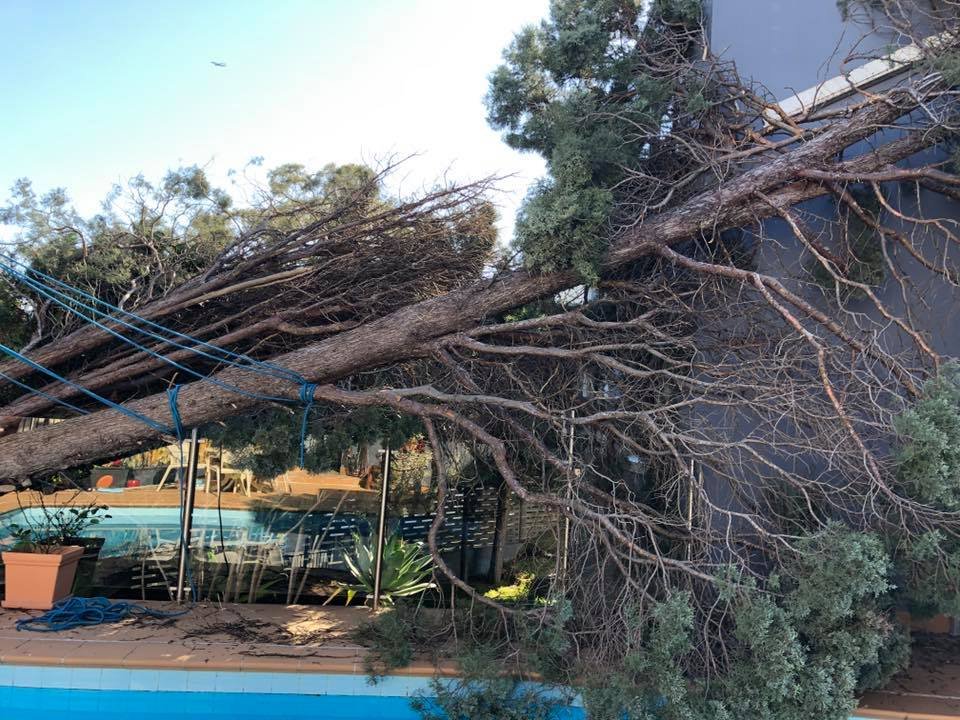
You know the feeling. A storm rolls over Castle Hill at 2am, the gum in your backyard groans like an old floorboard, and you spend the next morning staring at it over a flat white, wondering whether it’s fine or about to land on your Mazda. I’ve had that exact conversation with homeowners from Baulkham Hills to Kellyville more times than I can count, and the question is always the same: do I trim it, or does it have to go?
Here’s the short answer. A tree needs removal rather than pruning when it’s dead, structurally unsound, diseased beyond recovery, or posing a risk that no amount of trimming can fix. Everything else usually comes down to smart pruning. The tricky part is knowing which side of that line your tree sits on. Whether you’re researching tree removal Hills District options for the first time or you’ve been burnt by a dodgy quote before, this guide shows you what to look for.
Tree Removal vs Pruning: What’s the Real Difference?
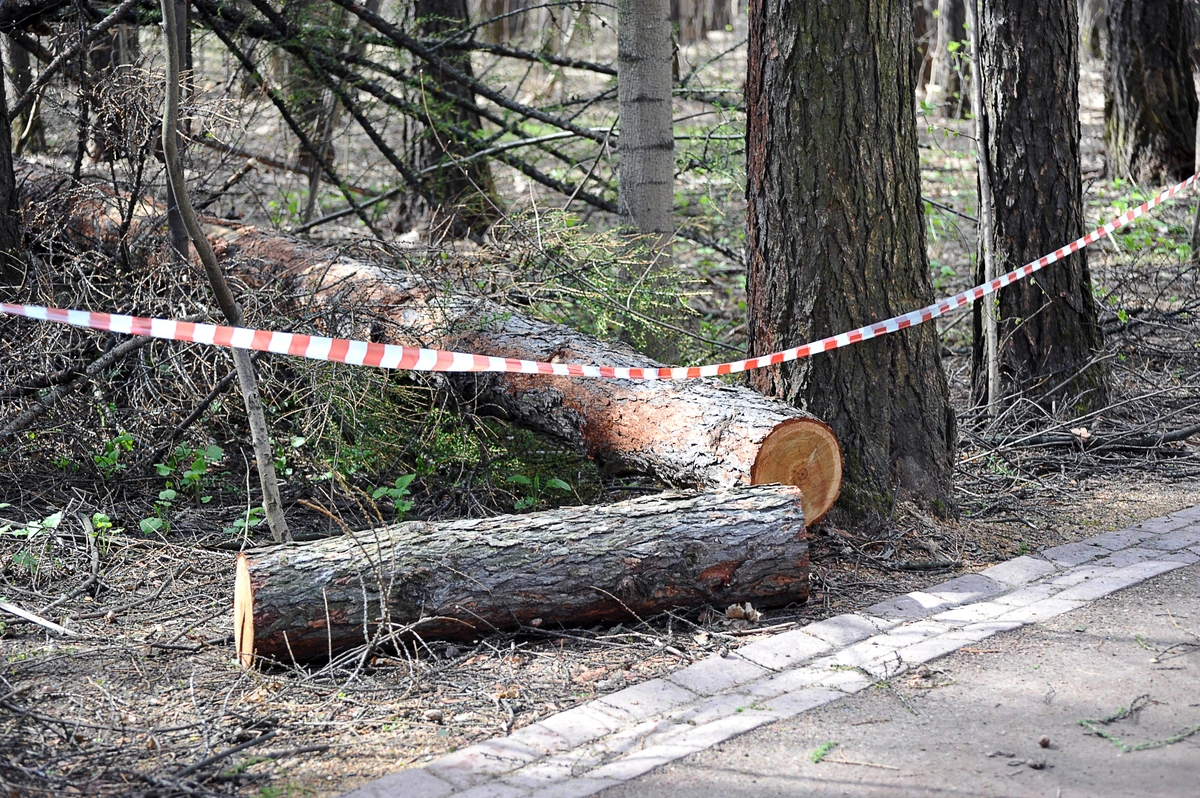
Let’s clear this up first, because plenty of people use the terms loosely. Pruning means selectively cutting branches to improve a tree’s health, shape or safety while keeping it alive and standing. Tree removal means taking the whole thing down, usually in sections, and often grinding the stump afterwards. Tree lopping, a term you’ll hear a lot around here, is the old-school version of heavy cutting, and most qualified arborists avoid it because hacking a tree back to stumps often does more harm than good.
Think of pruning as a dentist visit and removal as an extraction. A good dentist saves the tooth wherever possible, and a good arborist does the same with your tree. That’s why a reputable arborist Hills District homeowners trust will always start with an assessment rather than a chainsaw. If a quote for tree removal Hills District properties arrives without anyone actually looking at the tree, treat that as a red flag.
Warning Signs That Point to Tree Removal Hills District Homeowners Shouldn’t Ignore
Some trees give you a clear heads-up before they fail. Learning to read the signals can save you thousands, and possibly your roof. These are the ones I see most often across the Hills. If two or three show up together, tree removal Hills District arborists recommend becomes much more likely.
- Dead or dying canopy: Large sections with no leaves in the growing season, brittle twigs that snap cleanly, or bark peeling away in sheets.
- Major trunk cracks or splits: Vertical cracks running deep into the wood, especially where two stems join.
- Fungal growth at the base: Mushrooms or brackets on the trunk or roots often signal internal rot you can’t see from outside.
- New or worsening lean: A tree that has always leaned is often fine, but one that tilts after rain, with soil heaving at the roots, is a serious concern.
- Hollow trunk or extensive decay: Tap the trunk. A hollow sound, or visible cavities, means the structural wood is compromised.
- Root damage: Roots cut during building work or trenching can destabilise a tree months or even years later.
Notice what these have in common. Each one is about structure or health, not looks. A scruffy tree is a pruning job. A structurally compromised tree is a removal job, and that distinction is the heart of every good tree safety assessment.
When Tree Pruning Hills District Style Is the Smarter Move
Before you ring a crew to book tree removal Hills District wide, it’s worth knowing that many problems are solved with a good prune. Overhanging branches, crowded canopies, light blocked from your solar panels, deadwood above the driveway and limbs creeping toward power lines are all typical pruning jobs. Healthy trees also respond well to selective cutting, often growing back stronger and better shaped.
Professional tree pruning Hills District work follows Australian Standard AS 4373, which recommends against removing too much live canopy at once. As a rule of thumb, taking more than about a third of the foliage stresses a tree badly. So when someone offers to “just chop it all back” cheaply, remember that tree cutting Hills District style done wrong can slowly kill a tree, leaving you with a removal bill down the track anyway.
I once visited a Kellyville townhouse where a previous contractor had topped a beautiful jacaranda to save a few dollars. Two years later it was riddled with weak regrowth and decay, and the owner paid for removal on top of the original job. Cheap pruning is rarely cheap.
Dead Tree Removal and Dangerous Tree Removal: Why Waiting Is a Gamble
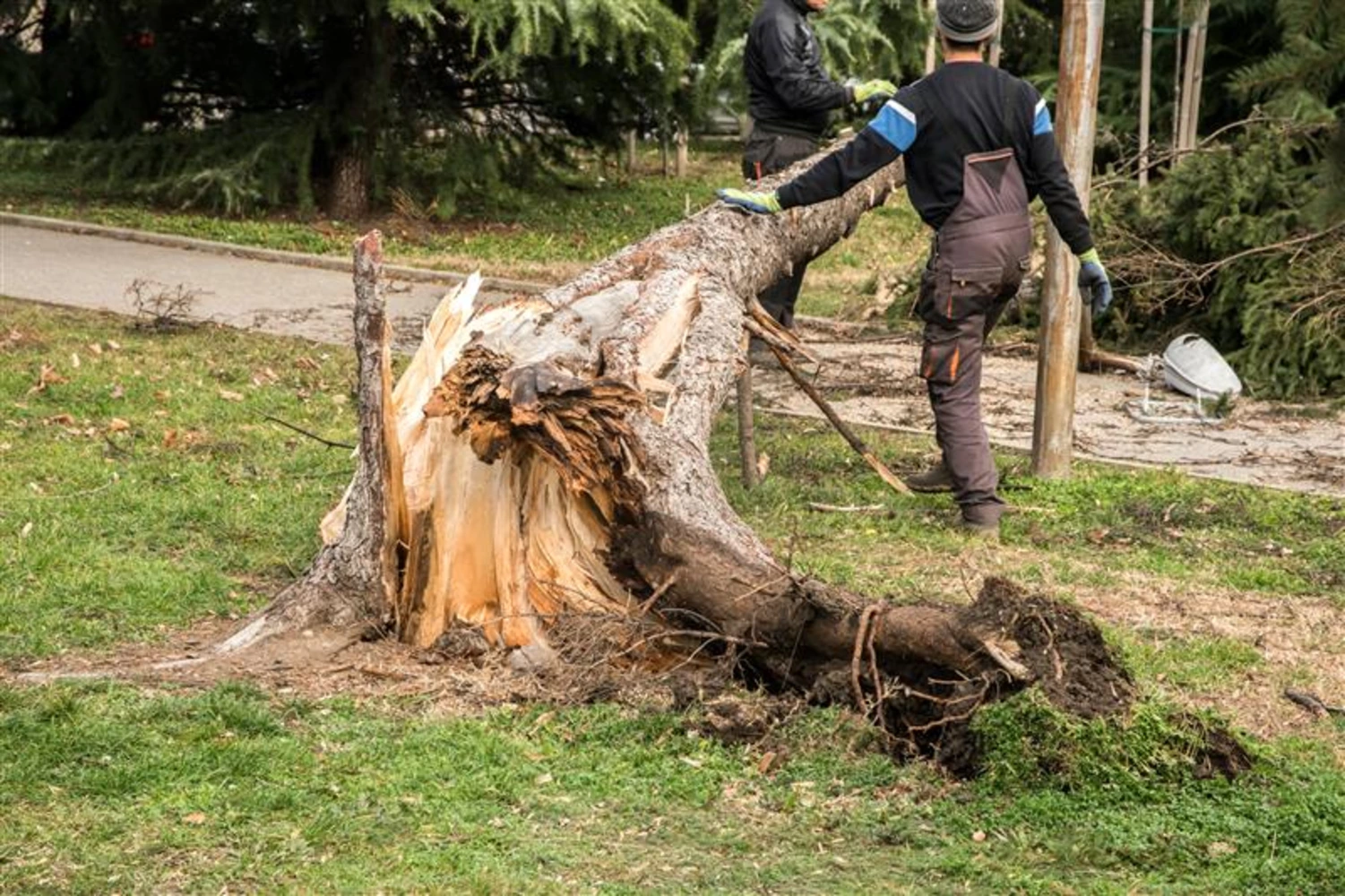
Some situations aren’t up for debate. Dead tree removal and dangerous tree removal sit firmly in the “sooner rather than later” category. A dead tree has no living tissue holding it together, so the wood turns brittle and unpredictable. Branches can drop without warning, even on calm days, and the whole tree can fail in the first decent gust.
The Hills makes this more urgent than most places. We get summer storms that arrive fast and hit hard, plus plenty of established eucalypts, which are famous for shedding limbs. Add bushfire-prone pockets around Dural, Glenhaven and Maraylya, and a dead tree becomes a fuel and safety issue as well as a falling hazard. The NSW Rural Fire Service explains the clearing rules in its 10/50 Vegetation Clearing Code of Practice, a useful read if your property sits in a designated area.
So when does a tree move from “keep an eye on it” to “get it down now”? If it’s dead, leaning toward a structure, split down the trunk, or has major limbs hanging after a storm, treat it as urgent. Professional tree removal Hills District crews handle these jobs safely with cranes, rigging and proper insurance, which matters when the tree is hovering over your house. For urgent tree removal Hills District residents shouldn’t delay.
Residential Tree Removal Hills District: What Happens on the Day
Residential tree removal sounds dramatic, but a well-run job is surprisingly calm. A good crew arrives, sets up an exclusion zone, and protects your lawn, fences and pool. The climber or crane operator then dismantles the tree piece by piece, lowering sections under control. Branches go through a chipper, and the timber is cut to size for you to keep or for the crew to haul away.
Tight Hills District blocks make this tricky. Homes sit close together, with pools, pergolas and powerlines in the way. That’s where experienced tree removal Hills District crews earn their keep, planning drop zones and rigging points before a single cut is made.
Afterwards, you’ve got a choice about the stump. Grinding takes it below ground level so you can lay turf or replant, while leaving it is cheaper but often becomes an eyesore or a trip hazard. Most homeowners I speak to choose grinding once they see the difference.


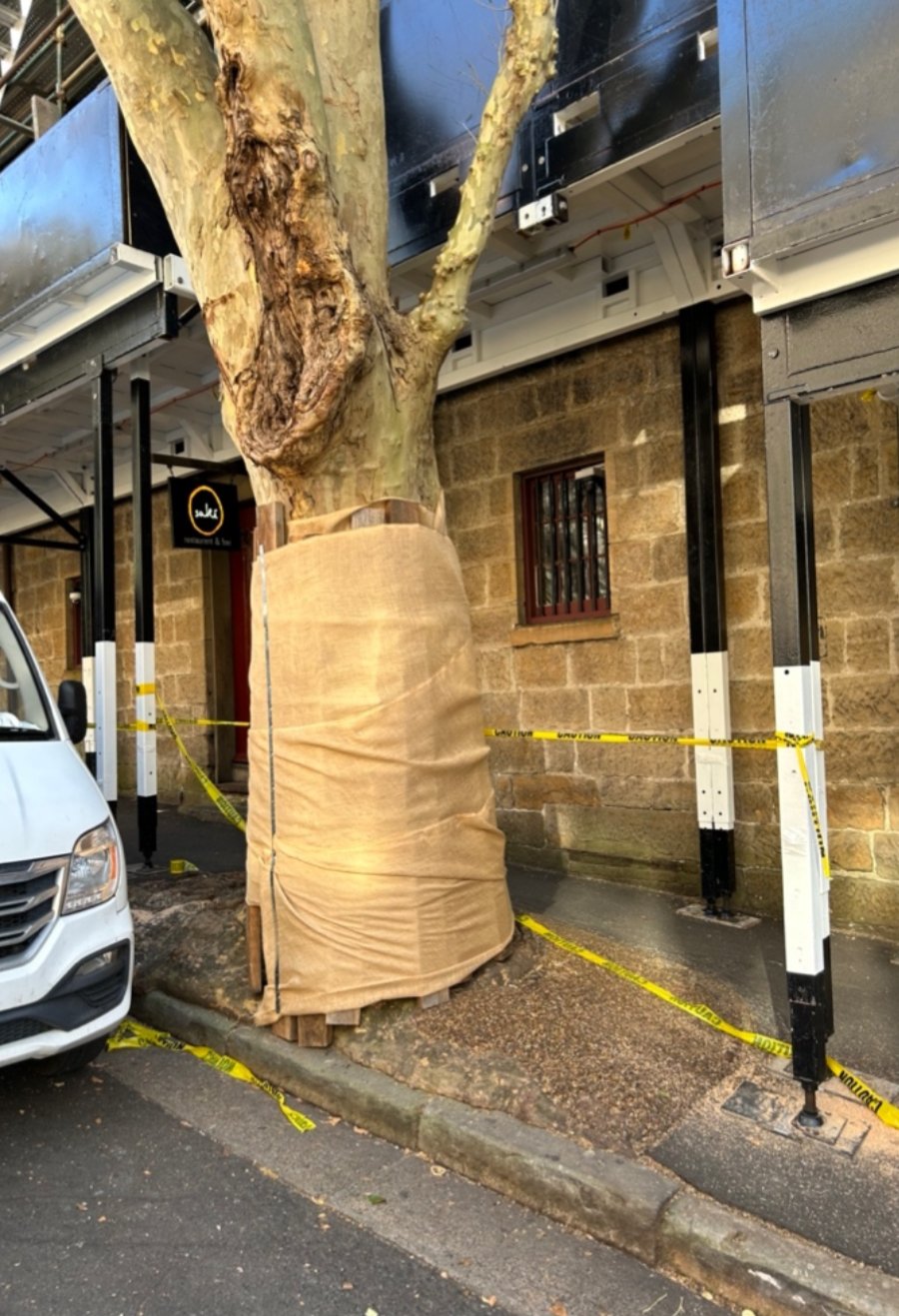
Council Tree Removal Approval: Do You Need Permission?
This is where plenty of people trip up. In most parts of the Hills, you can’t just cut down a tree because it’s on your block. NSW legislation and The Hills Shire Council’s planning controls decide which trees you can remove freely and which need approval first. Size, species, location, heritage value and proximity to dwellings all play a part, and bushfire-prone land has its own exemptions.
In practice, council tree removal approval is usually required for larger trees that aren’t clearly dangerous, trees in heritage or environmental zones, and certain protected native species. Emergency removal of a tree that’s an imminent risk is treated differently, but you’ll want evidence like an arborist’s report and photos. Get it wrong and you can face hefty fines, so check before you book tree removal Hills District wide.
The good news is you don’t have to figure this out alone. A qualified arborist can prepare the report council wants for tree removal Hills District applications and tell you whether yours is likely to be approved. When I assess a property, the question I hear most is, “Will council say yes?” My honest answer is that a well-documented case for a dead, diseased or unsafe tree nearly always gets there.
Tree Removal Cost Hills District: What You’ll Actually Pay
Let’s talk money, because nobody enjoys a surprise invoice. The tree removal cost Hills District residents pay depends on several things, and no honest company can quote accurately without seeing the tree. Roughly, a small, easy-access tree might cost a few hundred dollars, while a large eucalypt near a house, powerlines or a pool can run into the thousands. Anything needing a crane sits at the higher end.
| Factor | Why it affects the price |
| Tree size and height | Taller, wider trees take longer and need more rigging |
| Access | Narrow side gates and steep blocks mean more manual work |
| Proximity to hazards | Powerlines, roofs and pools demand extra care, often a crane |
| Tree condition | Dead or decayed wood is unpredictable and slower to dismantle |
| Stump grinding and waste | Extra services, plus how much timber is hauled away |
| Council paperwork | Reports and applications add time and cost |
Two practical tips for any tree removal Hills District booking. First, always get a written quote that spells out what’s included, including cleanup and stump work. Second, confirm your arborist holds public liability insurance and workers’ compensation, because an uninsured contractor’s mistake can land on you.
Tree Safety Assessment: The Step That Saves You Money
If you’re unsure which way to go, start with a tree safety assessment. It’s a proper inspection by a qualified arborist, who checks the canopy, trunk, root zone and surrounding site, then rates the tree’s risk level. It’s often the difference between paying for tree removal Hills District properties don’t actually need and spotting a genuinely hazardous tree before it fails.
A good assessment answers three questions. Is the tree healthy enough to keep? If it has defects, can pruning or cabling manage them? And if not, what’s the safest way to take it out? You’ll get a clear recommendation rather than a sales pitch, plus a written report that supports any council application. Think of it as a health check for your tree, with an honest answer at the end.
How to Choose a Professional Arborist for Tree Removal Hills District Jobs
Not all tree companies are equal, and the industry has its share of cowboys. When you search for tree removal services near me, you’ll find dozens of options, so here’s how to separate the pros from the pretenders. Look for formal qualifications, usually a Certificate III or higher in Arboriculture, plus current insurance and a track record of local work. Ask for recent jobs in suburbs like yours.
Pay attention to how they behave on the first call. A trustworthy arborist asks questions, visits the site, explains options and doesn’t push removal when pruning would do. If they quote over the phone for a big tree without a look, keep shopping. Local knowledge matters too, because a team that handles tree removal Hills District wide every week understands our soils, species and council expectations in a way an out-of-area crew can’t.
Also be wary of post-storm door-knockers. Book with a company that has a proper business address and reviews you can verify.
Tree Removal Hills District or Pruning? A Simple Decision Guide
Let’s pull it together. If your tree is healthy but untidy, overhanging or blocking light, pruning is almost always the right call. If it’s dead, structurally compromised, severely diseased, or sitting dangerously close to your home with no realistic fix, tree removal Hills District arborists recommend is the safer path. When it falls in the grey zone, a tree safety assessment will tell you which way to lean.
Timing matters too. Dangerous trees shouldn’t wait, while healthy trees can be pruned in most seasons. Booking before storm season peaks in spring and summer avoids the post-storm scramble when every crew in Sydney is flat out.
Conclusion
To sum it up, the choice between pruning and removal comes down to the tree’s health and structure, not its looks. Healthy, stable trees deserve careful pruning, while dead, diseased, split or dangerously positioned trees are better off gone. Understanding council tree removal approval, budgeting for the real tree removal cost Hills District homeowners face, and booking a tree safety assessment when you’re unsure will keep you safe, compliant and clear of cowboy contractors. Handled by a qualified arborist, tree removal Hills District properties need is a controlled, tidy job rather than a stressful one.
If you’re staring at a tree and wondering which category it falls into, don’t gamble. Contact All Hills Arbor today for an honest on-site assessment, a clear written quote and expert tree removal Hills District residents can rely on. Whether you need a careful prune, dead tree removal or urgent dangerous tree removal, our local team is ready to help. Call or send an enquiry, and we’ll get your property safe and looking its best.
Frequently Asked Questions
How do I know if my tree needs removal instead of pruning?
You’ll usually need tree removal Hills District arborists recommend when the tree is dead, heavily decayed, split through the trunk, leaning dangerously or damaged at the roots. Pruning suits trees that are structurally sound but overgrown. If you’re unsure, a tree safety assessment gives you a clear answer, and it’s far cheaper than guessing wrong.
Do I need council approval for tree removal Hills District properties?
Often, yes. It depends on the tree’s size, species, location and your property’s zoning, and bushfire-prone land has different rules. Council tree removal approval is generally needed for larger or protected trees, while clearly dead or imminently dangerous trees may be handled differently. Check with The Hills Shire Council or ask your arborist before any cutting starts.
How much does tree removal cost in the Hills District?
Prices vary widely because every tree and site is different. Small, accessible trees can cost a few hundred dollars, while large trees near houses or powerlines can run to several thousand. Access, height, condition, stump grinding and crane use all change the number, so always request a written quote after an on-site inspection.
Is tree lopping the same as pruning?
Not quite. Tree lopping usually means cutting a tree back heavily without regard for its natural shape or long-term health, whereas pruning is careful, selective and follows industry standards. Poor lopping can weaken a tree and shorten its life, so professional arborists prefer proper pruning wherever the tree can be saved.
How quickly can a dangerous tree be removed?
Emergency tree removal Hills District jobs can often be handled within a day or two, depending on the crew’s schedule and whether permits or power company coordination are required. Storm-damaged trees get priority because the risk is immediate. If a tree is touching your house or powerlines, keep clear and call a professional straight away.