You might be asking: what qualifies as an emergency tree service and when is it critical to call a professional? In Australia, a tree becomes an urgent risk when its condition or situation poses immediate danger to people, property, utilities or access.
Emergencies require swift, trained action — especially during storms, high winds or unexpected tree failures. Knowing the difference between routine tree work and urgent service can protect you, your family and your investment.
What Is an Emergency Tree Service?
An emergency tree service is specialised arborist work carried out without delay because a tree or its parts pose a clear and present danger. These situations demand professional solutions to make the site safe and stabilise risk.
Emergency services differ from routine maintenance because they prioritise immediate safety over scheduling later on.
Common Situations That Qualify as Emergency Tree Service
Here are the key scenarios that typically qualify:
1. Trees or Branches Falling After Severe Weather
Australia’s climate includes storms, winds, cyclones and heat stress that can weaken trees. After severe weather, large branches or trees may snap or lean dangerously. If a tree has fallen onto:
- Your house or roof
- Powerlines
- Vehicles
- Walkways or driveways
… it usually qualifies as an emergency because the risk is immediate and unpredictable.
2. Trees Leaning Unusually or Suddenly
A tree that suddenly leans more than normal — particularly towards:
- Your home
- A fence or shed
- A boundary line
- A pool area
… may indicate root failure, soil movement or internal decay. This unstable condition calls for urgent inspection and intervention.
3. Major Limbs Hanging Loose or Split
Big, cracked or hanging limbs are a serious hazard, especially in high‑use areas such as:
- Outdoor living spaces
- Play areas
- Car parks
- Front paths
A large limb that could fall at any time usually qualifies as an emergency.
4. Trees Impacting Essential Access or Emergency Routes
If a tree blocks access to your home, driveway, or emergency exit points, professional help is needed now to restore safe movement and prevent further risk.
5. Tree Damage Posing Utility Hazards
Trees touching or threatening:
- Powerlines
- Communication lines
- Water or gas infrastructure
are urgent safety hazards. Arborists trained in utility‑line risk management should handle these situations promptly and safely.
6. Trees Leaning After Root Disturbance
Construction, soil changes or damage to root systems can suddenly destabilise a tree. If roots are compromised and the tree is tilting, this often requires emergency service before the tree fails entirely.
Signs a Tree Problem Is a True Emergency
Knowing what qualifies as an emergency tree service also means recognising immediate danger signs, such as:
- Audible cracking in branches or trunk
- Sudden change in tree posture
- Soil heaving at the base
- Branches scraping rooflines or power cables
- Fallen trees blocking exits
If you see or hear these signs, delay can make the situation worse.
Why Emergency Tree Services Should Be Handled by Professionals
Emergency tree work is high‑risk. It often involves:
- Working near live powerlines
- Heavy, unstable branches
- Slippery or uneven ground
- Unpredictable tree behaviour
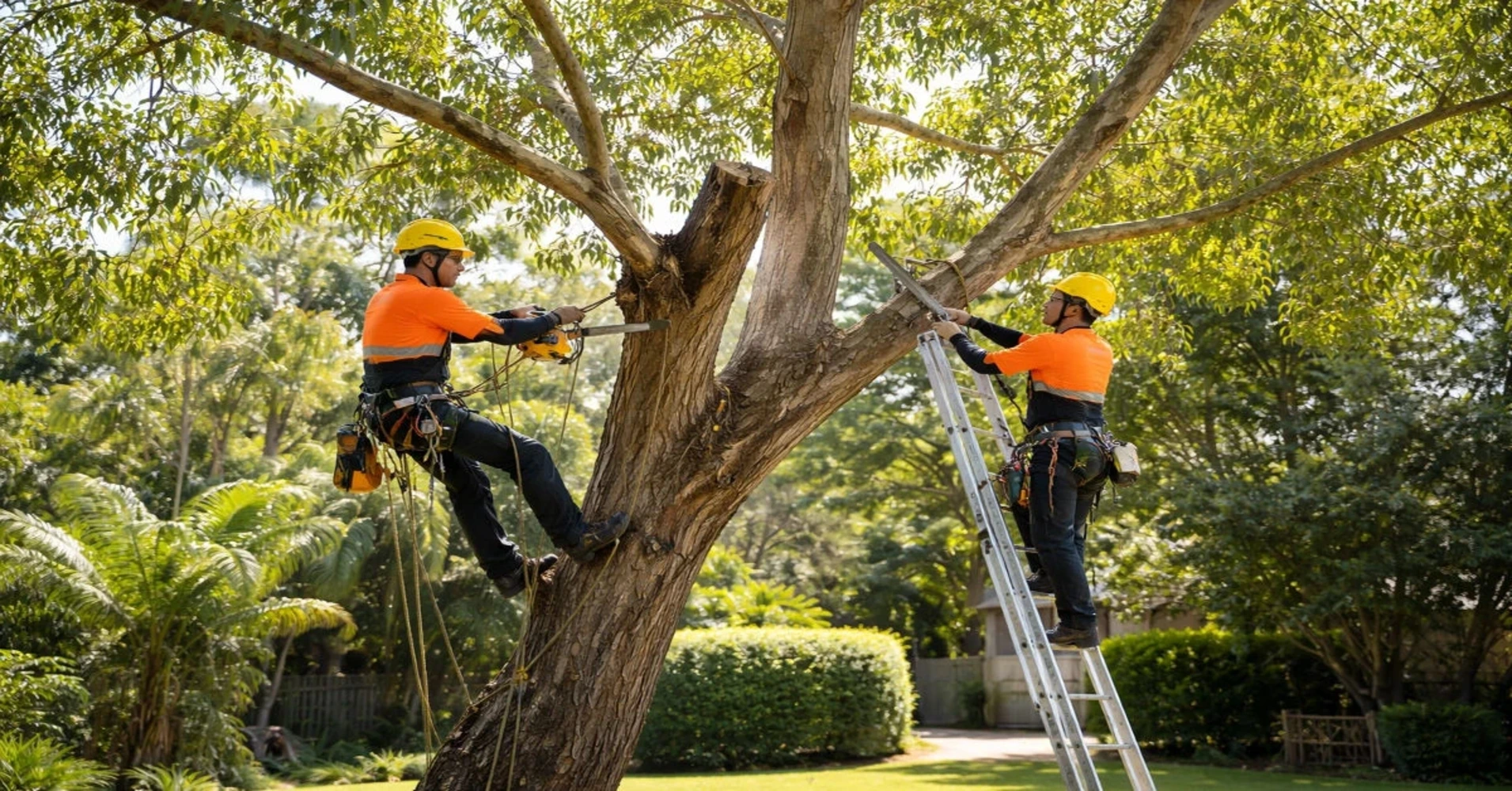
Professionals use specialised gear, safety rigging, exclusion zones and insurance protection. Attempting this work yourself or with unqualified helpers increases the chance of serious injury and property damage.
What Emergency Arborists Do on the First Visit
When you call for an emergency tree service, a qualified arborist will:
- Assess the risk: Detailed inspection of the tree’s condition and threats.
- Establish a plan: Prioritise safe removal or stabilisation steps.
- Set up safety zones: Keep people and pets out of danger.
- Use correct gear: From ropes and rigging to elevated platforms.
- Remove hazards: Safely section and remove unstable limbs or the whole tree.
- Provide follow‑up guidance: Advice on preventing future emergencies.
Time Is Critical in Emergencies
Emergency tree work isn’t best‑effort scheduling — it’s about immediate risk reduction. The longer an unstable tree or branch remains, the higher the chance of property damage or injury.
In many cases, waiting until normal business hours isn’t safe.
When It’s Not an Emergency
Not every tree issue needs emergency attention. For example:
- Routine pruning
- Seasonal shaping or thinning
- Trimming for aesthetics
- Inspection without visible risk
These tasks can be scheduled during normal arborist availability.
Understanding this distinction can help you manage expenses responsibly while still protecting your property.
Emergency Tree Service Response: What to Expect
When you engage professionals like All Hills Arbor for an emergency response:
- Quick, clear communication
- Prompt arrival (as conditions allow)
- Safety focused work
- Transparent explanation of risks and recommendations
Your arborist will also explain whether repeat work or ongoing maintenance is needed after the immediate hazard is addressed.
How Weather Influences Emergency Tree Needs
Australia’s weather patterns — from monsoonal rain in the north to strong coastal winds and inland dry periods — contribute to different tree stress conditions. After severe weather:
- Check for leaning trees
- Look for broken limbs
- Watch for soil upheaval
- Inspect surrounding areas for hazards
Prompt action after extreme weather reduces the chance of secondary damage.
Insurance and Emergency Tree Services
Many home insurance policies require:
- Evidence of hazard
- Professional assessment
- Proof work was necessary for safety
A certified arborist’s report can support claims, especially if the tree has damaged structures or blocked essential access.
How to Prepare for Future Tree Emergencies
You can proactively reduce future emergency risk by:
- Scheduling regular tree inspections
- Pruning to reduce heavy limbs
- Removing dead, damaged or diseased trees early
- Managing soil and root zone health
A qualified arborist helps identify risk long before it becomes a safety issue.
When to Call a Professional
If you’re still asking what qualifies as an emergency tree service in your situation — and you notice unstable trees, leaning trunks, blocked access, or hazards after weather events — it’s time to act promptly.
All Hills Arbor specialises in fast, safe emergency tree responses across Australian suburbs. The team combines experience, safety protocols and transparent pricing so you’re supported from first assessment to hazard removal.
Reach out 24/7 if you think your tree situation is urgent — don’t wait until it becomes a crisis.
Conclusion
Emergency tree services are about safety first. What qualifies as an emergency tree service in Australia includes storm damage, unstable lean, falling or cracked limbs, blocked access, and trees threatening utilities. These situations demand immediate, professional action.
Getting help from qualified arborists like All Hills Arbor ensures risks are managed, hazards removed safely and your property is protected — without unnecessary delay.
FAQ — Fast Answers to Common Questions
1. How fast can emergency tree services respond?
Response times depend on conditions and availability, but emergency teams aim to attend as soon as it’s safe and practical to do so.
2. Will my insurance cover emergency tree removal?
Many policies do, especially when the tree poses a safety threat or has caused damage. Always check your specific policy details.
3. Is damage from storms always an emergency?
If the tree or branches compromise safety or access, it generally qualifies. Non‑hazardous storm damage can wait for scheduled work.
4. Can I safely remove a dangerous tree myself?
No — emergency tree work is high‑risk and should always be handled by trained professionals with proper equipment.