A walk through the shady and green streets in Baulkham Hills will make you enjoy the shade and the green canopy above. Our city trees are literal lifelines which give shelter to birds and insects, shade our yards and even increase property values in the locales.
Trees, however, just like any other living thing need care to remain healthy. It is then that tree maintenance comes in. Pruning, watering, and checking the trees keep them healthy and alive.
Experts note that well-maintained urban forests “improve our health and wellbeing, reduce the impact of heat, and bring nature into the city”.
In Baulkham Hills’ warm summers and occasional storms, a little attention today pays off with safer, greener streets tomorrow.
The Benefits of Good Tree Care
Healthy trees are your investment in your yard and the community. Timely maintenance of trees contributes to better and longer lives of trees, their more attractive appearance, and numerous practical benefits:
Stronger, healthier trees:
Frequent Tree Care like cutting off dead, broken or diseased trees helps to keep the trees safe against pests and diseases. It also enables greater penetration of sunlight to the canopy, which makes the limbs of the trees stronger and enhances the health of the trees.
Safety first:
Branches might grow too large or be broken and thus dangerous. The correct Tree maintenance involves cutting out the trees that proliferate too near the roofs, driveways or powerlines, which can cause hazardous conditions during the storms and powerful winds.
Shaded, cooler gardens:
Trees in good conditions are like natural air conditioners. By regular Tree Maintenance, trees still give shade that is healthy, and this helps to cool homes, gardens, and outdoor areas during hot summer seasons.
Wildlife habitat:
Good Tree Maintenance ensures that the trees are healthy and at the same time they support the birds, insects and other local wildlife. The presence of healthy trees provides a habitat to pollinators, songbirds, and small animals in the neighbourhood in a safe environment.
Higher property appeal:
Having the right Tree Maintenance enhances the look of your landscape. Well maintained and trimmed trees are good to boost the curb appeal as well as the value of the property by giving the illusion that your home is well maintained.
Community pride:
Tree Maintenance will keep the streets clean and beautiful. Naturally maintained trees add to the beauty and character of the Baulkham Hills which makes the community a better place to live.
In a nutshell, there is a win-win in the case of regular Tree Maintenance. It maintains the well being of your trees, enhances safety and beauty and offers enduring rewards to both residents and to the community at large.
Essential Tree Maintenance Tasks for Healthy Trees
Keeping trees healthy isn’t rocket science – think of it as simple tree maintenance for your garden. Regular care helps trees grow stronger, look better, and stay safe around your property. Here are some key tree maintenance tasks to include in your routine:
Expert pruning at the right time is one of the most important parts of tree maintenance. Removing dead, damaged, or crossing branches helps protect the tree from rot and pests while also improving its overall shape and growth.
A skilled arborist can also thin the canopy so that air and sunlight reach all parts of the tree. As part of proper tree maintenance, most experts recommend pruning large trees in late winter or early spring to reduce stress on the tree. When pruning, always use clean, sharp tools and make cuts at the correct points so the tree heals properly.
Watering and Mulching:
Young trees can struggle in our hot, sometimes dry climate. Water heavily in long dry seasons instead of giving it a quick spurt and roots will be submerged in wetness. Coat the base with organic mulch to keep the soil moist and keep the temperature under control.
Fertilising & Soil Care:
Healthy soil is a tree’s pantry. In Baulkham Hills, many trees do fine without extra fertiliser if soil is in good shape. But if growth is weak or leaves look pale, a light application of tree-specific fertilizer or compost in early spring can help. Always water after fertilising.
Pest and Disease Checks:
Have your trees checked over on a seasonal basis. Examine leaves and branches closely to determine whether or not there are scale insects, wood-boring beetles, fungus or leathery leaves. Prevention is better than cure. You can frequently cull away a bad place or cure pests before they get away.
Structural Support:
Stake young or new trees the first 1 2 years, otherwise they will lean over in a wind. You can get out stakes when the roots are strong, so that the trunk will thicken.
Removing Debris:
Leaves and fruit may fall in the area and cause disease in the areas below the trees. Keep the area clean. In autumn especially, rake away leaf litter and fallen branches. This also stops pests overwintering near the roots.
Follow the Rules:
Baulkham Hills falls under The Hills Shire Council tree laws. According to the council’s Tree Management Guidelines, removing more than 10% of a tree’s foliage may require permission. You can learn more about these regulations on the council’s page about trees on private land. Even on your property, you may need council approval to take down large trees.
Regular upkeep doesn’t have to be overwhelming. Even simple tasks like watering and mulching during summer, and a yearly prune, go a long way in Baulkham Hills’ climate.
Keep notes on each tree: which ones you trimmed and when. Over a few years you’ll see steady improvement in canopy fullness and trunk strength.
Professional Help & Safe Practices
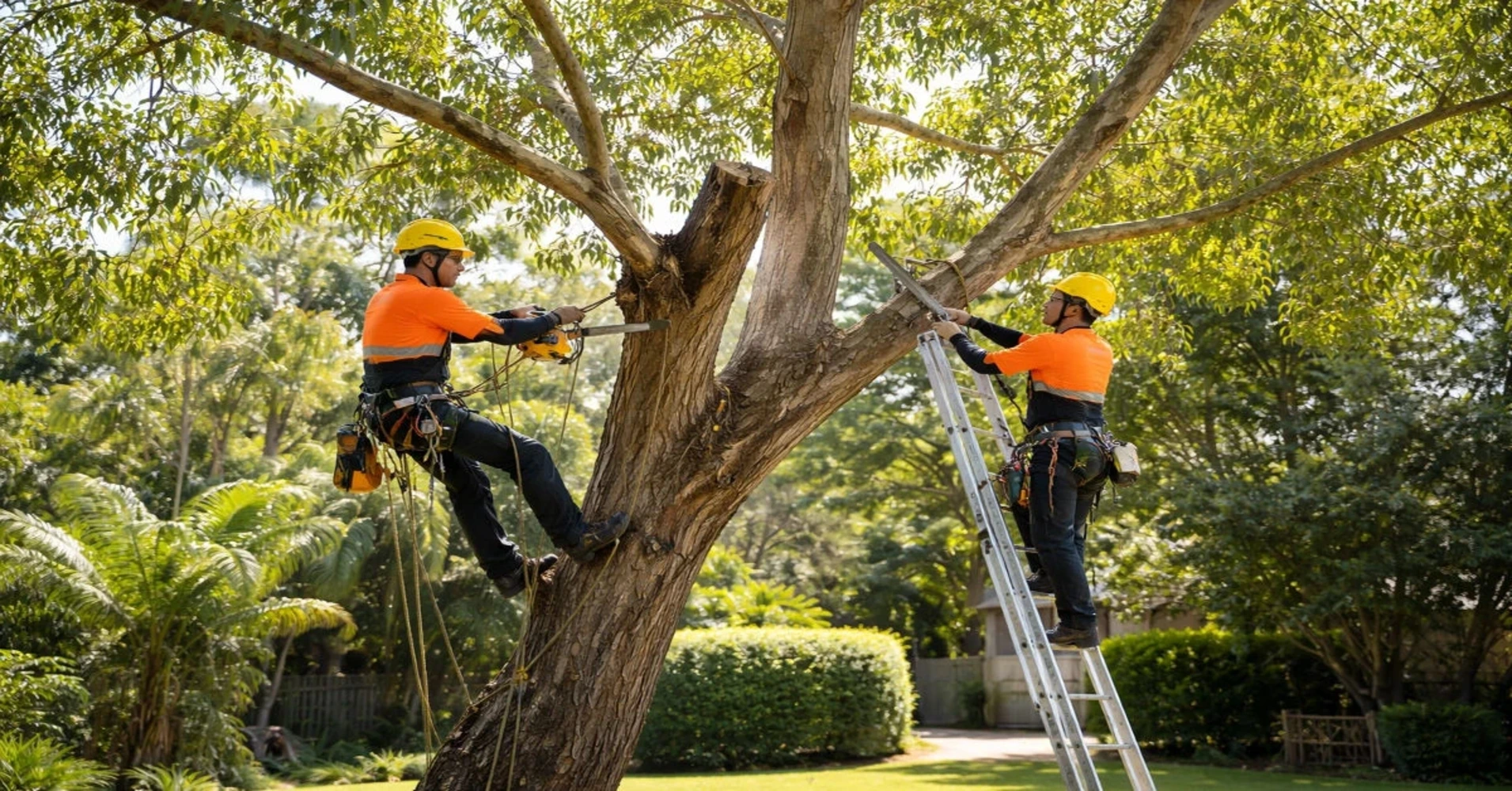
You don’t have to go it alone. Many tasks are safest with a qualified arborist. Certified arborists know how to prune to Australian standards, and they follow safety rules for working at height.
As Arb Culture notes, pros can “accurately diagnose the health of a tree” and remove branches safely, ensuring local regulations and the tree’s wellbeing are both respected.
It’s also about your safety. By getting rid of unstable limbs, you protect your family and home. Proper maintenance can prevent liability remembering that The Hills Shire Council can fine homeowners heavily for illegal tree lopping.
If you notice a large limb leaning oddly or a big split, don’t ignore it. Call an expert tree service; it’s cheaper than the hospital bill if a branch falls during the next storm!
When hiring help, look for accredited arborists. Bodies like Arboriculture Australia or the Tree Contractors Association of Australia keep lists of professionals. A certified arborist will have insurance and know how to meet council guidelines.
Seasonal Tree Care Schedule
Here’s a quick overview of tasks by season:
| Season | Key Tree Care Actions |
| Autumn (Mar–May) | Rake leaves and fruit from around trees. Prune any dead branches once trees become dormant. Clear debris to prevent fungal diseases. Apply mulch before winter rains. |
| Winter (Jun–Aug) | Perform structural pruning while trees are dormant (they heal faster in winter). Inspect overall health. Avoid heavy pruning of eucalypts until early spring. Fertilise nutrient-poor soil now if needed. |
| Spring (Sep–Nov) | Watch for new buds; lightly trim away rubbing or weak branches. Fertilise or top-dress soil in early spring to feed new growth. Check young trees for stake adjustments. |
| Summer (Dec–Feb) | Water deeply during dry spells, focusing on the root zone. Refresh mulch to conserve moisture. Monitor for heat stress or pests (e.g. aphids on new growth). Prune lightly to shape, but avoid removing large limbs in peak heat. |
Adapting to the seasons is part of good tree care. For instance, one arborist advises that winter dormancy is ideal for most pruning to reduce stress and infection risk. In contrast, summer is when trees need water and sun so mulching and regular watering become top priorities.
Conclusion:
In Baulkham Hills, a little tree maintenance goes a long way. By pruning smartly, watering in dry weather, mulching, and following council rules, you’ll enjoy stronger, more beautiful trees and avoid headaches down the line. Healthy trees mean cool, green gardens and safer streets.
Ready to put down that sunscreen and pick up the pruners? Start by giving your trees a quick health check today. And if you have doubts, call in a local arborist.
Need help maintaining your trees in Baulkham Hills? A qualified arborist can assess tree health, handle safe pruning, and ensure all work follows local council regulations. If you need professional support, consider hiring a certified arborist in Baulkham Hills to keep your trees healthy, safe, and well maintained.
FAQs
Q: What is tree maintenance and why is it important?
A: Maintenance of a tree refers to functions such as pruning, watering, mulching and checking up on your trees frequently. The reason is that it keeps the trees healthy and safe. Properly kept trees provide the best shade and increase in value of property.
Q: Which is the frequency of pruning my trees?
A: A good rule is to trim out most trees at least once in a year. It is best in winter or early spring. Such a schedule eliminates stress and infection. Nonetheless, there are species which might require more frequent attention.
Q: When should I water my trees?
A: Trees dry out in long dry spells, particularly in summer, young trees or natives. Trees that have been planted usually depend on rain water, however, prolonged droughts require watering. Mulch should be used at the base to help conserve water.
Q: What can I do to make my tree healthy at home?
A: Other than watering and pruning, compost or mulch should be applied to enrich the soil. Maintain cleanliness of soil around the trunk and remove any leaves and rubbish. By identifying pests or disease at the early stages, you are able to trim or treat the problem before it becomes widespread.