Most of us don’t spend much time thinking about the trees around our homes until one starts leaning a little too close for comfort. One minute your backyard feels like a peaceful retreat, and the next, you’re staring at a cracked branch hanging above your car like nature’s version of a suspense movie.
That’s where an Emergency Tree Service becomes essential. In Baulkham Hills, severe weather, ageing trees, hidden root problems, and unexpected structural failures can quickly turn a healthy-looking tree into a serious safety concern. Working with a trusted professional arborist service in Baulkham Hills helps property owners identify hazards before they become expensive emergencies.
Whether you’re dealing with a fallen branch after a storm, a tree leaning dangerously toward your roof, or sudden signs of decay, knowing when to call for urgent arborist assistance can make all the difference. In this guide, I’ll walk you through seven warning signs that indicate it’s time to seek professional help immediately.
Why Emergency Tree Problems Should Never Be Ignored
Trees are incredibly resilient, but they aren’t indestructible. When a tree becomes unstable, the consequences can be significant. A large branch can cause thousands of dollars in property damage within seconds. More importantly, unstable trees pose a real risk to people, pets, vehicles, and neighbouring properties.
An Emergency Tree Service is designed to respond quickly when immediate action is required. Unlike routine pruning or maintenance, emergency arborist services focus on urgent situations where delaying action could increase danger. Whether it’s a residential emergency tree service call or a commercial emergency tree service response, speed and expertise matter.
In many cases, a professional emergency arborist Baulkham Hills team can assess the situation, identify hidden structural weaknesses, and determine whether dangerous tree removal or stabilisation is the safest solution.
1. A Tree Is Suddenly Leaning More Than Before
One of the most obvious warning signs is a tree that begins leaning unexpectedly. While some trees naturally grow at slight angles, a sudden change often indicates root failure or soil instability.
After heavy rainfall, prolonged wet weather, or strong winds, root systems can weaken dramatically. A leaning tree may appear stable from a distance, but underground support could already be compromised. This creates a high-risk situation that may require urgent tree removal Baulkham Hills specialists.
If you notice exposed roots, lifting soil, or cracks developing around the base of the trunk, don’t assume the problem will resolve itself. These are classic indicators that a tree emergency response is needed immediately.
2. Large Branches Are Cracking or Hanging
We’ve all seen small branches fall during windy weather. That’s relatively normal. What isn’t normal is a large limb hanging over your driveway, roof, fence, or outdoor entertaining area.
A tree branch emergency removal situation often develops after storms, prolonged drought stress, pest infestations, or internal decay. The challenge is that damaged branches can remain suspended for days before eventually falling.
Common warning signs include:
- Visible cracks in major limbs
- Splitting branches after storms
- Branches hanging at unusual angles
- Sudden leaf loss on one side of the canopy
- Audible cracking sounds during windy conditions
These situations typically require an emergency tree cutting service because unstable limbs can fail without warning.
3. Storm Damage Has Left the Tree Unstable
Baulkham Hills residents are no strangers to severe weather. High winds, lightning strikes, intense rainfall, and sudden storms can create immediate tree hazards.
A storm emergency tree service is often required when structural damage isn’t immediately visible. A tree may still be standing after a storm, but hidden fractures inside the trunk can significantly increase the likelihood of failure.
If your property has recently experienced severe weather, it’s worth reviewing this comprehensive storm damaged tree guide in Baulkham Hills to understand the warning signs professionals look for during inspections.
Storm damaged tree removal is often necessary when major structural weaknesses threaten nearby buildings, vehicles, or public spaces. Acting quickly can prevent a manageable issue from becoming a costly disaster.
Understanding Emergency Tree Risks at a Glance
| Warning Sign | Potential Risk | Recommended Action |
| Sudden leaning | Tree collapse | Immediate inspection |
| Hanging branches | Falling limb injury | Emergency branch removal |
| Storm damage | Structural failure | Professional assessment |
| Root upheaval | Complete instability | Arborist evaluation |
| Trunk cracks | Tree splitting | Hazard assessment |
| Fallen trees | Property damage | Fallen tree removal service |
| Dead canopy sections | Unexpected branch failure | Emergency maintenance |
4. The Tree Has Major Trunk Cracks or Splits
Think of a tree trunk as the backbone of the entire structure. When that backbone becomes compromised, the risk level rises significantly.
Large vertical cracks, hollow cavities, splitting bark, or visible separation within the trunk often indicate advanced structural deterioration. These issues frequently develop over time but can accelerate rapidly following storms or extreme weather.
A hazardous tree assessment can determine whether the damage is superficial or whether immediate tree hazard removal is required. Professional arborists use specialised techniques to evaluate internal wood strength and overall stability.
Many property owners make the mistake of waiting until the crack becomes larger. Unfortunately, by that stage, the tree may already be approaching failure.
5. Roots Are Lifting, Exposed, or Damaged
The health of a tree often depends on what you can’t see. Root systems provide stability, nutrient absorption, and structural support. When roots become compromised, the entire tree can become dangerous.
Warning signs include:
- Soil lifting around the trunk
- Exposed root systems
- Cracked pathways nearby
- Sudden leaning after rain
- Construction damage near roots
If these symptoms appear, arranging a professional tree risk assessment in Baulkham Hills can help determine the severity of the problem before a complete failure occurs.
Root-related instability is one of the most common reasons for dangerous tree near house removal, particularly after prolonged periods of heavy rain.
The Importance of Professional Hazard Assessments
Many tree problems aren’t obvious to untrained eyes. What appears to be a healthy tree may contain extensive internal decay, pest damage, or structural weaknesses.
Professional arborists conduct tree damage inspection procedures using industry-approved assessment methods. These evaluations help identify risks before they become emergencies.
For property owners wanting additional information about tree safety and risk management, the Australian Government’s guidance on tree and vegetation safety management can provide useful background information.
The combination of professional expertise and proactive inspections often prevents the need for future emergency tree maintenance or costly property repairs.
6. A Tree Has Already Fallen on Your Property
Sometimes the warning signs are over before you even realise there was a problem.
When a tree falls across a driveway, home, fence, powerline corridor, or commercial premises, immediate action becomes necessary. A professional fallen tree removal service has the equipment and experience needed to safely dismantle and remove damaged timber.
This isn’t a DIY situation. Fallen trees can remain under significant tension, making cutting operations extremely dangerous without specialised training.
A qualified emergency tree clearing service can safely manage:
- Fallen branch removal
- Severe weather tree removal
- Storm damaged tree removal
- Large-scale debris clearing
- Hazard reduction works
Fast action helps restore safety while minimising further property damage.
7. Dead Sections Are Appearing Throughout the Canopy
Trees rarely fail without warning. In many cases, the canopy begins sending signals long before structural collapse occurs.
Dead branches, thinning foliage, fungal growth, insect infestations, and uneven leaf production can indicate significant health issues. While not every declining tree requires immediate removal, widespread dieback often warrants an emergency tree risk assessment.
An experienced emergency arborist services provider can identify whether the decline stems from disease, root damage, environmental stress, or internal decay.
If substantial portions of the canopy are dead, the likelihood of branch failure increases significantly, especially during strong winds. In these situations, proactive intervention is often safer and more cost-effective than waiting for a major incident.
What Happens During an Emergency Tree Service Call?
Many homeowners feel uncertain about what to expect when calling an Emergency Tree Service.
The process usually begins with a rapid site assessment. Arborists evaluate immediate risks, identify hazards, and determine the safest course of action. Depending on the situation, this may involve emergency tree cutting service operations, stabilisation measures, branch removal, or complete tree removal.
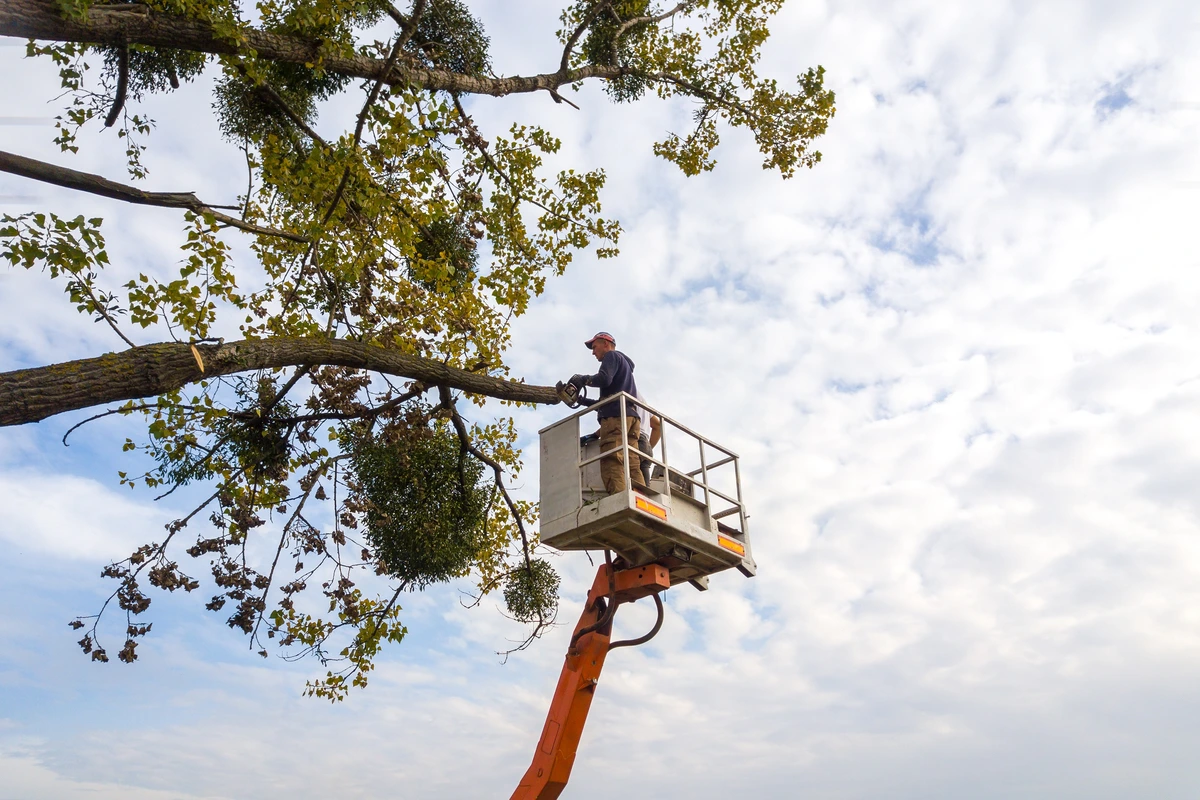
Modern arborists use specialised equipment, rigging systems, elevated work platforms, and safety procedures to manage complex emergencies efficiently. The goal is always the same: protect people, property, and surrounding vegetation while restoring safety as quickly as possible.
For businesses, commercial emergency tree service responses often focus on minimising disruption while ensuring compliance with workplace safety requirements.
Common Tree Species in Baulkham Hills That Often Require Emergency Tree Service
Not every tree responds to severe weather in the same way. In Baulkham Hills, certain species are more likely to require Emergency Tree Service due to their growth habits, root structures, or susceptibility to storm damage. Large gum trees, eucalyptus varieties, liquidambars, and ageing pine trees are commonly involved in emergency callouts following strong winds or prolonged rainfall.
Many mature trees develop hidden structural weaknesses as they age. While these trees can remain healthy for decades, environmental stress may increase the likelihood of branch failure or complete tree collapse. This is particularly true when root systems become compromised by soil movement, drought conditions, or nearby construction activity.
Understanding the characteristics of common local tree species helps property owners recognise risks early. Regular inspections and preventive maintenance can significantly reduce the likelihood of needing urgent tree removal Baulkham Hills services during severe weather events.
Why Local Expertise Matters in Baulkham Hills
Local emergency tree experts Baulkham Hills understand the area’s unique weather patterns, soil conditions, and common tree species. This knowledge allows them to respond more effectively when emergencies occur.
A local team can often arrive faster, assess risks more accurately, and recommend solutions tailored to local environmental conditions. Whether it’s a tree emergency response after a severe storm or an urgent arborist assistance request following structural failure, experience within the local area provides a valuable advantage.
For property owners, that means faster decisions, safer outcomes, and greater peace of mind.
Emergency Tree Service vs Routine Tree Maintenance: What’s the Difference?
Many homeowners are unsure whether they need immediate assistance or simply scheduled maintenance. The difference usually comes down to risk. Routine tree care focuses on long-term health through pruning, shaping, and preventive inspections. Emergency Tree Service, on the other hand, addresses situations where immediate action is necessary to protect people or property.
A tree with minor overgrowth may only require routine maintenance. However, a large branch hanging over a roof after a storm is a completely different scenario. Emergency arborist services are designed to respond quickly when delays could increase safety risks or property damage.
Understanding this distinction can help property owners make informed decisions. If there is any doubt about a tree’s stability, arranging a hazardous tree assessment is always the safest option. It’s far better to investigate a potential problem than to deal with the consequences of a preventable failure.
How to Stay Safe While Waiting for Emergency Tree Service
When a tree emergency occurs, your first instinct may be to inspect the damage closely. However, safety should always come first. Fallen branches, cracked trunks, and partially collapsed trees can shift unexpectedly, creating dangerous conditions for anyone nearby.
If possible, keep family members, visitors, and pets away from the affected area. Avoid attempting to cut branches or move damaged timber yourself, especially if power lines are nearby. Even experienced DIY enthusiasts can underestimate the forces involved when damaged trees are under tension.
While waiting for professional assistance, document visible damage with photographs and notify your insurance provider if necessary. A qualified tree emergency response team can then assess the situation safely and determine the most effective solution. Taking simple precautions during this waiting period can help prevent injuries and further property damage.
Conclusion
Trees add beauty, shade, and value to properties throughout Baulkham Hills, but they can also become serious hazards when warning signs are ignored. Sudden leaning, hanging branches, storm damage, trunk cracks, root instability, fallen trees, and canopy dieback are all indicators that professional attention may be required. Understanding these risks and acting quickly can protect your family, property, and surrounding community.
If you’ve noticed any of these warning signs, don’t wait for the situation to worsen. The experienced team at Hills Arbor can provide rapid assessments, emergency response solutions, and expert arborist advice when you need it most. To arrange urgent assistance, contact our emergency tree service team in Baulkham Hills today and restore safety to your property with confidence.
Frequently Asked Questions
What qualifies as an Emergency Tree Service situation?
An Emergency Tree Service situation involves any tree-related hazard that poses an immediate risk to people, property, vehicles, or infrastructure. Examples include fallen trees, hanging branches, storm-damaged trees, major trunk cracks, and unstable leaning trees.
How quickly should I call an arborist after storm damage?
You should contact an arborist as soon as it is safe to do so. Even if damage appears minor, hidden structural weaknesses may exist. Early assessment can prevent further damage and reduce overall repair costs.
Can a healthy-looking tree still be dangerous?
Yes. Internal decay, root failure, and structural weaknesses are often invisible from the outside. A tree may appear healthy while still presenting a serious risk. Professional inspections are the most reliable way to identify hidden hazards.
Is emergency tree removal covered by insurance?
Coverage varies depending on your policy and the circumstances involved. Many insurance providers cover damage caused by fallen trees during storms, but it’s important to check your specific policy details and notify your insurer promptly.
How can I reduce the risk of future tree emergencies?
Regular inspections, proactive pruning, tree damage inspection services, and ongoing maintenance help identify problems early. Preventive care is often far less expensive than responding to a major emergency.