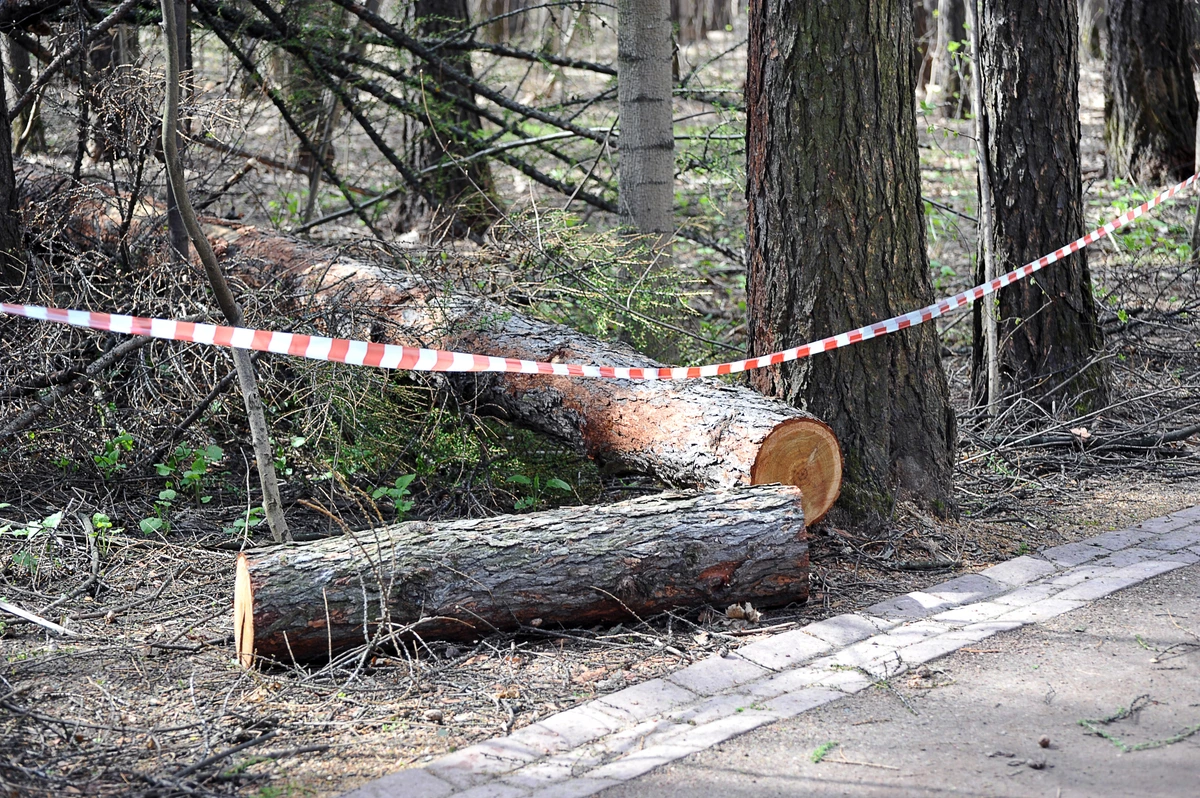
A dead tree rarely falls the day it dies. That’s exactly what makes it dangerous. It can stand quietly in your backyard for months, looking harmless while slowly becoming weaker with every storm, gust of wind and scorching Australian summer. Many homeowners put off Dead Tree Removal because the tree hasn’t caused a problem yet, but waiting often turns a manageable job into an expensive emergency.
If you’ve noticed a tree that looks lifeless or has started dropping large branches, now is the time to act. Investing in professional tree removal services can help you avoid costly repairs, insurance complications and serious safety hazards. Whether you own a family home in Baulkham Hills or manage an investment property in Castle Hill, removing a hazardous tree before it fails is always the smarter decision.
Across Sydney’s Hills District, mature eucalyptus and gum trees provide shade and character, but they also require ongoing care. When a tree dies, its structure changes rapidly. Branches become brittle, the trunk weakens internally, and the root system gradually loses its strength. What once added beauty to your property can quickly become a serious liability.
What Is Dead Tree Removal and Why Is It So Important?
Dead Tree Removal is the process of safely removing a tree that has completely lost its ability to grow or recover. Unlike routine pruning, this work focuses on eliminating trees that present an immediate or future risk to people, buildings and neighbouring properties.
Many property owners assume a dead tree can simply remain standing if it isn’t leaning. Unfortunately, that’s rarely true. Once a tree dies, it no longer produces healthy wood. Internal decay begins almost immediately, insects invade weakened timber and fungi accelerate decomposition. Eventually, even a tree that appears stable from the outside can fail without warning.
This is why professional dead tree removal services always begin with a thorough dead tree inspection. Experienced arborists assess the condition of the trunk, canopy, branches and root system before recommending the safest solution.
Dying Tree vs Dead Tree – Understanding the Difference
Many homeowners confuse a struggling tree with one that has already died. Knowing the difference helps you decide whether the tree can be treated or whether Dead Tree Removal is the safest option.
A dying tree may still produce leaves, new shoots or seasonal growth, even though it shows signs of stress. Dead trees, on the other hand, have stopped growing altogether and cannot recover naturally.
Some common signs include:
- No leaves during the growing season.
- Large sections of brittle branches.
- Bark peeling away from the trunk.
- Deep cracks or cavities.
- Mushrooms or fungal growth around the base.
- Hollow sounds when the trunk is gently tapped.
While some of these symptoms can also indicate disease, only an experienced arborist tree inspection can determine whether the tree is still alive or has become structurally unsafe.
For homeowners considering dead tree removal Baulkham Hills or dead tree removal Castle Hill, an early assessment often prevents much larger problems later.
Why Dead Trees Become More Dangerous Over Time
Think of a dead tree like an old timber fence that’s been exposed to rain for years. From a distance it might look solid, but one good push reveals just how weak it has become.
The same process happens inside dead trees.
Moisture enters through cracks in the bark, encouraging fungal decay. Insects such as borers and termites feed on weakened wood, creating tunnels throughout the trunk. The roots slowly rot underground, reducing the tree’s ability to stay anchored during heavy rain or strong winds.
This gradual deterioration means the risk increases every month the tree remains standing.
A dead gum tree removal project is often far safer when organised early than after the tree has already begun splitting or leaning. Large eucalyptus species commonly found throughout Baulkham Hills can weigh several tonnes, making even a single falling branch capable of causing major damage.
If severe weather is approaching and your tree already shows signs of failure, reviewing this guide to emergency tree removal can help you understand when urgent action is required.
Safety Risks of Delaying Dead Tree Removal
Safety should always come before convenience.
One of the biggest misconceptions is that trees fall only during storms. In reality, many dead trees collapse on calm days because internal decay eventually reaches a tipping point.
The most common safety risks include:
- Falling branches striking people.
- Entire trunks collapsing onto homes.
- Damage to parked vehicles.
- Power line interference.
- Injuries to children or pets playing nearby.
- Blocked driveways and emergency access.
These hazards become even greater when the tree stands close to neighbouring properties or public footpaths.
Residential tree removal is often recommended before these risks escalate, particularly when trees are located within falling distance of homes, garages or outdoor entertaining areas.
The Hidden Property Damage Most Homeowners Never Expect
When people think about tree damage, they usually imagine a branch crashing through the roof. While that certainly happens, many of the most expensive problems are less obvious.
A dead tree can gradually damage fences, retaining walls, sheds and paved areas as unstable roots shift beneath the ground. Large limbs may scrape roofs during windy weather, break gutters or crack solar panels long before the tree eventually falls.
Even if nothing has happened yet, insurers and qualified arborists recognise these warning signs as indicators of an unsafe tree removal situation waiting to happen.
One of the smartest investments you can make is arranging an inspection with a qualified arborist in Baulkham Hills . A professional assessment identifies structural weaknesses early, helping you decide whether monitoring, pruning or complete Dead Tree Removal is the safest course of action.
Property owners who act early usually spend far less than those forced into emergency repairs after storm damage.
Why Professional Assessment Matters Before It’s Too Late
Not every tree that looks unhealthy needs immediate removal. Some trees can recover with proper care, while others have already reached the point where they pose an unacceptable risk.
This is why experienced arborists rely on a detailed dead tree assessment rather than appearances alone. They examine canopy health, trunk integrity, root stability and surrounding environmental factors before recommending hazardous tree removal or ongoing monitoring.
For homeowners searching for tree removal near me or local tree removal experts, choosing a qualified professional means you’re receiving advice based on safety, industry standards and long-term property protection-not guesswork.
By understanding the difference between a declining tree and one that has become structurally dangerous, you can make informed decisions that protect your family, neighbours and investment.
Insurance Risks of Delaying Dead Tree Removal
Many homeowners assume their insurance policy will automatically cover any damage caused by a fallen tree. In reality, it’s not always that simple. If an insurer determines that the tree was clearly dead or hazardous before it failed, they may investigate whether reasonable maintenance was carried out. Delaying Dead Tree Removal after obvious warning signs can complicate a claim and potentially leave you responsible for repair costs.
Insurance providers generally expect property owners to take reasonable steps to minimise preventable risks. If a dead tree has been neglected despite visible decay, falling branches or a previous arborist recommendation, you may have difficulty demonstrating that adequate maintenance was undertaken. Every policy is different, so it’s always worth reviewing your Product Disclosure Statement (PDS) and speaking with your insurer if you’re unsure about your responsibilities.
For homeowners in Baulkham Hills and Castle Hill, arranging regular dead tree inspection and timely maintenance is one of the easiest ways to reduce both financial and safety risks.
Who Is Responsible for a Dangerous Dead Tree?
If a dead tree stands entirely within your property boundary, the responsibility for maintaining it generally rests with you. That responsibility doesn’t disappear simply because the tree has remained standing for years.
A hazardous tree can affect more than your own home. Falling branches may damage neighbouring fences, parked vehicles or even public infrastructure. If a neglected tree causes avoidable damage, disputes with neighbours and insurers can quickly become stressful and expensive.
Whether you’re concerned about a mature gum tree or another large species, organising a professional dead tree assessment before problems arise is always the safer option.
Dead Gum Tree Removal Requires Specialist Experience
Across the Hills District, eucalyptus trees are a familiar part of the landscape. They’re beautiful, resilient and provide valuable habitat for wildlife. However, once they die, they can become one of the most unpredictable trees to remove safely.
Dead gum tree removal often involves brittle limbs that can snap without warning. Internal hollows, hidden decay and unstable root systems increase the complexity of the work, particularly when trees are located close to homes, driveways or powerlines.
Rather than treating every removal the same, experienced arborists assess factors such as:
- Tree height and canopy spread.
- Structural decay within the trunk.
- Root stability.
- Proximity to buildings and neighbouring properties.
- Access for specialised equipment.
Every site is different, which is why professional planning is essential before beginning any hazardous tree removal project.
When Emergency Dead Tree Removal Becomes Necessary
Sometimes there isn’t the luxury of planning weeks ahead. Severe storms, lightning strikes or sudden structural failure can turn a standing dead tree into an immediate danger overnight.
Emergency dead tree removal may be required if:
- The tree begins leaning suddenly after heavy rain.
- Large branches have already fallen.
- Cracks appear through the trunk.
- The tree is threatening a home, driveway or public road.
- Roots have lifted significantly from the ground.
Waiting in these situations only increases the likelihood of injury or property damage. Acting quickly allows trained professionals to secure the area and remove the danger before conditions worsen.
Why a Tree Safety Inspection Can Save Thousands
One of the biggest misconceptions is that tree removal is only necessary after obvious damage occurs. In reality, preventative maintenance is almost always less expensive than emergency work.
A professional tree safety inspection identifies structural weaknesses long before complete failure occurs. During an inspection, an arborist evaluates canopy health, trunk condition, root stability and environmental factors that may increase the likelihood of failure.
If additional evaluation is required, arranging a professional tree risk assessment provides a more detailed understanding of the tree’s condition and helps determine whether monitoring, pruning or complete Dead Tree Removal is the safest solution.
For additional guidance on managing trees safely around your property, the Safe Work Australia website provides useful information about working safely around trees and hazardous outdoor environments.
Dead Tree Removal vs Waiting – Which Costs More?
While delaying removal may seem like a way to save money, it often leads to significantly higher expenses.
| Remove the Tree Early | Delay Dead Tree Removal |
| Planned scheduling | Emergency call-out fees |
| Lower removal costs | Complex hazardous removals |
| Reduced property risk | Roof, fence and vehicle damage |
| Greater safety | Increased injury risk |
| Better peace of mind | Potential insurance complications |
Most homeowners discover that proactive maintenance costs far less than dealing with storm damage, emergency contractors and unexpected repairs.
Why Local Knowledge Matters in Baulkham Hills and Castle Hill
Tree species, weather conditions and local landscapes all influence how trees behave over time. That’s why choosing local tree removal experts offers advantages beyond simply owning the right equipment.
A certified arborist Baulkham Hills understands the common eucalyptus species throughout the Hills District, recognises how prolonged dry periods affect tree health and knows the safest techniques for residential tree removal in built-up suburban areas.
Local experience also helps identify risks that may not be obvious to homeowners, including underground root failure, hidden trunk decay and trees affected by previous storm damage.
When searching for reliable dead tree removal services, experience, qualifications and safety procedures should always carry more weight than choosing the cheapest quote.
Conclusion
Delaying Dead Tree Removal might seem harmless today, but the risks increase with every passing season. A dead tree doesn’t recover, and as decay progresses, the likelihood of falling branches, structural failure, costly property damage and insurance complications continues to grow. Acting early protects your family, your home and your investment while giving you confidence that your property remains safe throughout the year.
If you’ve noticed signs of decay or you’re unsure whether a tree is still structurally sound, don’t wait until the next storm makes the decision for you. Contact All Hills District Tree Services to arrange a professional assessment and Request a Free Dead Tree Removal Quote . Our experienced team provides reliable, safe and professional Dead Tree Removal throughout Baulkham Hills, Castle Hill and the surrounding Hills District, helping you resolve potential hazards before they become expensive emergencies.
Frequently Asked Questions
How can I tell if a tree is dead or just unhealthy?
A tree that is dying may still produce leaves, flowers or new shoots, whereas a dead tree has permanently stopped growing. Signs such as brittle branches, peeling bark, hollow sections and fungal growth often indicate the tree has died. A professional arborist tree inspection is the most reliable way to confirm its condition.
Is Dead Tree Removal always necessary?
Not every unhealthy tree requires removal, but a tree that has completely died often becomes structurally unstable over time. If the tree poses a risk to people, buildings or neighbouring properties, removal is generally the safest long-term solution.
Can I remove a dead tree myself?
Small trees may appear manageable, but dead trees behave unpredictably because weakened timber can break unexpectedly. Professional tree removal specialists have the equipment, training and experience needed to remove hazardous trees safely while protecting surrounding property.
How often should I arrange a tree hazard inspection?
For mature trees close to homes, fences or driveways, an inspection every few years-or sooner after major storms-is a sensible approach. If you notice cracks, falling branches or significant dieback, arrange a dead tree inspection as soon as possible.
Why should I choose a qualified arborist instead of a general contractor?
Qualified arborists understand tree biology, structural stability and safe removal techniques. They can accurately determine whether a tree can be retained, requires pruning or should be removed completely, helping homeowners make informed decisions based on safety rather than guesswork.