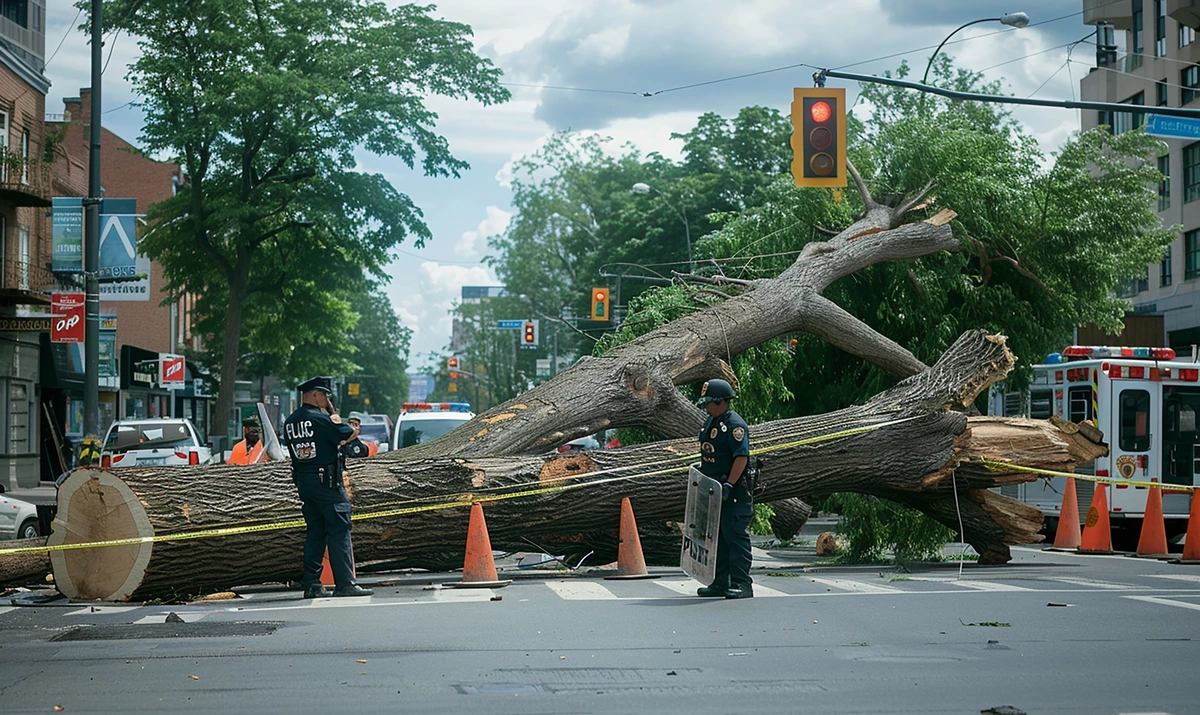
Heavy rain has a way of changing everything overnight. One evening your backyard is peaceful, and by morning there’s a large branch across the driveway, a leaning gum tree near the fence, or worse, a tree resting on the roof. In Baulkham Hills, where intense rainfall and storms can quickly saturate the soil, damaged trees are more common than many property owners realise. When safety is at stake, knowing the right steps to take can make all the difference.
If you’re dealing with a dangerous tree, acting quickly is essential, but rushing in without a plan can create even bigger risks. Professional Emergency Tree Services are designed to respond rapidly, secure the area, and remove hazardous trees safely before they cause further damage. Whether it’s a fallen tree blocking access or a tree that’s become unstable after prolonged rain, getting expert help early is always the smartest move.
At Hills Arbor, we’ve seen how unpredictable Australian weather can be. From small suburban gardens to larger residential properties, every storm leaves behind a different story. The good news is that with the right advice and an experienced emergency arborist, you can protect your family, minimise property damage, and restore your outdoor space without unnecessary stress.
Why Heavy Rain Creates a Higher Risk of Emergency Tree Removal
Most people expect strong winds to bring trees down, but heavy rain alone can be just as destructive. When soil becomes waterlogged, tree roots lose the firm support they rely on. Even healthy-looking trees may begin to lean, while older or weakened trees become far more likely to collapse.
This is why Emergency Tree Removal becomes necessary after extended rainfall. The problem isn’t always visible from the ground. Roots hidden beneath the surface may have shifted, cracked, or partially failed without any obvious warning signs. A tree can appear stable one moment and suddenly give way the next.
Different tree species also respond differently to prolonged wet weather. Large eucalyptus trees, mature pines, and broad-canopy shade trees commonly found throughout Baulkham Hills can become particularly vulnerable once the surrounding soil loses its strength. Add saturated branches carrying extra water weight, and the risk increases even further.
Storm-related damage isn’t limited to trees that have already fallen. Many require hazardous tree removal because they’re hanging over homes, driveways, power lines, or neighbouring properties. In these situations, waiting even a few extra hours can significantly increase the chance of serious damage.
A qualified certified emergency arborist doesn’t simply remove what’s already fallen. They assess structural stability, identify hidden hazards, and determine whether immediate removal, pruning, or temporary stabilisation is the safest option. This professional assessment often prevents secondary incidents that property owners may never see coming.
The First Things You Should Do After Finding a Storm-Damaged Tree
Finding a damaged tree after heavy rain can be alarming. Your first instinct might be to grab a chainsaw or start moving broken branches. While that’s understandable, it’s rarely the safest decision. Trees under tension can shift unexpectedly, making DIY removal extremely dangerous.
The safest response follows a simple priority:
- Stay well clear of damaged or leaning trees.
- Keep children, pets, and vehicles away from the affected area.
- Never touch branches that may be in contact with electrical wires.
- Photograph the damage if insurance documentation may be required.
- Contact an experienced emergency tree service as soon as possible.
These first few steps reduce unnecessary risk while giving professionals the information they need to respond quickly.
If the tree is blocking access to your property or threatening nearby structures, urgent tree removal may be required the same day. Experienced crews use specialised equipment to remove damaged sections safely while protecting nearby buildings, gardens, and utilities.
In situations where the damage appears less severe, don’t assume everything is safe simply because the tree is still standing. Hidden cracks, split trunks, and compromised root systems often become apparent only during a professional inspection. In many cases, a prompt assessment prevents a much larger emergency later.
For situations where complete removal is the safest option, professional Tree Removal Services provide controlled dismantling techniques that minimise risk to surrounding property while ensuring the tree is removed efficiently.
Warning Signs That Mean You Shouldn’t Wait
Not every damaged tree falls immediately. Some remain standing for hours or even days before eventually failing. That’s exactly what makes them dangerous. Recognising the warning signs early can help you arrange Emergency Tree Removal before the situation becomes more serious.
Several indicators suggest a tree may no longer be structurally stable:
- A sudden lean that wasn’t there before the storm.
- Large cracks appearing in the trunk.
- Exposed or lifted roots around the base.
- Heavy branches hanging over buildings or roads.
- Soil lifting or splitting around the root zone.
- Fresh creaking or cracking sounds during windy conditions.
These warning signs often indicate hidden structural damage that continues to worsen even after the rain has stopped. Many homeowners assume the danger has passed once the weather clears, but that’s often when weakened trees begin to fail.
This is particularly true following storm emergency tree removal situations, where nearby trees may also have suffered unseen damage. An experienced arborist can identify secondary hazards before they become emergency call-outs, helping property owners avoid costly repairs and unnecessary risk.
When Is Emergency Tree Removal Better Than Waiting?
Not every damaged tree needs to come down immediately, but some situations simply can’t wait. The challenge is knowing the difference. A tree that looks stable from the front yard may have suffered extensive root failure beneath the surface, while another with a few broken branches might only need careful pruning.
A professional assessment removes the guesswork. Arborists evaluate the tree’s structure, root stability, canopy condition, surrounding hazards, and likelihood of failure. This ensures the right solution is chosen instead of removing a tree unnecessarily or leaving a dangerous one standing.
If any of the following situations apply, Emergency Tree Removal is usually the safest option:
- The tree has fallen onto a house, garage, fence, or vehicle.
- Large branches are hanging dangerously overhead.
- The trunk has split or twisted after heavy rain.
- Roots have lifted from the ground, causing the tree to lean.
- The tree is threatening power lines, roads, or neighbouring properties.
- Access to your home or driveway has been blocked.
On the other hand, if the damage is limited to a few small limbs and the tree remains structurally sound, an experienced arborist may recommend pruning, monitoring, or scheduled maintenance instead of complete removal. That’s why a professional inspection is always worth arranging before making a final decision.
Why a Tree Risk Assessment Can Prevent the Next Emergency
One of the biggest mistakes property owners make is focusing only on the tree that has already failed. After prolonged rain, nearby trees may also have weakened root systems, hidden trunk fractures, or internal decay that isn’t immediately visible.
A professional Tree Risk Assessment helps identify these hidden issues before they become dangerous. Instead of reacting to the next storm, you’re making informed decisions that reduce future risk.
During an assessment, a certified emergency arborist typically examines:
- Root stability and soil movement.
- Trunk cracks, decay, and structural defects.
- Branch attachments and canopy balance.
- Evidence of fungal disease or internal deterioration.
- Potential hazards to nearby buildings, fences, roads, and pedestrians.
Think of it like getting your car serviced before a long road trip. You hope nothing is wrong, but you’d rather discover a problem in the workshop than on the motorway. Trees deserve the same proactive approach, particularly after periods of intense rainfall.
Emergency Tree Removal vs Standard Tree Removal
Many people assume all tree removal services are the same, but emergency work is a completely different process. Timing, safety risks, specialised equipment, and planning requirements all change when a tree has become unstable after heavy rain.
| Feature | Emergency Tree Removal | Standard Tree Removal |
| Response Time | Immediate or same day | Scheduled appointment |
| Typical Situation | Storm damage, fallen or dangerous trees | Planned landscape management |
| Safety Risk | High and unpredictable | Usually low and controlled |
| Equipment Required | Emergency rigging, cranes, traffic control if required | Standard arborist equipment |
| Priority | Protect people and property immediately | Improve property or remove unwanted trees |
Because emergency jobs involve unstable trees, every cut must be carefully planned. Branches under tension can move suddenly, and damaged trunks may split without warning. This is why trained crews follow strict safety procedures rather than simply cutting the tree from the bottom up.
When you need same day tree removal, experience matters just as much as equipment. A well-prepared team can stabilise the area, remove hazards efficiently, and minimise disruption to your property.
What Does Emergency Tree Removal Cost in Baulkham Hills?
One of the first questions homeowners ask is how much Emergency Tree Removal will cost. The honest answer is that no two emergencies are exactly alike. A small fallen tree in an open backyard is very different from a large eucalyptus leaning over a family home.
Several factors influence the final price, including:
- Tree size and species.
- Level of storm damage.
- Ease of access for machinery.
- Proximity to buildings or power lines.
- Equipment required, such as cranes or elevated work platforms.
- Whether the work is needed outside normal business hours.
While emergency tree removal cost is naturally higher than routine tree work due to the urgency and additional safety measures involved, delaying the job often leads to even greater expenses. A damaged roof, broken fence, crushed vehicle, or injured person can cost significantly more than arranging prompt professional assistance.
A reputable company will inspect the site, explain the risks clearly, and provide transparent pricing before work begins whenever circumstances allow.
How Hills Arbor Responds During Tree Emergencies
When every minute matters, having a structured response makes all the difference. At Hills Arbor, emergency call-outs follow a process designed to protect people first and property second.
Our emergency response typically includes:
- Rapid site attendance for urgent situations.
- Immediate hazard identification and site isolation.
- Safe removal of dangerous limbs or unstable trees.
- Controlled dismantling using professional arborist techniques.
- Site clean-up and debris removal where required.
- Recommendations for ongoing tree management.
This approach allows us to provide reliable fallen tree removal, emergency tree cutting, and damaged tree removal services across Baulkham Hills while maintaining high safety standards throughout every stage of the job.
Many clients are surprised by how quickly an experienced crew can transform a dangerous site into a safe, accessible space. That’s the benefit of working with trained professionals who handle emergency situations every week rather than every few years.
What You Can Do Before the Next Storm Arrives
While no one can control the weather, you can reduce the chances of needing Emergency Tree Removal in the future. Preventive tree care often identifies problems long before they develop into urgent hazards.
Simple habits make a noticeable difference. Schedule regular inspections for mature trees, remove dead or weakened branches before storm season, monitor trees that have previously leaned or suffered storm damage, and avoid disturbing root systems during landscaping projects. Healthy trees are generally far more resilient than neglected ones, but even healthy specimens benefit from routine professional care.
If you’re unsure whether a tree has recovered properly after previous storms, it’s worth reviewing this detailed Storm Damaged Tree Guide to better understand the warning signs and when professional intervention is recommended.
For practical guidance on preparing your property for severe weather and responding safely during storms, the NSW State Emergency Service (SES) provides trusted emergency advice for homeowners across New South Wales.
In many cases, preventative maintenance costs far less than emergency repairs. Investing a little time today can help protect your property, your family, and your peace of mind when the next heavy rainfall arrives.
Conclusion
Heavy rain can transform a healthy-looking tree into a serious hazard with very little warning. Whether you’re dealing with a fallen tree, unstable branches, or hidden root damage, taking prompt action is the safest approach. Professional Emergency Tree Removal not only protects your home and family but also helps prevent further damage that could become far more expensive to repair. Knowing the warning signs, arranging a timely inspection, and relying on experienced arborists gives you peace of mind when severe weather strikes Baulkham Hills.
If you need fast, reliable assistance, the team at Hills Arbor is ready to help with professional emergency tree service, urgent assessments, and safe tree removal solutions tailored to your situation. Don’t wait for a damaged tree to become a bigger problem – Request an Emergency Tree Removal Quote Today and let our experienced arborists restore safety to your property as quickly as possible.
Frequently Asked Questions
How quickly should I arrange Emergency Tree Removal after heavy rain?
If a tree has fallen, is leaning significantly, has exposed roots, or is threatening your home, vehicles, or nearby power lines, you should arrange Emergency Tree Removal immediately. Even if the tree is still standing, heavy rain can weaken its root system and make it unstable. Acting quickly helps reduce the risk of further property damage or injury while allowing a qualified arborist to assess the situation safely.
Can I remove a storm-damaged tree myself?
In most cases, it’s not recommended. Storm-damaged trees are often under extreme tension, and branches or trunks can move unexpectedly during cutting. Without the right equipment and training, DIY removal can be dangerous. A certified emergency arborist has the knowledge and specialised tools to complete the work safely while protecting surrounding structures and landscaping.
Will my insurance cover Emergency Tree Removal?
Insurance coverage depends on your policy and the circumstances of the damage. Many Australian home insurance policies may contribute towards the cost if a tree has caused insured damage to your property, such as falling onto a house or garage. It’s a good idea to document the damage with photographs and contact your insurer promptly before work begins whenever it’s safe to do so.
How do I know if a tree needs to be removed or can be saved?
A professional inspection is the only reliable way to determine this. An arborist will assess the tree’s structural condition, root stability, canopy health, and overall risk level. Some trees only require pruning or ongoing monitoring, while others have suffered irreversible damage and need urgent removal to protect people and nearby property.
Why should I choose a certified emergency arborist in Baulkham Hills?
A certified emergency arborist understands how trees behave after heavy rain, storm damage, and soil movement. They follow recognised Australian safety practices, use specialised equipment, and know how to remove hazardous trees without creating additional risks. Choosing an experienced professional gives you confidence that the work will be completed safely, efficiently, and with minimal disruption to your property.