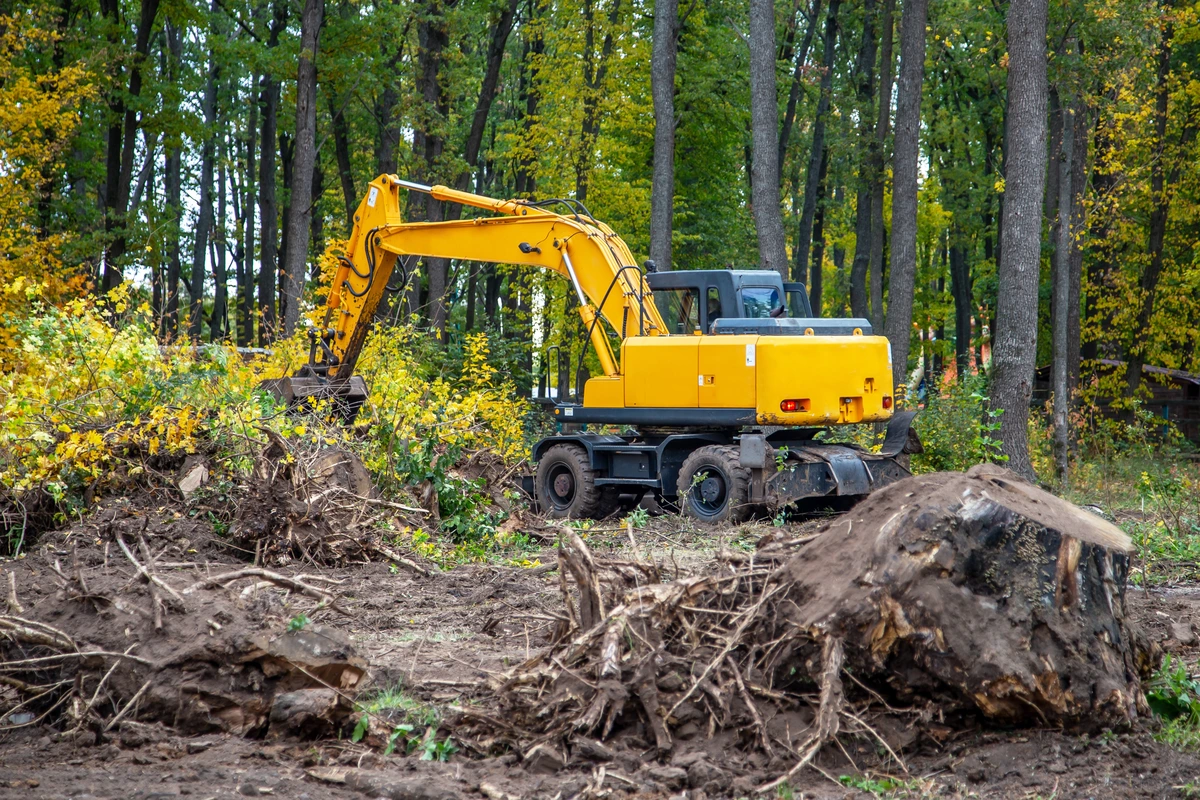
If you’ve ever looked at an overgrown block and thought, “That shouldn’t be too hard to clear,” you’re definitely not alone. Then reality arrives. Dense vegetation, hidden tree roots, council requirements, and site access issues can quickly turn a straightforward project into something far more complicated.
Whether you’re planning a new home, preparing for a subdivision, or creating usable outdoor space, Land Clearing is often the first major step. The challenge is knowing where to start and what to avoid. Many property owners underestimate the planning involved, especially in areas like Baulkham Hills where environmental considerations and local regulations can influence every stage of the process.
At Hills Arbor, we regularly help property owners prepare land safely and efficiently through our professional tree removal services. Before machinery arrives on-site, there are several important factors worth understanding. Here are seven things every property owner should know before beginning a Land Clearing project.
Why Land Clearing Matters More Than Most Property Owners Realise
Land Clearing is far more than simply removing trees and shrubs. It creates a safe, accessible, and usable foundation for future development. Whether you’re undertaking residential land clearing or planning large-scale commercial land clearing services, the quality of the clearing process can directly impact project costs, timelines, and long-term outcomes.
A poorly executed clearing job can lead to drainage issues, soil instability, unexpected environmental compliance problems, and even construction delays. By contrast, professional site clearing services help ensure your property is properly prepared from day one.
Think of it like preparing a canvas before painting. The better the preparation, the better the final result.
1. Not Every Tree Can Be Removed Without Approval
One of the biggest misconceptions about Land Clearing is that property owners can remove any vegetation located on their land. In reality, many trees and bushland areas in Baulkham Hills may be protected by local regulations.
Before starting land clearing and tree removal, it’s essential to understand whether permits or approvals are required. Significant trees, native vegetation, and environmentally sensitive areas often have specific protections attached to them.
This is where consulting a qualified arborist in Baulkham Hills can save significant time and money. Professional guidance helps identify potential restrictions before work begins, reducing the risk of fines or project delays.
For many property owners, this step alone can prevent costly mistakes that are difficult to reverse once vegetation has been removed.
2. Every Site Has Different Land Clearing Challenges
No two blocks are identical. A flat suburban lot requires a completely different approach compared to a steep acreage property covered with mature vegetation.
Several factors influence the complexity of land clearing services Baulkham Hills projects:
- Site slope and terrain conditions
- Tree density and vegetation coverage
- Accessibility for machinery
- Soil stability concerns
- Nearby structures and utilities
- Environmental protection requirements
For example, acreage land clearing often involves extensive planning due to larger vegetation volumes and access considerations. Meanwhile, construction site clearing projects may require more precise removal to preserve neighbouring trees and infrastructure.
Understanding these variables early allows contractors to develop a safer and more efficient clearing strategy.
3. Safety Risks Are Often Hidden Below the Surface
Most people focus on what they can see above ground. Experienced land clearing contractors know that hidden hazards below the surface can be equally important.
Underground utilities, old drainage systems, buried debris, unstable root systems, and soil erosion risks frequently complicate clearing projects. Removing vegetation without identifying these issues can create significant safety concerns.
Professional assessments often include inspections that identify hazards before equipment enters the site. Many property owners also benefit from specialised tree risk assessment services when mature trees are involved.
4. Environmental Regulations Play a Bigger Role Than You Think
Environmental compliance has become a major consideration for modern Land Clearing projects across New South Wales. Local councils and government agencies often require property owners to protect native vegetation, waterways, wildlife habitats, and erosion-prone areas.
If your property contains bushland or native species, bushland clearing services may require additional planning and approvals before work can commence.
For guidance on vegetation management and environmental responsibilities, property owners can review information from the NSW Environment Protection Authority.
5. Proper Planning Can Reduce Overall Project Costs
Many people assume Land Clearing costs are determined primarily by property size. While size certainly matters, planning often has an even greater impact on final pricing.
Projects that involve organised vegetation clearing services, scheduled equipment access, and staged removal processes typically run more efficiently. Poor planning, on the other hand, often leads to machinery downtime, repeated site visits, and increased labour costs.
Several factors influence pricing:
| Cost Factor | Impact on Project |
| Tree density | Higher removal volumes increase labour and equipment requirements |
| Site access | Restricted access may require specialised machinery |
| Terrain conditions | Steep sites often take longer to clear |
| Waste removal | Green waste disposal can affect costs |
| Permit requirements | Approval processes may add preparation time |
Whether you’re planning property land clearing for a new home or land clearing for development projects, investing in proper preparation usually delivers better financial outcomes.
6. Land Clearing Is Often the First Step in a Larger Property Strategy
For many owners, clearing vegetation is not the final objective. It is simply the beginning.
Residential land clearing may support landscaping improvements, home extensions, swimming pool construction, or secondary dwelling developments. Commercial land clearing services frequently prepare sites for warehouses, retail centres, roads, or industrial facilities.
This broader perspective is important because clearing decisions made today can influence future project stages. Retaining certain trees, protecting drainage pathways, and preserving soil quality may create long-term benefits.
Many property owners who engage expert planning support also combine clearing projects with ongoing expert tree care services to maintain healthy vegetation across the remaining property.
A thoughtful approach helps balance development goals with environmental and aesthetic outcomes.
7. Choosing the Right Contractor Makes a Significant Difference
The quality of your contractor can ultimately determine whether a project progresses smoothly or becomes unnecessarily stressful.
Reliable land clearing contractors typically offer:
- Clear project assessments
- Appropriate insurance coverage
- Qualified arboricultural expertise
- Modern equipment and safety systems
- Transparent communication
- Environmental compliance knowledge
When evaluating providers, ask questions about previous site clearing services, vegetation management experience, and project planning processes. A reputable contractor should be able to explain how they will approach your specific site rather than offering a generic solution.
In many cases, the cheapest quote can become the most expensive option if corners are cut or unexpected problems arise.
How Land Clearing Supports Future Development Success
One of the most overlooked aspects of Land Clearing is its direct influence on construction quality. Proper construction site clearing creates a stable and predictable environment for builders, surveyors, landscapers, and engineers.
When vegetation removal, debris management, and site preparation are completed professionally, subsequent project stages tend to proceed more efficiently. This reduces delays and creates a cleaner transition between planning and construction.
In simple terms, quality Land Clearing often sets the tone for the entire development journey.
Common Mistakes Property Owners Make During Land Clearing Projects
Even experienced property owners occasionally make avoidable mistakes. The most common issue is rushing into vegetation removal without understanding site conditions.
Another frequent mistake involves underestimating disposal requirements. Tree and vegetation removal generates significant green waste, particularly on larger properties. Without a disposal plan, costs can quickly escalate.
Finally, some owners focus entirely on short-term clearing goals while overlooking future landscaping, drainage, or development needs. A strategic approach helps ensure today’s decisions continue delivering value years later.
Conclusion
Land Clearing is one of the most important early stages of any property improvement or development project. From understanding council requirements and environmental obligations to managing safety risks and selecting experienced contractors, every decision plays a role in achieving successful outcomes. Proper planning, expert guidance, and site-specific strategies help ensure your project begins on the right foundation.
If you’re considering Land Clearing in Baulkham Hills and want professional advice tailored to your property, the team at Hills Arbor is ready to help. Contact us today to discuss your project requirements and get a free quote today. Our experienced specialists can help you navigate the process safely, efficiently, and with confidence.
Frequently Asked Questions
How long does Land Clearing usually take?
The timeframe for Land Clearing depends on site size, vegetation density, terrain conditions, and access constraints. Small residential projects may take only a day or two, while larger acreage land clearing or commercial developments can require several weeks. A site assessment provides the most accurate estimate.
Is council approval required for Land Clearing in Baulkham Hills?
In some cases, yes. Approval requirements vary depending on vegetation type, tree species, environmental protections, and local regulations. Property owners should always verify requirements before commencing work to avoid compliance issues.
What is included in professional land clearing services?
Professional land clearing services typically include vegetation removal, tree removal, debris management, site preparation, hazard identification, and environmental compliance planning. The exact scope depends on project objectives and site conditions.
Can Land Clearing improve property value?
Land Clearing can improve usability, accessibility, and development potential when performed correctly. Properties prepared for construction, landscaping, or future development often become more attractive to buyers and investors.
What is the difference between residential and commercial Land Clearing?
Residential land clearing generally focuses on homes, landscaping, and small-scale developments. Commercial land clearing services often involve larger sites, stricter compliance requirements, heavier machinery, and more complex project planning.